P.N. Das College
About
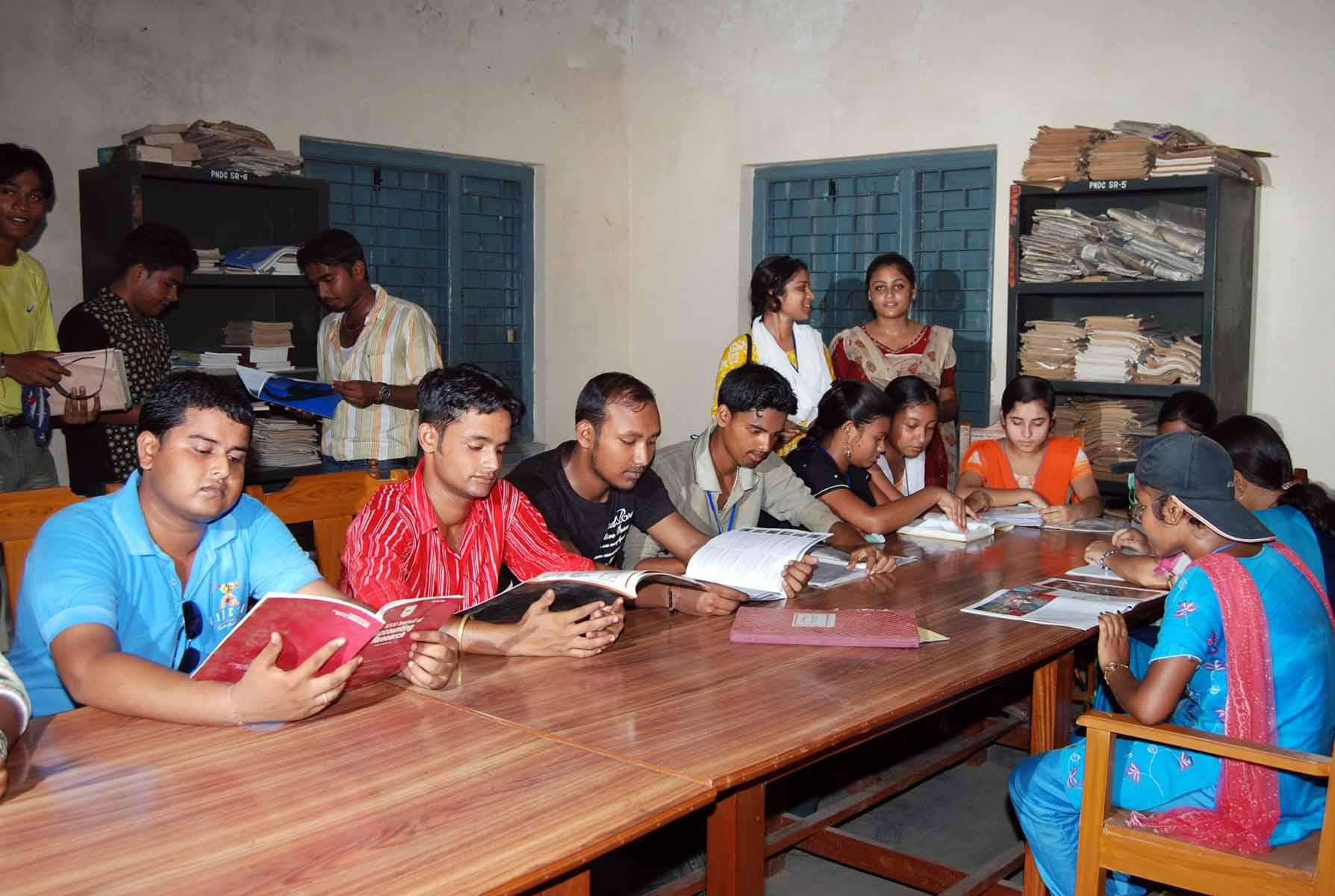
OfficialP.N. Das College is a other institution in Panagarh, established in 1962. P.N. Das College, established in 1949 in Panagarh, West Bengal, is a medium-sized private liberal arts and science institution located approximately 35 km north of Kolkata in the industrial belt of Bardhaman district. The college was founded to provide accessible quality education to students from economically modest backgrounds in West Bengal's interior regions. Named after its principal benefactor Purna Nath Das, the institution has steadily built a reputation as a reliable undergraduate college offering diverse disciplinary options across sciences, commerce, and arts. The campus occupies 12.5 acres in a semi-rural setting with reasonable connectivity to Kolkata via the NH-2 highway and local rail network. The college serves approximately 2,400 students across 40+ undergraduate and postgraduate programs, with a faculty strength of 85, including 35 PhD holders. Historically, P.N. Das has been strong in developing local talent and creating pathways for first-generation college-goers from tier-3 and tier-4 towns in Bengal and Jharkhand. The institution received NAAC accreditation (Grade B) in 2019, indicating basic compliance with academic standards, though the college does not have NBA accreditation for engineering programs. The college operates under the West Bengal University of Teachers' Training, Education Planning and Administration (WBUTTEPA) and is affiliated with multiple universities for different programs. Core academic strengths lie in undergraduate sciences (Physics, Chemistry, Biology, Mathematics), commerce (Accounting, Business Studies), and emerging areas in computer science and information technology. The college introduced its first BSc (Hons) Computer Science program in 2015, which has become increasingly popular, though lab infrastructure remains basic. Research output is modest, with occasional publications from faculty in regional and national journals, but no significant government research grants or industry-funded projects documented. Campus life is characterized by traditional organizational structures with cultural festivals, annual exhibitions, and sports days held regularly. However, extracurricular infrastructure is limited compared to metro-adjacent colleges—no dedicated incubation cell, minimal hackathons or startup culture, and limited access to technical workshops beyond curriculum. Placements have improved gradually, with 2023-24 data showing 58% placement rate overall, concentrated in IT services roles (Infosys, TCS, Capgemini) for engineering graduates and back-office finance roles for commerce graduates. Median salaries for engineering graduates hover around 4.2-4.8 LPA, significantly below tier-1 colleges and even below average for tier-2 engineering schools. Science graduates typically pursue teaching, civil service exams, or further higher education rather than direct placement-oriented roles. The college's alumni base includes several mid-level professionals in banking, education, and government, but no prominent business leaders or nationally recognized academics in recent decades. The institution's unique positioning is as an affordable, accessible option for rural and small-town students seeking conventional undergraduate education with reasonable academic rigor but without premium infrastructure or placement outcomes. The college environment is conservative, family-oriented, and discipline-focused rather than innovation-driven. Student diversity is high in terms of socioeconomic background—approximately 40% students come from Scheduled Caste/Tribe backgrounds, and significant portions hail from non-English medium schools. English language proficiency remains a challenge for a subset of students, though remedial programs exist. The college is most suitable for: (1) students from tier-3/4 towns in Bengal and Jharkhand seeking affordable undergraduate education; (2) first-generation college-goers prioritizing cost-effectiveness over brand prestige; (3) students interested in civil service exams, teaching careers, or further postgraduate studies; (4) those preferring a disciplined, traditional academic environment. The college is less suitable for: (1) students pursuing tech startup or entrepreneurship pathways; (2) those seeking intensive research-focused undergraduate education; (3) candidates targeting premium campus placements in elite tech companies; (4) international students or those requiring diverse cosmopolitan environment. The college's infrastructure has gradually improved—a new science block was added in 2020, and Wi-Fi coverage expanded in 2022—but remains utilitarian. Hostel facilities exist for ~180 students with basic amenities. Library resources are adequate for undergraduate coursework but lack journal access and modern digital repositories. The city of Panagarh itself is industrial and underdeveloped as a student destination, with limited recreational options, modest food culture, and minimal nightlife. However, proximity to Kolkata (1.5-2 hours by road) allows weekend access to metro amenities for interested students.