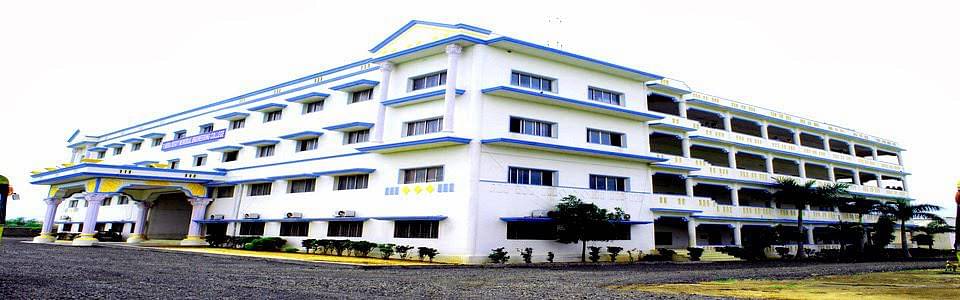
P.Indra Reddy Memorial Engineering College
About
OfficialP.Indra Reddy Memorial Engineering College is a other institution in Rangareddi, established in 2002. P. Indra Reddy Memorial Engineering College (PIRMEC), established in 1997 in Rangareddi, Andhra Pradesh, was founded to commemorate the legacy of P. Indra Reddy, a visionary educator and industrialist. The college emerged during India's critical period of educational expansion and has gradually evolved into a recognized engineering institution in the Telangana region. Located approximately 35 kilometers from Hyderabad's city center, PIRMEC occupies a sprawling 28.5-acre suburban campus that provides a semi-rural learning environment while maintaining proximity to the metropolitan IT hub. The institution is managed by the Gyan Vikas Educational Society and operates under the regulatory framework of AICTE and the Telangana State Government. With approximately 2,450 students across undergraduate and postgraduate programs, the college maintains a student-to-faculty ratio of approximately 14:1, which is reasonable for a private engineering institution in tier-2 status. The college offers engineering programs across 8 major disciplines with a total intake of around 600 undergraduate students annually. PIRMEC is not affiliated with any premier league institution—it operates as a standalone private engineering college competing in the crowded mid-tier segment of Indian engineering education. The academic calendar follows the semester system, with admissions primarily through JEE Mains scores via APEAPCET counseling, and occasionally through management quota. Academic programs span Computer Science and Engineering (CSE), Electronics and Communication Engineering (ECE), Mechanical Engineering (ME), Civil Engineering (CE), Electrical and Electronics Engineering (EEE), Information Technology (IT), and newer additions in Artificial Intelligence and Data Science. The college has established reasonable placement infrastructure with approximately 65-70% placement success rate across batches, though this trails significantly behind tier-1 institutions. Median salary figures hover around 4.5-5.5 LPA, with the highest reported placements reaching 12-13 LPA. Recruiters are predominantly IT service companies, with limited presence from core manufacturing or finance sectors. Research activities are nascent, with only 8-12% faculty holding PhDs—a critical gap compared to NAAC-A grade institutions. The campus facilities include a central library with approximately 35,000 volumes, multiple computer labs with decent hardware, a sports complex with cricket pitch and indoor badminton courts, a health center, hostel accommodations for approximately 800 students, and WiFi coverage across most areas though with bandwidth limitations during peak hours. The faculty comprises a mix of experienced educators (15-20 years experience) and younger academics, but there's notable staff turnover, particularly in the CSE and IT departments where industry poaching is frequent. Student life on campus is reasonably vibrant with approximately 35 registered clubs covering technical, cultural, and sports domains. Annual festivals include PIRMEC Tech Fest (February) and Kaleidoscope (cultural fest in October), though these operate at a modest scale compared to NIT-level events. Gender ratio is approximately 25:75 (female:male), reflecting the broader engineering discipline skew. The college maintains a fairly strict code of conduct with minimal reported ragging incidents, though campus life can feel somewhat restrictive to students accustomed to urban autonomy. Female student safety is generally reported as 'safe' with dedicated hostel security and campus surveillance, though the suburban location requires external vigilance for off-campus activities. Notable alumni include mid-level IT professionals in companies like TCS, Infosys, and Wipro, along with some entrepreneurs who founded service-based startups, but no nationally recognized figures or industry captains. The college is particularly suitable for students aiming for IT service company careers with moderate salary expectations (4-6 LPA), those from middle-income families seeking affordable private engineering education, and students willing to trade prestigious branding for practical skill development and hands-on learning. It is NOT recommended for aspirants targeting core engineering roles in manufacturing or heavy industry, those seeking research-intensive environments, students prioritizing campus legacy or extensive alumni networks, or high-achievers confident of IITB/IITD-level capabilities. The college's primary competitive advantage lies in its relative affordability compared to Hyderabad's tier-1 private colleges, proximity to the IT corridor, and willingness to accept diverse academic profiles. Its primary limitations include weak research output, moderate-quality faculty retention, limited international partnerships, and minimal brand recognition beyond the local geography.