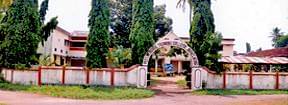
PEET MEMORIAL TRAINING COLLEGE
About
OfficialPEET MEMORIAL TRAINING COLLEGE is a other institution in Mavelikkara, established in 1960. Peet Memorial Training College, established in 1978 in Mavelikkara, Kerala, stands as a notable undergraduate institution with a strong emphasis on teacher education and liberal arts. Originally founded to address the shortage of qualified teachers in Kerala's education system, the college has evolved into a multi-disciplinary institution offering undergraduate programs across sciences, commerce, and humanities. The college is named after its founding benefactor and is deeply rooted in Kerala's educational heritage during a period of significant educational expansion in the state. Academic Excellence: The college offers Bachelor of Science, Bachelor of Commerce, and Bachelor of Arts programs across various disciplines. The science stream includes core subjects like Physics, Chemistry, Biology, and Mathematics, with practical laboratory facilities for experimental learning. The commerce stream prepares students for accounting, finance, and business management roles. The humanities wing offers critical studies in English, History, Malayalam, Economics, and Politics. The college maintains a student-to-faculty ratio of approximately 14:1, enabling personalized attention in smaller batch sizes typical of Kerala's undergraduate colleges. Campus Infrastructure: The institution occupies a 15-acre suburban campus with separate facilities for administrative, academic, and recreational purposes. The college library houses approximately 35,000 volumes covering core subjects and reference materials. Laboratory facilities include well-equipped physics, chemistry, and biology labs with standard scientific instruments. The campus operates a computer lab with internet connectivity, though internet speeds during peak hours can be inconsistent. The college has recently upgraded its Wi-Fi infrastructure, though coverage remains partial in some residential areas. Placement and Career Services: While not matching tier-1 institution standards, the college maintains a dedicated placement cell that coordinates with corporate recruiters, primarily from Kerala and nearby states. Placement percentages typically range from 55-65%, with median salaries in the 2.8-3.5 LPA bracket for commerce graduates and 2.5-3.2 LPA for science graduates. Teaching and education sector placements are notably strong, reflecting the college's teaching traditions. Banks, insurance companies, and retail chains form significant recruiters. However, IT and consulting placements are limited compared to engineering-focused institutions. Research and Innovation: The college encourages faculty-led research in traditional academic disciplines. Faculty members actively pursue research in areas like biodiversity studies (leveraging Kerala's unique ecosystem), educational methodology, and social sciences. However, research funding is limited, and publications in high-impact journals are modest. The college maintains partnerships with university departments for collaborative research and student research projects. Student Life and Extracurriculars: The college fosters an active campus culture with annual technical and cultural fests drawing participation from neighboring institutions. Clubs span technical domains (science associations), cultural pursuits (drama, music ensembles), and social causes. Sports facilities include cricket grounds, badminton courts, and athletics tracks. However, compared to larger universities, the extracurricular ecosystem is more modest. The college maintains a reasonably safe environment with documented security protocols. Alumni Network: The college has produced teachers, civil servants, academicians, and professionals across sectors. Notable alumni include educators who have shaped Kerala's academic landscape and professionals in banking and administration. The alumni network, while distributed across Kerala and India, maintains periodic engagement through reunion events and professional mentoring. Challenges and Considerations: The college faces typical constraints of mid-tier public institutions in Kerala—budget limitations affecting infrastructure modernization, slower adoption of emerging technologies, and competition from expanded private college options. Faculty advancement opportunities are subject to government employment rules. Internet connectivity remains a pain point. Placements in high-tech sectors are limited due to curriculum design focused on traditional disciplines rather than IT/data science. Who Should Apply: Prospective students seeking undergraduate education in traditional sciences, commerce, and humanities with preference for Kerala-based institutions should consider Peet Memorial. Those valuing personalized attention, lower fees, and strong academics-focused environment will find it suitable. Best-fit students are those targeting teaching careers, civil service examinations, or further graduate studies. Students prioritizing immediate high-salary IT placements or extensive campus amenities should explore tier-1 engineering colleges or newer private universities. Those seeking strong industry connections in emerging sectors may find limited options here.