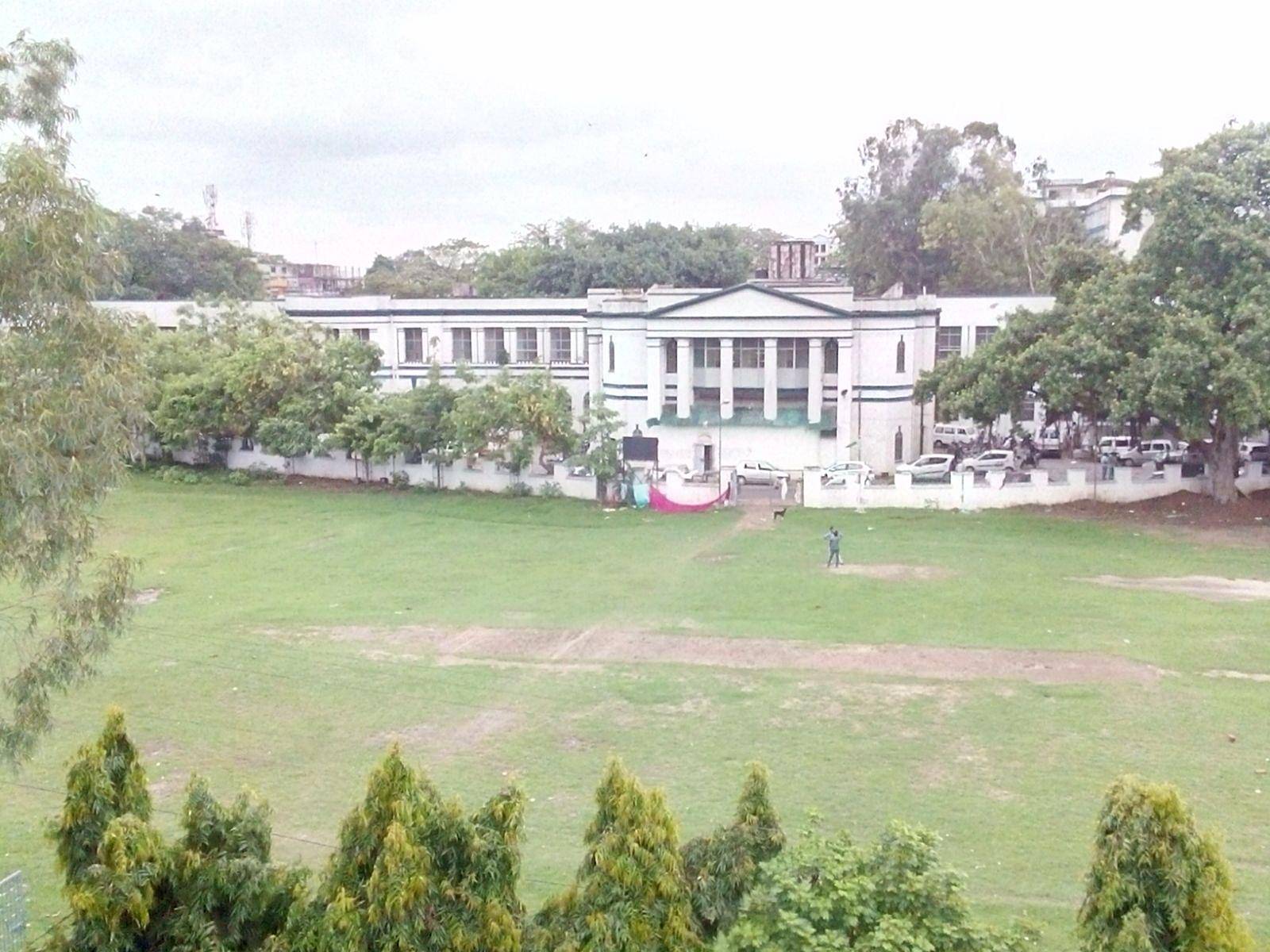
PMCH Patna
About
OfficialPMCH Patna is a other institution in Patna. Patna Medical College and Hospital (PMCH), established in 1925, is one of India's oldest medical institutions and the second oldest medical college in India after the Government Medical College Kolkata. Located in the heart of Patna on the historic Ashok Rajpath, PMCH has served as a beacon of medical education and healthcare for nearly a century. The institution was founded during the British colonial period and has since evolved into a premier government medical college with significant influence on healthcare delivery in Eastern India. The college's founding legacy is deeply intertwined with India's medical history. During its initial years, PMCH established itself as a center of excellence for medical training, clinical practice, and research. The institution played a crucial role in training physicians who contributed to India's healthcare infrastructure post-independence. Over the decades, PMCH has maintained its commitment to providing quality medical education while serving the patient population through its attached Patna Medical College and Hospital. Academic Programs and Structure: PMCH offers comprehensive undergraduate and postgraduate medical education. The undergraduate MBBS program spans 5.5 years (5 years of academics plus 1 year of internship) with an annual intake of 150 students under the general quota. The curriculum is designed to produce clinically competent doctors with strong theoretical foundations and practical skills. Postgraduate programs include MD (Doctor of Medicine) and MS (Master of Surgery) across multiple specialties including Internal Medicine, Surgery, Pediatrics, Obstetrics and Gynecology, Psychiatry, Pathology, Microbiology, Anatomy, and Physiology. Additionally, the college offers Diploma courses in various medical specialties for students who prefer shorter duration programs. Research and Academic Strengths: PMCH has established itself as a research-oriented institution with several research centers and laboratories. The institution has produced significant contributions in areas like infectious disease management, clinical microbiology, and tropical medicine—fields particularly relevant to Eastern India's health challenges. Faculty members actively engage in research projects funded by organizations like ICMR (Indian Council of Medical Research) and CSIR. The college has published numerous peer-reviewed papers in national and international journals, contributing to medical knowledge in areas like antimicrobial resistance, infectious diseases, and clinical epidemiology. Clinical Training and Hospital Facilities: The attached teaching hospital serves as the primary clinical training ground for medical students. With over 900 beds, the hospital handles thousands of outpatient cases daily and provides exposure to diverse patient demographics and disease patterns. Students gain hands-on experience in emergency departments, general wards, specialized units, and operation theaters. The hospital serves both as a teaching facility and a major tertiary care center for the region, treating patients from Bihar and neighboring states. This dual role ensures students encounter a wide spectrum of clinical cases and learn to manage complex medical situations. Campus Life and Student Experience: The PMCH campus, though located in urban Patna, maintains a distinctly academic atmosphere with hostel facilities for both male and female students. Hostels provide accommodation to approximately 60-70% of the student body, with many local students commuting daily. The campus has a library with an extensive collection of medical textbooks, journals, and digital resources. Student organizations include the Medical Society, which organizes seminars, journal clubs, and case discussions. Annual cultural fests and sports events provide outlets for recreation, though these are relatively understated compared to engineering colleges due to the demanding nature of medical education. Placement and Career Outcomes: PMCH graduates pursue diverse career paths. While "placement" in the traditional sense doesn't apply to medical graduates (as they enter professional practice), post-graduation outcomes are significant. MBBS graduates primarily establish private practices, work in government hospitals through NEET-PG based competitive selection, or pursue further specialization. Approximately 40-45% of graduates pursue postgraduate medical education through NEET-PG, while others enter government service, work in private hospitals, or establish independent practice. Some pursue medical research or academic careers. The college has a dedicated placement and career guidance cell that helps graduates explore opportunities in clinical practice, public health, and medical research. Notable Alumni: PMCH has produced several nationally and internationally recognized medical professionals. Dr. Rajendra Prasad, India's first President, was associated with the institution's establishment period. More recent alumni include prominent surgeons, physicians, and medical administrators who lead major hospitals and medical institutions across India. Many PMCH graduates hold leadership positions in government health departments, private healthcare chains, and international medical organizations. Unique Characteristics: What sets PMCH apart is its century-old legacy combined with its role as a government institution deeply embedded in Eastern India's healthcare system. The college offers authentic clinical exposure in a high-volume teaching hospital setting, allowing students to develop practical skills rapidly. Being a government institution, the fee structure is significantly lower than private medical colleges, making quality medical education accessible to students from diverse socioeconomic backgrounds. The institution's focus on teaching and clinical practice rather than corporate orientation appeals to students seeking a traditional medical education pathway. Challenges and Honest Assessment: Like many government medical colleges in tier-2 cities, PMCH faces infrastructure constraints. Hostel facilities, while functional, are basic and somewhat aged. Internet connectivity on campus is inconsistent. The city of Patna, though historically significant, lacks the cosmopolitan amenities of metro cities, which may be challenging for students accustomed to urban lifestyles. The pace of academic reforms and digitalization lags behind private institutions. Research funding, while available, is limited compared to top-tier institutions. The college's focus on clinical work sometimes means less emphasis on research and innovation compared to metropolitan medical institutions. Who Should Apply: PMCH is ideal for students with a genuine passion for medical practice and clinical work, particularly those from Bihar and Eastern India who wish to contribute to regional healthcare. It suits students seeking government medical education with lower fees and strong clinical exposure. Students comfortable in a less modernized but clinically rich environment, with genuine commitment to medical profession rather than lifestyle expectations, would thrive here. This college is not recommended for those prioritizing cosmopolitan campus life, cutting-edge research facilities, or international exposure over practical clinical training.