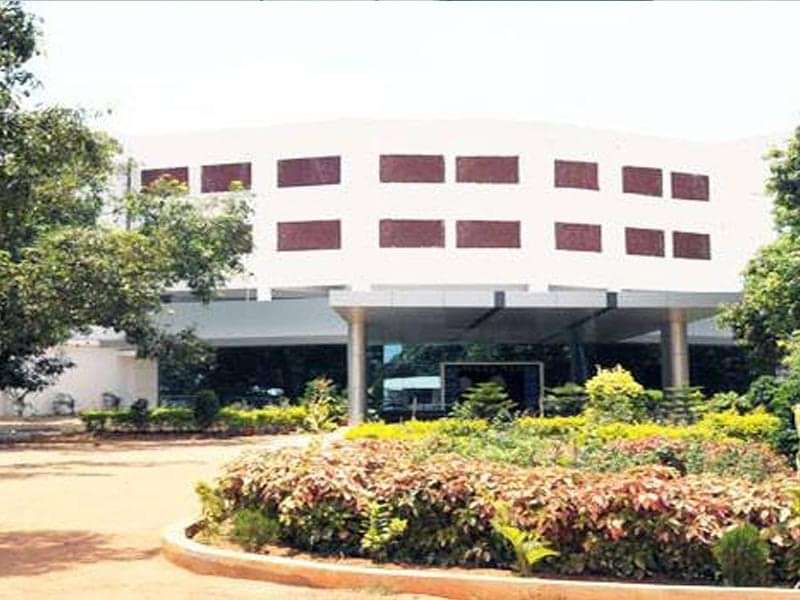
Paladugu Parvathi Devi College of Engineering and Technology
About
OfficialPaladugu Parvathi Devi College of Engineering and Technology is a other institution in Vijayawada, established in 2008. Paladugu Parvathi Devi College of Engineering and Technology (PPDCET) is a private engineering institution located in Kanuru, Vijayawada, Andhra Pradesh. Established in 2000, the college was founded by the Paladugu Educational Society with a vision to provide quality technical education to students from the region and beyond. Named after Paladugu Parvathi Devi, a philanthropist, the institution has grown to become one of Andhra Pradesh's recognized engineering colleges, offering multiple engineering disciplines and supporting research initiatives. The college is situated approximately 15 km from Vijayawada city center on the National Highway-5, providing reasonable accessibility while maintaining a relatively peaceful campus environment away from the urban hustle. The institution is affiliated with Jawaharlal Nehru Technological University, Kakinada (JNTU-K), and operates under AICTE approval, offering 4-year undergraduate and 2-year postgraduate programs in engineering. PPDCET's academic programs span core engineering disciplines including Civil Engineering, Mechanical Engineering, Electrical and Electronics Engineering, Electronics and Communication Engineering, Computer Science and Engineering, Information Technology, and specialized programs like Artificial Intelligence and Data Science. The college maintains NAAC accreditation and has been pursuing NBA accreditation for its engineering programs, reflecting its commitment to quality assurance. The faculty comprises engineers and academics with industry experience and academic credentials, though the college faces typical challenges of private institutions in retaining top talent due to competitive salaries in the IT sector. The college emphasizes industry collaboration and has partnerships with organizations like Infosys, TCS, and other technology firms for student training and recruitment. Research at PPDCET is modest but growing, with faculty actively engaged in civil engineering infrastructure projects, renewable energy systems, and IoT applications. The campus infrastructure includes modern laboratory facilities, computer centers with licensed software, and libraries with digital resources. However, the college's ranking in national surveys places it in the middle tier of engineering colleges in Andhra Pradesh, behind NIT Rourkela, IIT Bombay, and ahead of many government polytechnics but below top-tier private institutions. Student placements have improved consistently over the past five years, with approximately 85-90% of students securing job offers during recruitment drives. The average starting salary for engineering graduates hovers around 3.5-4.5 lakhs annually, with IT roles commanding higher packages than mechanical or civil roles. Notable alumni include professionals in IT companies, banking sector, and government organizations, though the college has yet to produce widely recognized industry leaders at the national level. The institution actively conducts workshops, seminars, and guest lectures by industry experts and maintains a placement cell that coordinates campus recruitment. PPDCET is particularly suitable for students seeking quality engineering education in Andhra Pradesh without the pressure of ultra-competitive entrance exams, though admission is merit-based through JEE Main scores or state-level entrance examinations. The college caters to students from Andhra Pradesh, Telangana, and neighboring states, with a diverse student body. For students not meeting top-tier college cutoffs but aiming for solid engineering education with decent placements, PPDCET offers a reasonable middle-ground option. The college's suburban location near Vijayawada provides exposure to a growing IT hub while maintaining a focused academic environment. However, prospective students should be aware that the college's brand value is primarily regional rather than national, and students aspiring for top multinational companies or research positions might find limited opportunities compared to premier institutions. The institution continuously upgrades its curriculum to align with industry demands, particularly in emerging technologies like AI, machine learning, and blockchain, reflecting responsiveness to market needs.