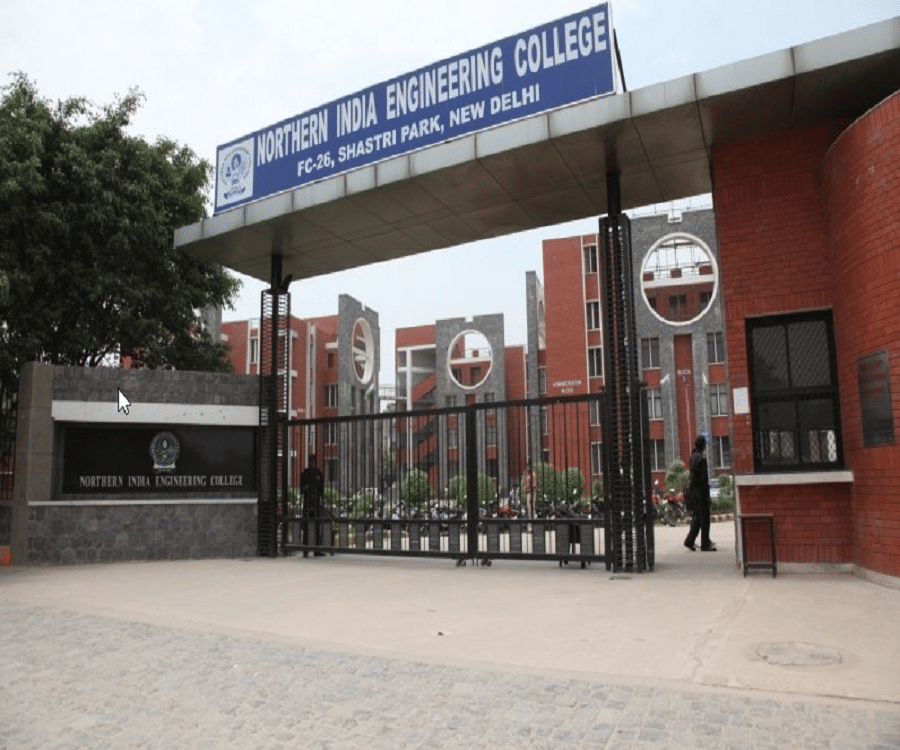
Northern India Engineering College
About
OfficialNorthern India Engineering College is a other institution in New Delhi, established in 2003. Northern India Engineering College (NIEC) was established in 2001 as a private engineering institution in the Rohini area of New Delhi. Over two decades, it has evolved into a mid-tier engineering college catering primarily to students from Northern India, with a focus on undergraduate engineering programs and emerging postgraduate offerings. The college operates under the affiliation of Delhi University and is recognized by AICTE, positioning itself as an accessible alternative to top-tier government institutions while maintaining reasonable academic standards. NIEC offers eight primary undergraduate engineering disciplines: Computer Science & Engineering (CSE), Electronics & Communication Engineering (ECE), Mechanical Engineering (ME), Civil Engineering (CE), Electrical Engineering (EE), Information Technology (IT), Biotechnology (BT), and a newer program in Artificial Intelligence & Machine Learning (AIML). The college also offers postgraduate programs in CSE and ME with specializations in emerging technologies. The campus is situated in Rohini, a developed residential-commercial area of Delhi, approximately 25km from the city center, providing a relatively quieter academic environment compared to central Delhi while maintaining easy connectivity via Delhi Metro (proximity to Rohini West Metro Station). The institution has gradually expanded its infrastructure with computer labs, digital libraries, and research facilities, though physical infrastructure remains functional rather than world-class. NIEC's academic approach emphasizes industry-relevant curriculum with periodic updates to engineering programs to include emerging domains like IoT, cloud computing, and renewable energy. The college has partnerships with several mid-tier IT companies and core sector organizations for student internships and placements. Research activities are modest, concentrated in areas like embedded systems, renewable energy, structural engineering, and biotechnology applications, with faculty encouraged to pursue AICTE-funded research projects. The placement record shows approximately 72-78% average placement across branches, with CSE and IT achieving higher placement percentages (85-90%) compared to core engineering branches like Civil Engineering (55-65%). Top recruiters include companies like TCS, Wipro, HCL, Infosys, Tech Mahindra, and emerging startups, though placement packages average around 4-5.5 LPA with median salaries in the 4-5 LPA range, significantly lower than top-tier institutions. The college maintains an active campus life with technical clubs focused on robotics, coding, and innovation, cultural societies supporting various regional and national traditions, and sports facilities including cricket, badminton, and basketball courts. However, the college faces challenges common to private engineering institutions: limited research infrastructure compared to NIT/IIT standards, relatively high fee structure (approximately 8-9 LPA total for 4-year programs), moderate alumni network strength, and competition from both superior government institutions and prestigious private universities in Delhi. Student feedback indicates strong academic rigor in core subjects and good faculty accessibility, but concerns about infrastructure limitations, limited campus amenities compared to premium private institutions, and the challenging placement scenario for non-CSE/IT branches. The college is most suitable for students scoring 75-85 percentile in JEE Main who prioritize engineering education in Delhi with reasonable fees over brand prestige, students from lower-middle-class backgrounds seeking AICTE-recognized engineering degrees, and those interested in core engineering with plans for further education or PSU recruitment. The institution's strength lies in its focused engineering curriculum, location in India's capital with diverse internship opportunities, and reasonable fees compared to top private universities, making it a practical choice for academically average to above-average students seeking engineering degrees without premium price tags. However, students should manage expectations regarding placements, research opportunities, and campus infrastructure relative to government engineering colleges.