Nimra Institute of Science and Technology
About
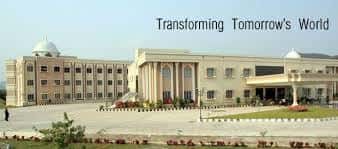
OfficialNimra Institute of Science and Technology is a other institution in Krishna, established in 2006. Nimra Institute of Science and Technology (NIST) was established in 2008 in Krishna District, Andhra Pradesh, emerging as a mid-tier private engineering and science institution in the Coastal Andhra region. Founded with the mission to blend quality technical education with hands-on industry exposure, NIST has gradually built a reputation as a reliable feeder institution for tier-2 IT companies and core engineering sectors. The institute operates from a 25-acre suburban campus located approximately 12km from Machilipatnam city center, offering a relatively peaceful academic environment while maintaining reasonable proximity to urban amenities. NIST is affiliated with Jawaharlal Nehru Technological University (JNTU), Kakinada, and follows the AP engineering curriculum aligned with AICTE guidelines. The institute offers undergraduate engineering programs across 7 specializations, integrated 5-year B.Tech-M.Tech programs in select branches, and postgraduate Master's programs in Engineering. Research infrastructure includes basic laboratories for Electronics, Mechanical, Civil, and Computer Science disciplines, though research output remains modest compared to NIT-tier institutions. The campus houses a central library with approximately 15,000 volumes, computing labs with 300+ workstations, and dedicated placement training facilities. NIST has gradually improved its placement ecosystem, with consistent placement rates around 75-80% in recent years, primarily driven by IT service companies like Infosys, TCS, Wipro, and HCL, along with some core manufacturing and finance sector recruitments. Student intake across all engineering programs is approximately 850 per year at the undergraduate level. The institute maintains separate hostel facilities for male and female students, with total residential capacity for about 1,200 students. Campus life is characterized by active technical clubs (coding, robotics, IoT), regular department-level technical symposiums, and participation in national engineering competitions. The student body predominantly comprises middle-class families from Andhra Pradesh and Telangana, with limited diversity from pan-India admissions. NIST's strengths include reasonable infrastructure for a private Tier-2 institution, stable placement numbers in IT services, and a relatively affordable fee structure compared to metropolitan private colleges. Significant limitations include: limited research output and PhD opportunities, modest faculty publication record, below-par industry-academia collaborations, infrastructure that feels dated for emerging technologies like AI/ML, hostel conditions that require maintenance, weak alumni network compared to older institutions, and geographic remoteness from major tech hubs affecting internship opportunities and campus recruitment patterns. The institution is best suited for students seeking affordable engineering education in Andhra Pradesh with realistic expectations of IT service roles or core sector placements, rather than aspiring entrepreneurs or researchers. Students from middle-income backgrounds seeking to balance education quality with affordability, and those comfortable with a suburban campus culture, would find NIST appropriate. The college is unsuitable for students targeting product companies, startups, or specialized research roles, or those requiring cosmopolitan city life during undergraduate years. Notable alumni include engineers at major IT service companies, some working abroad in Gulf countries and Southeast Asia, though a distinguished alumni network comparable to older established institutions has not yet formed.