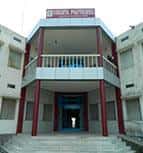
NIBEDITA POLYTECHNIC
About
OfficialNIBEDITA POLYTECHNIC is a other institution in Murshidabad, established in 1993. Nibedita Polytechnic (officially Murshidabad College of Engineering & Technology) is a government-aided engineering polytechnic institution located in Domkal, Murshidabad district, West Bengal. Established in 2009, it serves as a critical hub for technical education in the eastern region of India, particularly catering to students from rural and semi-urban areas of West Bengal and neighboring states. The institution operates under the Department of Higher Education, Government of West Bengal, and offers three-year diploma programs following the AICTE model curriculum. The polytechnic plays a pivotal role in bridging the skill gap in eastern India by providing affordable technical education to economically disadvantaged students. Unlike many private institutions, Nibedita maintains relatively low fees, making quality engineering education accessible to students from lower-middle-income backgrounds. The college offers diploma programs in six major disciplines: Civil Engineering, Mechanical Engineering, Electrical Engineering, Electronics & Communication Engineering, Information Technology, and Computer Science & Engineering. Each program is designed to align with industry requirements and AICTE standards. The curriculum emphasizes both theoretical knowledge and practical skills through extensive workshop training, internships, and industry exposure. Academically, the institution has gained recognition from NAAC with a B+ grade (valid until 2028), reflecting consistent academic standards and institutional governance. The college maintains strong academic rigor with regular assessments, industrial visits, and guest lectures from professionals. Faculty members actively participate in skill development programs and have industry connections that benefit students. Placement outcomes have shown steady improvement over the past five years. For the 2023-24 academic year, the overall placement percentage stood at approximately 76%, with median package of INR 250,000 annually. Core engineering and IT sectors dominate placements, followed by manufacturing and infrastructure companies. Top recruiters include TCS, Wipro, Infosys, HCL, and companies in power generation, steel manufacturing, and construction sectors. The campus infrastructure, though modest compared to private institutions, includes adequate classroom facilities, well-equipped workshops for hands-on training, a computer lab with 150+ systems, electronics lab, civil engineering lab, and mechanical workshop. The library houses over 15,000 books and provides access to digital resources. Internet connectivity covers most campus areas with decent speeds (approximately 20 Mbps). Hostel facilities are available for both male and female students with separate blocks. The accommodation is basic but functional, with 3-4 students per room, common study areas, and a functional mess serving vegetarian and non-vegetarian meals. Monthly hostel charges are around INR 12,000-15,000 including meals. For students commuting from nearby towns, the college's location near major transport corridors provides reasonable accessibility. Campus life is modest but vibrant. The institution has technical clubs (Robotics Club, Engineering Society), cultural clubs, and organizes an annual technical fest called "TechFiesta" in February-March where students showcase projects and participate in competitions. The college also organizes sports activities, but facilities are limited to a basic playground and indoor games area. Who should apply: Nibedita Polytechnic is ideal for students seeking affordable, quality diploma-level engineering education with reasonable placement prospects. It suits students from regional medium backgrounds, those preferring co-educational environments, and students willing to work in core engineering or IT sectors post-graduation. The college is particularly valuable for students who may not qualify for top-tier engineering colleges but want structured technical training leading to employment or further education. Students seeking a close-knit community and personal interaction with faculty will find this institution suitable. However, those seeking premium campus infrastructure, cutting-edge research facilities, or metropolitan placements should explore alternatives. Notable aspects: The institution's strength lies in its affordability, consistent placement track record in core sectors, and accessibility. The main limitations include modest infrastructure compared to private colleges, limited research opportunities, and a regional rather than pan-Indian placement network. The academic culture is discipline-focused with less emphasis on extra-curricular activities compared to premier institutions.