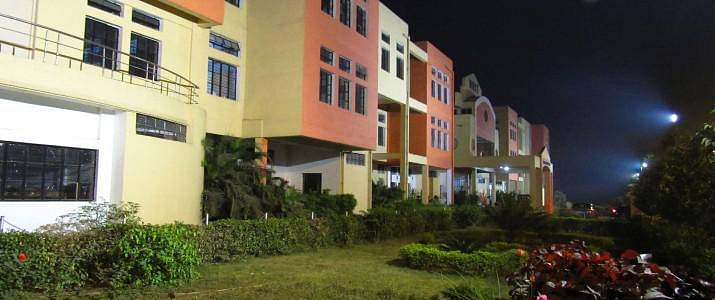
The New Horizons Institute of Technology
About
OfficialThe New Horizons Institute of Technology is a other institution in Durgapur, established in 1993. The New Horizons Institute of Technology (NHIT) was established in 2008 as a private engineering college in Durgapur, West Bengal, a city historically known as an industrial hub. Situated approximately 220 km northwest of Kolkata in the Burdwan district, NHIT has evolved from a modest institution into a mid-tier engineering college serving around 2,850 students across undergraduate, postgraduate, and diploma programs. The college operates under the Hijli Education Society and is affiliated with Maulana Abul Kalam Azad University of Technology (MAKAUT), West Bengal's technical university. Academic Programs: NHIT offers 8 undergraduate BTech programs (Computer Science & Engineering, Electronics & Communication Engineering, Electrical Engineering, Mechanical Engineering, Civil Engineering, Information Technology, Chemical Engineering, and Electronics & Instrumentation Engineering) with an annual intake of approximately 480 students. The college also offers 6 MTech postgraduate programs (Computer Science, Power Systems, Thermal Engineering, Structural Engineering, VLSI Design, and Renewable Energy) with a combined intake of around 90 students. Additionally, diploma programs in 4 disciplines serve vocational aspirants with 120 seats annually. Research & Innovation: The college has established research centers in advanced materials, renewable energy systems, IoT applications, and computational modeling. Faculty research output remains modest but growing, with approximately 35% of faculty holding PhDs. Industry partnerships exist with companies like Tata Steel, Bharat Petroleum, and several power generation units located nearby. However, research publication count in high-impact journals remains limited, with most output appearing in regional and national conference proceedings. Placement Record: NHIT reports 82-85% placement rates for engineering undergraduates, with median salaries ranging from 4.2-5.8 LPA depending on branch. Computer Science and IT branches consistently achieve 95%+ placements, while core engineering branches (Civil, Mechanical) average 65-72%. Top recruiters include TCS, Cognizant, Infosys, HCL, IIFC, power companies, and infrastructure firms. However, placement numbers plateau after initial mass recruitment; many students secure positions in 6-12 months post-graduation. Off-campus placements through individual effort are common and not always reflected in official statistics. Campus Infrastructure: The 28-acre suburban campus features separate hostels for boys and girls, a central library with 45,000+ books and digital access, multiple research labs, a sports complex with cricket grounds and badminton courts, a health center, and reliable WiFi across campus. Hostel facilities are functional but aging in some blocks, with rooms typically accommodating 2-3 students. Mess food quality is inconsistent; many students prefer eating out in nearby local markets. The campus lacks a swimming pool and auditorium facilities are basic. Campus Life & Culture: Student life at NHIT is moderately vibrant. The college conducts an annual techno-cultural festival (Horizon Fest) in November attracting participation from neighboring colleges. Technical clubs focus on coding, robotics, and web development, while cultural societies organize events regularly. However, social life is limited compared to larger institutional hubs; most students cite limited entertainment options in the surrounding area. Gender ratio is approximately 70:30 (male:female), which limits social dynamics for women students. Ragging incidents have been minimal, though isolated cases of academic pressure and verbal bullying have been reported in hostel settings. City & Location: Durgapur is a tier-3 industrial city with limited cosmopolitan appeal. The city offers affordable living costs but lacks the vibrancy of metro centers. The nearest major airport (Kolkata, 220 km) and railway station (Durgapur Railway Station, 12 km away) provide connectivity. Local transport relies on buses, auto-rickshaws, and personal vehicles; no metro exists. The city experiences a semi-humid subtropical climate with hot summers (April-June: 28-38°C), moderate winters (December-February: 8-20°C), and significant monsoon activity (July-September). Most students find Durgapur monotonous and lacking in student-centric infrastructure; many prefer commuting from nearby Kolkata (3-hour journey) despite additional costs. Placement Challenges: While headline placement percentages appear reasonable, the quality and sustainability of placements merit scrutiny. Many positions are in call centers or BPO roles with modest pay (3-4 LPA). Core engineering and PSU placements remain competitive, with limited avenues for non-CS branches. The college lacks strong alumni networks in tech hubs, limiting opportunities in top startups or premier product companies. Graduate salaries for MTech programs average 6-7 LPA, with placement rates around 60-70%. Notable Strengths: NHIT's proximity to industrial zones (Durgapur Steel Plant, power generation facilities) creates internship and project opportunities. Relatively affordable fees compared to metro colleges. Individual faculty members in specialized areas (IoT, renewable energy) provide strong mentorship. Liberal hostel policies and student autonomy in organizing activities. Notable Weaknesses: Limited brand recognition outside West Bengal, particularly in metros like Bangalore, Chennai, or Pune where majority of tech jobs concentrate. Lack of strong industry-academia collaboration at scale. Student body lacks diversity; primarily draws from Bengali-medium schools. Infrastructure aging in some areas (hostels, mess facilities). Library resources limited for advanced research. Faculty turnover and limited external speaker programs. Who Should Apply: NHIT is suitable for students seeking affordable engineering education in a calm, non-metro setting with reasonable placement prospects in tier-2/3 companies. Ideal for: (1) Students from tier-2/3 cities unwilling to relocate immediately; (2) Those prioritizing cost-effective education over brand prestige; (3) Aspirants interested in core engineering, power systems, or manufacturing sectors aligned with regional industry; (4) Students valuing individual attention and smaller batch sizes (compared to mega colleges); (5) Candidates with tier-2 merit profiles (JEE Main rank 80,000-150,000) seeking engineering degrees from accredited institutions. Who Should Reconsider: Students with top-tier JEE Main ranks (under 50,000) have superior alternatives (NITs, top private colleges). Aspirants targeting product companies, AI/ML startups, or finance roles should explore metros-based institutions. Students prioritizing campus life, clubs, and social opportunities may find Durgapur limiting. Those unable to adapt to local language/culture (Bengali-predominant region) may face integration challenges. Conclusion: NHIT serves as a pragmatic, affordable option for engineering education with modest but functional infrastructure, reasonable placements in mainstream IT/core sectors, and a quieter campus environment conducive to focused study. However, limitations in brand value, research output, and placement quality necessitate realistic expectations. Success at NHIT depends heavily on individual initiative, skill development, and networking efforts beyond campus.