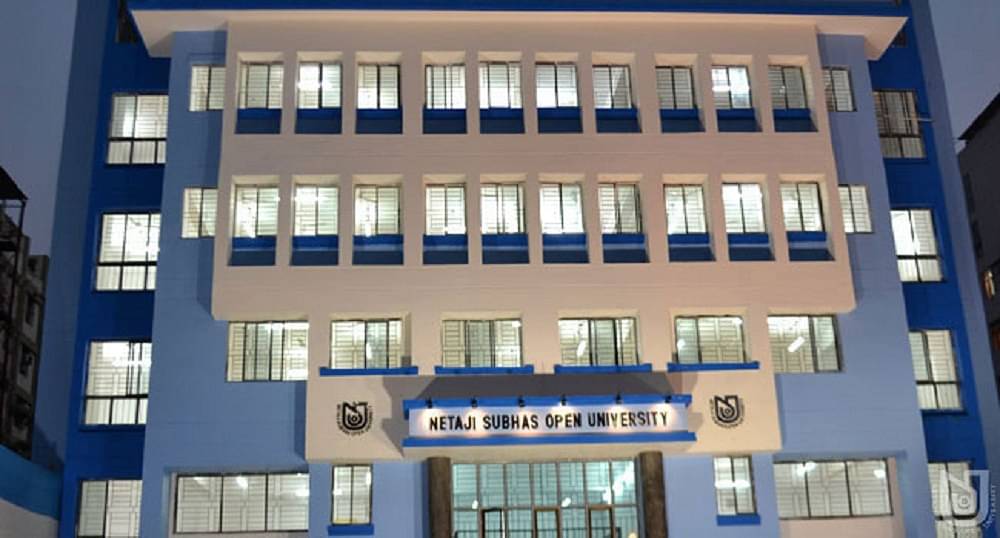
Netaji Subhash Institute of Computer Science
About
OfficialNetaji Subhash Institute of Computer Science is a other institution in Delhi, established in 2002. Netaji Subhash Institute of Computer Science (NSIT), established in 1999, stands as one of Delhi's premier autonomous engineering colleges affiliated with Delhi University. Located in the Dwarka sector of West Delhi, NSIT was founded to address the critical shortage of computer science professionals and has evolved into a comprehensive technological institution offering programs across multiple engineering disciplines. The institute operates under the National Institutional Ranking Framework (NIRF) and has consistently ranked among the top 50 engineering colleges in India. The college offers undergraduate B.Tech programs in Computer Science and Engineering, Information Technology, Electronics and Communication Engineering, and other specialized branches alongside postgraduate M.Tech programs in various specializations. The undergraduate curriculum emphasizes both theoretical foundations and practical applications, with students undertaking projects in emerging domains like artificial intelligence, cybersecurity, and cloud computing. The postgraduate programs cater to working professionals and recent graduates seeking specialization, with many courses designed in collaboration with industry partners. NSIT has established itself as a research-active institution with dedicated research centers focusing on cybersecurity, distributed systems, and computational intelligence. Faculty members regularly publish in peer-reviewed journals and conferences, with several holding grants from agencies like SERB and DST. The institute has signed MoUs with international universities in Germany, Australia, and Singapore for student and faculty exchange programs. Placement outcomes have been consistently strong, with 95-98% of students securing positions within their branch during campus recruitment drives. Technology companies like Google, Microsoft, Amazon, Samsung, and Oracle conduct regular campus interviews. Median salary packages for computer science graduates range between ₹12-15 lakhs annually, with top performers securing packages exceeding ₹25 lakhs. The institute maintains an active placement cell that conducts mock interviews, aptitude training, and resume workshops from the second year onwards. Campus facilities include a modern 40,000+ book library with digital databases, 20+ computer laboratories equipped with the latest configurations, a sports complex with cricket ground and badminton courts, and hostel accommodations for 60% of students. The campus is well-connected via Delhi Metro (Blue Line at Dwarka Mor station, approximately 2 km away) and bus services. Wi-Fi coverage extends across the entire campus with speeds up to 100 Mbps. The student community is highly diverse with representation from across India and a growing number of international students. Over 50 student clubs operate across technical (programming, robotics, AI/ML), cultural (music, dance, drama), and sports categories. Annual events include Zynergy (technical fest), Utsav (cultural fest), and various hackathons attracting participants from other institutions. The institute maintains strong industry connections through guest lectures, internship placements, and collaborative research projects. Alumni have founded startups and work in senior positions at companies like Google, Microsoft, Amazon, Cisco, Infosys, TCS, and Accenture. The alumni network, though relatively young compared to older institutions, is increasingly active in providing mentorship and career guidance. NSIT is particularly suited for students who are driven, academically strong, and aspire toward technology careers in product development, software engineering, or research. The competitive environment and rigorous curriculum prepare students well for both campus placements and higher education abroad. However, the suburban location requires commute time, and the relatively younger age of the institution means fewer legacy networks compared to older central Delhi colleges. The autonomous status provides curricular flexibility but also means students must navigate some administrative processes independently. Students appreciate the strong technical education, ethical culture free from ragging, and merit-based meritocratic environment. Common concerns include the distance from central Delhi, limited hostel capacity, and the challenging coursework that demands consistent effort throughout the four-year program.