National Centre for Diseases Control
About
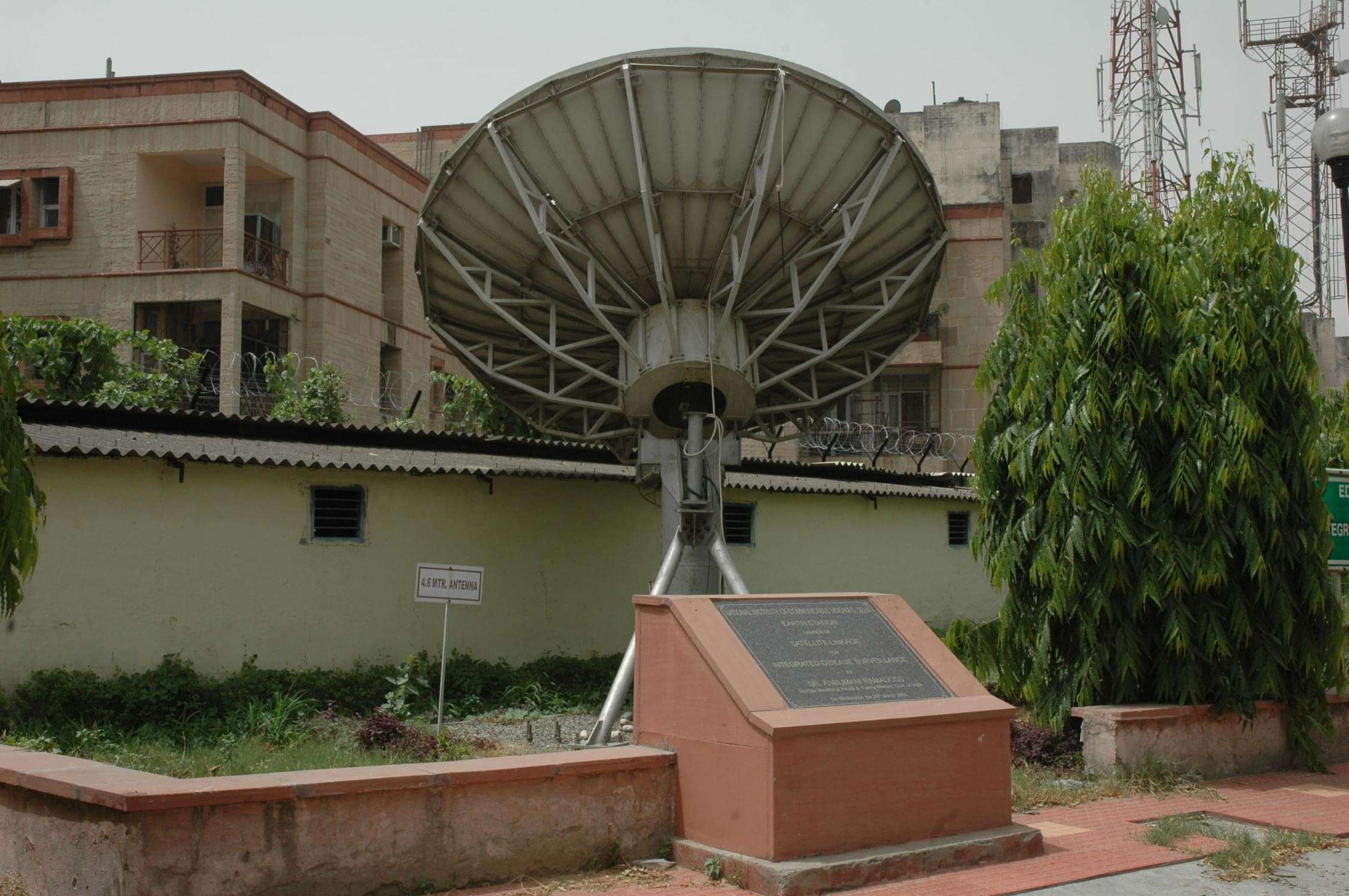
OfficialNational Centre for Diseases Control is a other institution in New Delhi, established in 1909. The National Centre for Disease Control (NCDC), established in 1963 as the Communicable Disease Center and renamed NCDC in 2009, is India's apex institution for disease surveillance, outbreak investigation, and public health capacity building. Located in the heart of Delhi Cantonment, NCDC operates under the Ministry of Health and Family Welfare (Government of India) and serves as a nodal agency for communicable disease control at national and international levels. The institution has evolved from conducting field investigations to becoming a comprehensive training and research hub for epidemiologists, microbiologists, disease surveillance specialists, and public health professionals across India and South Asia. NCDC's mandate includes strengthening disease surveillance systems (IDSP - Integrated Disease Surveillance Programme), outbreak investigation and response, laboratory diagnostics standardization, and developing evidence-based public health interventions. The center has played critical roles during major public health emergencies including dengue epidemics, swine flu outbreaks, plague surveillance, COVID-19 pandemic response, and monkeypox monitoring. Its academic programs are uniquely positioned at the intersection of field epidemiology, laboratory science, and health policy implementation, making it exceptionally relevant for students seeking careers in communicable disease control, outbreak investigation, and public health emergency response. Unlike conventional universities, NCDC operates as a postgraduate institution with a strong emphasis on practical field experience, short-term certification courses, and collaborative projects with state health departments and international health organizations. The institution maintains robust collaborations with WHO (World Health Organization), CDC (Centers for Disease Control and Prevention) USA, and various bilateral health partnerships. NCDC's faculty comprises experienced epidemiologists, microbiologists, virologists, and public health specialists with field experience spanning decades. The campus infrastructure includes a state-of-the-art BSL-3 laboratory facility, advanced diagnostic equipment, epidemiological data analysis centers, and outbreak investigation command centers. Students gain hands-on experience through real-time surveillance participation, attending to actual outbreaks, and conducting epidemiological field investigations. However, prospective students must understand that NCDC differs fundamentally from traditional academic institutions: admissions are highly competitive, limited intake capacity (typically 40-60 students per batch), strong emphasis on practical skills over theoretical knowledge, and placement outcomes focus on government health sector positions rather than corporate placement drives. The institution attracts students genuinely passionate about public health, disease prevention, and serving India's health security rather than those seeking corporate salaries. Living as a student at NCDC involves deep integration with India's public health surveillance network, participation in national disease monitoring systems, and direct involvement in epidemiological investigations. The institution's location in Delhi provides access to national health policy forums, Ministry interactions, and networking with all state health departments. NCDC is uniquely suited for students who wish to contribute to India's disease surveillance infrastructure, work in outbreak response teams, pursue international public health careers with organizations like WHO and CDC, or develop careers as epidemiological researchers and public health policy advisors. Notable strengths include faculty expertise in emerging infectious diseases, access to national disease surveillance data, field investigation experience, and direct engagement with India's health security apparatus. Limitations include limited residential facilities, smaller campus compared to universities, fewer extra-curricular options, and geographic concentration in Delhi requiring relocation for many applicants.