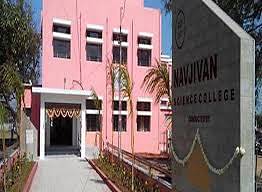
Navjivan Arts And Commerce College
About
OfficialNavjivan Arts And Commerce College is a other institution in Dahod, established in 1964. Navjivan Arts and Commerce College in Dahod, Gujarat, is a private autonomous institution established in 1987, serving the educational needs of students from Madhya Pradesh and Gujarat border regions. The college was founded with the mission to provide quality higher education to students from economically diverse backgrounds, with particular emphasis on arts and commerce disciplines. Over three decades, it has evolved into a respected institution known for its accessible pricing, community-centric approach, and consistent output of graduates who contribute to various sectors. The institution operates under a semi-urban setting in Dahod, a Tier-3 city with significant historical and cultural significance in Gujarat-Madhya Pradesh region. This location presents both advantages and challenges: while it provides a relatively cost-effective living environment and reduced distractions for focused studies, it also limits exposure to major metro-based internship networks and corporate recruitment channels. Academic offerings span 12 undergraduate programs across arts, commerce, and recently introduced applied sciences streams. The college does not offer engineering or professional programs like medicine or law. Core programs include Bachelor of Arts (BA) in English, Hindi, History, Political Science, and Economics; Bachelor of Commerce (BCom) in general, honours, and accounting specializations; and emerging programs in Business Administration and Computer Applications. The teaching methodology emphasizes seminar-based learning, case study discussions, and practical assignments rather than rote memorization. Faculty engagement is generally good, with regular academic mentoring sessions and open-door policies in most departments. Research and innovation initiatives remain limited compared to larger institutions. The college has established a small research cell that encourages faculty-led projects in social sciences and humanities, with occasional publication in regional academic journals. However, research funding is constrained, and PhD programs are not offered. Industry partnerships exist primarily with local businesses, banking sectors, and small educational technology firms rather than multinational corporations. The innovation lab setup is rudimentary and underutilized by student standards. Placements represent a significant area of concern and differentiation for prospective students. The college achieves approximately 62-68% placement rate across programs, which is lower than metropolitan college standards but reasonable for its tier-3 location and student demographic. Average salary packages range from ₹3.2-4.8 lakhs annually for commerce graduates and ₹2.8-3.8 lakhs for arts graduates. Placement quality varies dramatically by program specialization: Commerce honours and Banking/Finance streams consistently perform better (75-80% placement) compared to general arts programs (45-55% placement). Top recruiters include banks (ICICI, SBI, Axis), insurance firms (LIC, HDFC Insurance), and regional e-commerce companies. However, the absence of campus recruitment from tier-1 technology companies and management consulting firms should be clearly understood by prospective students. Campus infrastructure is functional but aging in several areas. The main academic building underwent renovation in 2018-2019, providing improved classroom facilities, upgraded library collections, and basic computer labs. The library houses approximately 42,000 books with recent additions in commerce and social sciences sections. WiFi coverage exists across campus but experiences bandwidth limitations during peak hours. Hostel facilities are available for both male and female students, accommodating roughly 380 residents. Hostel quality is basic but adequate, with common areas, study spaces, and regular maintenance. Sports facilities include a cricket ground, badminton courts, and a small gymnasium; however, Olympic-standard or elite training facilities are absent. Campus life reflects the values of a community-oriented institution. Student clubs encompass cultural societies (Marathi, Hindi, Gujarati arts groups), entrepreneurship cells, and subject-specific academic clubs rather than high-profile technical conferences. Annual fests (Navjivan Utsav in October/November and Akhand Samaroh in February/March) are institution-centric celebrations featuring student performances, competitions, and social activities, drawing local community participation. Ragging incidents have been rare over the past decade due to strong institutional monitoring and student peer culture. Gender safety measures are relatively robust with dedicated women's mentors, secured hostel access, and regular awareness drives. The student demographic is predominantly first-generation college students from middle and lower-middle-income families, particularly from Dahod, Indore, Jhabua, and surrounding regions. This creates a supportive peer environment for students adjusting to college life but also means limited exposure to highly competitive, merit-driven atmospheres. Academic diversity in terms of previous schooling backgrounds is high (mix of regional medium and English medium schools), requiring significant bridging support in English proficiency and quantitative skills. The college maintains decent relations with Devi Ahilya Vishwavidyalaya (DAVV) for academic affiliation and regulatory compliance. Academic autonomy enables some curriculum flexibility and assessment innovation, though this advantage is not fully leveraged. The institution follows a semester system with regular internal assessments, mid-term exams, and end-semester examinations. The location in Dahod presents practical implications for students: the city has a moderate cost of living (monthly budget ₹12,000-18,000 for moderate comfort), reasonable connectivity via road to Indore (55 km) and state highways, but limited direct air connectivity. The city itself offers limited nightlife, entertainment, or food diversity, requiring students to adapt to a quieter lifestyle compared to metros. Medical facilities are basic to moderate, with government district hospital and a few private nursing homes available. Who should apply: First-generation college students from middle-income families seeking affordable, community-focused education; students prioritizing linguistic comfort (regional language instruction available alongside English); those with interest in humanities, social sciences, or commerce without specific technical aspirations; and candidates from Madhya Pradesh and Gujarat border regions who prefer studying close to home. The college is less suitable for students with strong preferences for metropolitan campus life, elite startup ecosystems, or guaranteed corporate recruitment. Notable limitations prospective students should consider: Limited research output and PhD programs; lower placement rates compared to tier-1 colleges; restricted corporate tie-ups; basic sports and recreational infrastructure; limited interdisciplinary programs; and a geographically isolated tier-3 location that constrains networking opportunities and contemporary industry exposure. The college also faces typical challenges of mid-tier institutions in competing for top faculty talent and maintaining cutting-edge academic resources.