Narula Institute of Technology, Kolkata
About
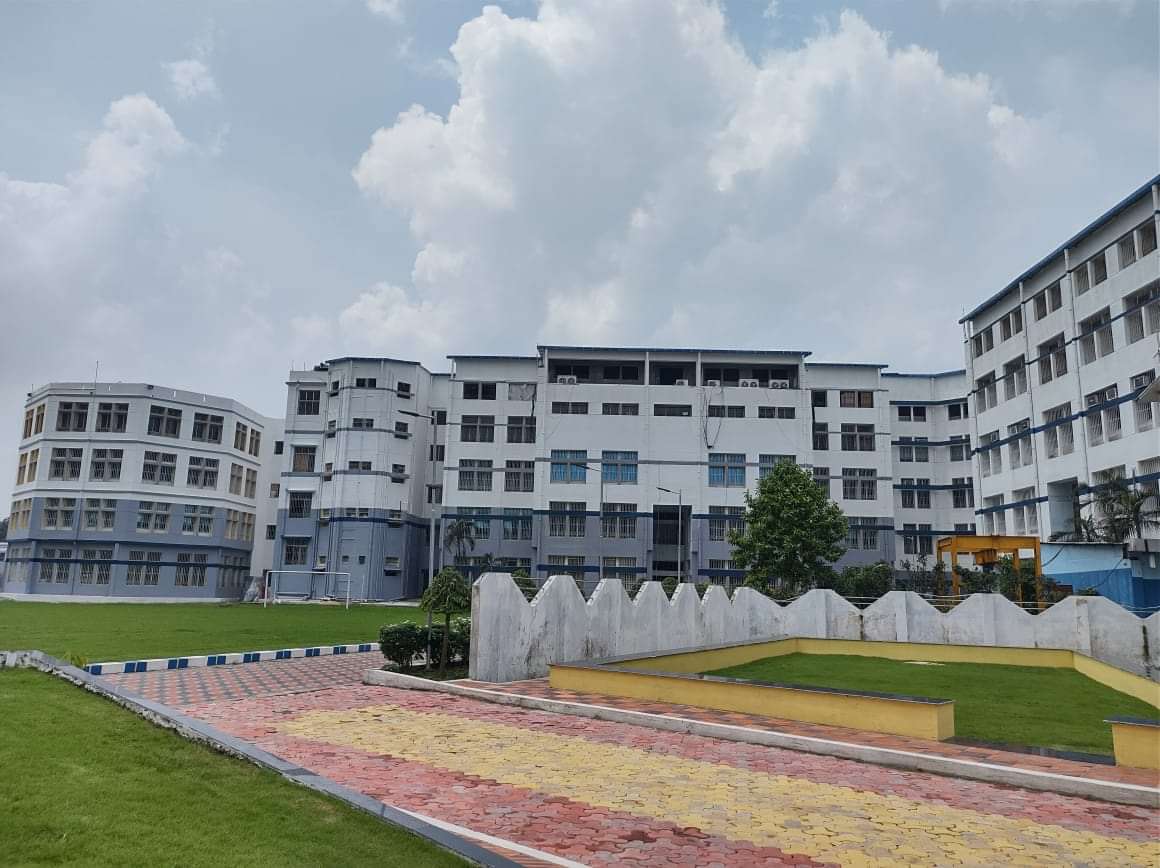
OfficialNarula Institute of Technology, Kolkata is a other institution in Kolkata, established in 2001. Narula Institute of Technology (NIT) is a private engineering college established in 1997, located in the Salt Lake City area of Kolkata. Founded as a self-financed institution, NIT has evolved into one of West Bengal's prominent engineering colleges, particularly known for its Computer Science, Electronics, and Mechanical Engineering programs. The institution is recognized by the All India Council for Technical Education (AICTE) and is affiliated with Maulana Abul Kalam Azad University of Technology (MAKAUT), formerly known as West Bengal University of Technology. With a 27-year operational history, NIT has developed a reputation for balancing academic rigor with industry-relevant skill development. The college operates across multiple engineering disciplines including Computer Science and Engineering, Electronics and Communication Engineering, Electrical Engineering, Mechanical Engineering, Civil Engineering, Information Technology, Biotechnology, and Electronics and Instrumentation Engineering. Each program emphasizes laboratory-based learning and project-driven curricula aligned with MAKAUT standards. The institution has established partnerships with various IT companies and engineering firms for internship and placement opportunities. Research activities are concentrated in IoT, machine learning, renewable energy, and structural engineering, though the research output remains modest compared to tier-1 institutions. Placement statistics for the 2023-24 academic year show approximately 78-82% placement rates, with median salaries ranging from 4.2 LPA to 6.8 LPA depending on the branch. Computer Science and IT branches consistently achieve higher placements and salary packages. The college recruits from companies including TCS, Infosys, Cognizant, Accenture, Capgemini, HCL, and various startup ecosystems. However, off-campus recruitment remains significant, and not all graduates secure campus placements. Campus infrastructure includes dedicated computer labs with modern software licenses, workshops for core engineering disciplines, a library with approximately 18,000 volumes, high-speed internet connectivity across campus, and hostel facilities for both boys and girls. The campus in Salt Lake City offers proximity to Kolkata's IT hub and major industrial areas, though the institutional focus on academics sometimes overshadows vibrant campus life. Student clubs exist for technical (coding, robotics) and cultural activities, though participation is voluntary and event frequency varies. Admissions are primarily through JEE Main scores with merit-based cutoffs. The college attracts students primarily from West Bengal and eastern India, with limited representation from pan-India merit-based admissions. Fee structures are moderate compared to Delhi NCR and Mumbai private colleges, making it accessible to middle-class engineering aspirants. However, the institution lacks the brand recognition of established IITs, NITs, or top-tier Delhi colleges, which impacts initial salary perceptions in pan-India markets. Notable aspects include strong industry linkages with Kolkata-based manufacturing and IT sectors, emphasis on practical engineering training through project-based learning, and active placement cell with dedicated coordinators. Challenges include limited research funding, modest infrastructure when compared to newer private colleges in Bangalore or Pune, and a competitive local academic environment with other colleges in the vicinity. The faculty mix comprises experienced practitioners and academics, though PhD percentage is lower than national benchmarks at approximately 35-40%. The institution suits engineering aspirants seeking quality education in eastern India without migrating to metros, those interested in core engineering disciplines with manufacturing focus, and students aiming for software companies through campus recruitment. It is particularly suitable for candidates from West Bengal and neighboring states seeking proximity to home with structured engineering education. However, it may not be ideal for those prioritizing research opportunities, startup incubation facilities, or expecting metro-tier campus infrastructure and experience.