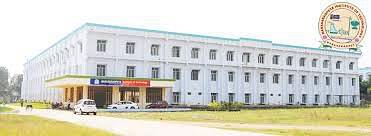
Narayana Pharmacy College
About
OfficialNarayana Pharmacy College is a other institution in Nellore, established in 2008. Narayana Pharmacy College, established in 2008, is a private pharmacy institution located in Nellore, Andhra Pradesh, functioning under the aegis of Sri Sai Educational Society. The college is situated approximately 8 km from Nellore city center, in a suburban setting near the NTPC power plant, providing a balance between academic focus and accessibility to city amenities. The institution has grown to become one of the significant pharmacy colleges in Andhra Pradesh, offering comprehensive pharmaceutical education aligned with national regulatory standards and evolving industry demands. The college operates multiple pharmacy programs including Bachelor of Pharmacy (B.Pharm), Master of Pharmacy (M.Pharm) across specializations, and Diploma programs. The academic curriculum is designed with emphasis on both theoretical knowledge and practical skills, incorporating practical training through hospital and community pharmacy placements, pharmaceutical research projects, and industry internships. The faculty comprises dedicated educators with academic backgrounds from reputed institutions, though research publication rates and doctoral qualifications vary across departments. The college maintains partnerships with pharmaceutical companies for training and placement purposes, and students undertake internships at established pharmaceutical manufacturing units and hospital pharmacies. The campus infrastructure includes well-equipped pharmaceutical laboratories, formulation and analysis labs, microbiology and pharmacology facilities, a digital library with access to pharmaceutical databases and journals, and basic recreational amenities. Narayana Pharmacy College attracts students primarily from Andhra Pradesh and neighboring states seeking accessible pharmacy education with placement assistance. The placement record shows consistent placement opportunities in pharmaceutical manufacturing, hospital pharmacy, retail pharmacy chains, and regulatory affairs positions. The college culture emphasizes practical skill development, professional ethics in pharmacy practice, and industry-readiness. While the institution provides quality pharmacy education and maintains good industry connections, it lacks prominent research facilities, sponsored research projects, and strong publication records compared to top-tier pharmacy institutions. The college infrastructure, while functional, shows signs of age and requires periodic upgrades. Campus life is relatively modest with basic recreational facilities. The institution is ideal for students seeking practical pharmaceutical education with good placement prospects who are flexible about residing in a smaller city and value affordability over premium campus amenities. Notable strengths include affordable fees, industry-aligned curriculum, consistent placements in pharmaceutical sector, and faculty accessibility. Limitations include limited research opportunities, modest campus infrastructure, average academic libraries compared to urban pharmacy colleges, and limited co-curricular programs. Students should realistically assess that this is a teaching-focused institution rather than research-led, and campus life is quieter compared to urban colleges, which some students appreciate and others find limiting.