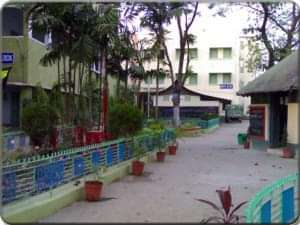
Narasinha Dutt College
About
OfficialNarasinha Dutt College is a other institution in Howrah, established in 1924. Narasinha Dutt College (NDC), established in 1875, is one of the oldest and most respected institutions in West Bengal, located in the historic industrial city of Howrah on the eastern banks of the Hooghly River. Named after the renowned social reformer and educationist Narasinha Dutt, the college has a rich legacy of 149 years in higher education, having weathered multiple phases of India's educational transformation from British colonial times through independence to the modern era. The college operates under the aegis of the University of Calcutta and offers undergraduate and postgraduate programs across Sciences, Arts, and Commerce disciplines. It is a teaching-focused institution with strong roots in classical liberal arts education rather than primarily research-oriented academics. The college serves predominantly regional students, with a significant proportion from Howrah, West Bengal, and neighboring states. Academic Programs and Strengths: NDC offers 8-10 undergraduate honors programs in subjects including Physics, Chemistry, Mathematics, Botany, Zoology, English, Bengali, History, Economics, and Commerce. Postgraduate programs exist in select disciplines like Chemistry, Physics, and English. The Sciences stream is the institutional strength, with dedicated laboratory facilities and experienced faculty. The Chemistry and Physics departments are historically strong and have produced researchers and academics of note. Arts and Commerce streams serve students seeking traditional liberal education with flexibility for professional transitions. The college maintains a moderate faculty-to-student ratio of approximately 1:17, permitting personalized attention in smaller batches, particularly in science practical sessions and seminars. Faculty members hold doctoral degrees from reputed Indian universities and some international institutions, though research output measured by publications and patents remains below elite central universities. The teaching methodology remains largely conventional lecture-based with increasing integration of digital learning platforms post-COVID. Research and Innovation: Research activity at NDC is modest compared to research-intensive institutions. There are no dedicated research centers, but individual faculty members pursue research in specialized areas like organic synthesis, materials science, applied mathematics, and literary studies. Industry partnerships are minimal. Student research projects are typically confined to final-year dissertations rather than ongoing collaborative research programs. The college lacks the infrastructure and funding ecosystems of major research universities. Placement and Career Outcomes: NDC's placement record reflects its regional teaching college positioning. For 2023-24, the placement percentage across all programs averaged 62-68%, with significant variation by stream. Science graduates predominantly pursue further studies (Masters/PhD/competitive exams) rather than direct employment, with only 35-40% placed in industry roles. Commerce and Arts graduates achieve higher placement percentages (70-75%) in banking, insurance, BPO, and teaching sectors. Median starting salaries range from 250,000-380,000 INR annually for placed graduates, with top offers reaching 600,000-750,000 INR in finance and IT sectors. The college lacks established relationships with top-tier tech companies, consulting firms, and multinational corporations, limiting placement reach compared to tier-1 institutions. Campus Infrastructure and Facilities: The campus is compact (2.5 acres) with heritage buildings interspersed with modern structures. The main library houses approximately 65,000 volumes with access to digital databases. Science departments have functional laboratories with basic to moderate equipment—adequate for undergraduate teaching but not cutting-edge research. The campus has WiFi coverage in academic blocks and partial coverage in hostels. Computer labs support approximately 150 workstations shared among students. Sports facilities are limited to a gymnasium and outdoor courtyard space; the college relies on nearby municipal grounds for cricket and football. A modest health center with one full-time doctor provides basic medical care. Hostel Facilities: The college manages separate hostels for male and female students with combined capacity of approximately 400 residents. Hostels are basic-to-average in quality with shared accommodation (4-6 students per room), common bathrooms, and basic furnishing. Monthly hostels fees range from 2,000-3,500 INR depending on amenities. Mess facilities operate with vegetarian and non-vegetarian options at approximately 2,800-3,200 INR monthly. While functional, hostel quality does not match private or central university standards—WiFi connectivity is sporadic, maintenance is adequate but not excellent, and room conditions are utilitarian. Campus Life and Student Culture: The college maintains a traditional academic culture with emphasis on classroom learning and examination performance. Student societies focus on cultural, sports, and academic interests with active participation in inter-college competitions. Annual fests like Convocation and Foundation Day celebrations occur but lack the grandeur of larger institutions. Ragging incidents have been rare in recent years with strict institutional policies. The co-curricular culture is moderate—many students juggle college with coaching for civil service exams, entrance exams, and gate preparations. Social life revolves around local Howrah localities rather than concentrated campus activities. Admissions and Accessibility: The college practices merit-based admissions for undergraduate programs using merit lists generated from Class XII board examination scores and, for some programs, entrance examinations conducted by the University of Calcutta. Admission is relatively accessible compared to elite institutions, with acceptance rates varying from 8-15% depending on the stream and program demand. The college serves as an important social mobility instrument for middle-class students from West Bengal and eastern India seeking affordable, quality higher education. Notable Alumni: The college has produced several notable academics, administrators, and professionals, including university professors, civil servants, and scientists, though not internationally renowned figures. Alumni network participation is moderate, with limited formal placement support and mentoring structures compared to premier institutions. What Makes NDC Unique: NDC represents authentic regional Indian college education—deeply embedded in local community, affordable, and focused on teaching excellence over research rankings. It offers genuine liberal arts education without the pressure-cooker environment of competitive exam coaching. The college serves as a cultural institution in Howrah, maintaining heritage while adapting to modern educational needs. It is ideal for students seeking solid foundational education in sciences, arts, or commerce without premium costs, and those comfortable with regional medium instruction and local peer networks. Who Should Apply: Students from West Bengal and eastern India seeking undergraduate education in sciences, arts, or commerce at affordable costs; students who prioritize teaching quality and personal interaction over research prestige; those planning postgraduate studies and seeking a stepping stone; students uncomfortable with high-pressure competitive environments; first-generation learners seeking credible regional institutions; students who value campus proximity to home and established community support systems. Who Should Consider Alternatives: Students aspiring to tier-1 research universities; those requiring cutting-edge research facilities or elite industry connections; students seeking aggressive placement support in global companies; non-regional students requiring cosmopolitan campus environments; those prioritizing international exposure and infrastructure standards of central universities.