Nandha College of Technology
About
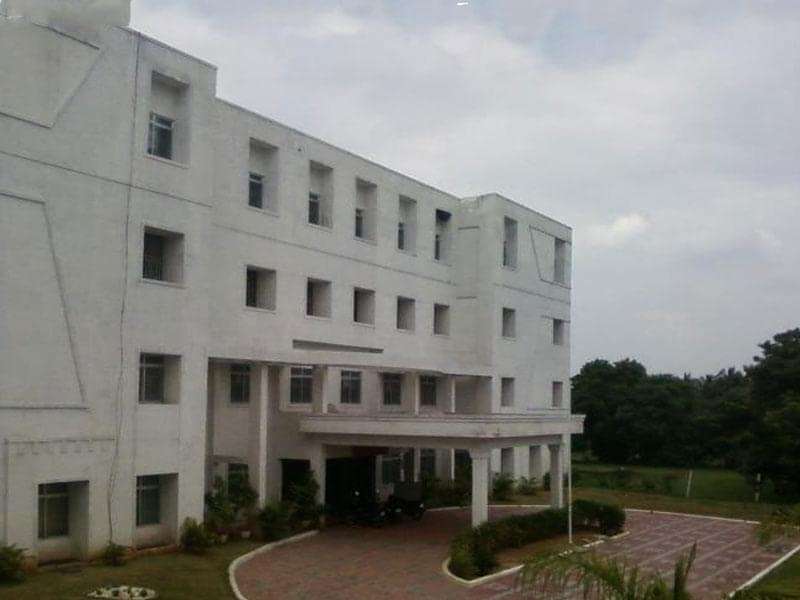
OfficialNandha College of Technology is a other institution in Erode, established in 2008. Nandha College of Technology, established in 2009, is a private engineering college located in Erode, Tamil Nadu, approximately 15 km from the city center on the Erode-Perundurai Road. Founded with the vision of providing quality technical education to students from diverse socioeconomic backgrounds, the institution has grown to become one of the mid-tier engineering colleges in Tamil Nadu with a consistent focus on industry-relevant curriculum and practical skill development. The college operates under the governance of the Nandha Educational Trust and is affiliated with Anna University, making it subject to standard regulatory frameworks for engineering education in Tamil Nadu. The institution offers undergraduate programs across 8 engineering disciplines and postgraduate programs in select areas, catering to approximately 3,200 students with a faculty strength of 280 across all departments. Academic Structure and Programs: Nandha College offers 4-year B.Tech programs in Civil Engineering, Mechanical Engineering, Electrical and Electronics Engineering, Electronics and Communication Engineering, Computer Science and Engineering, Information Technology, Mechanical Engineering (Autonomous Stream), and Electronics and Communication Engineering (Autonomous Stream). Each program is designed with AICTE approval and Anna University affiliation, ensuring standard curriculum compliance. The college has also introduced specialized electives in AI/ML, IoT, Cloud Computing, and Advanced Manufacturing to align with industry demands. Postgraduate programs are offered in select disciplines including M.Tech in Computer Science Engineering (Specializations in Machine Learning and Network Security), M.Tech in Mechanical Engineering (Specialization in Advanced Manufacturing), and M.E. in Power Systems Engineering. The college maintains a diploma program in Civil, Mechanical, and Electrical Engineering with a 2-year duration. Infrastructure and Facilities: The 32-acre campus includes well-equipped laboratories for core subjects (mechanics, thermodynamics, circuits, signals and systems), specialized labs for microprocessor programming, VLSI design, embedded systems, and data science. The college library houses approximately 45,000 books with digital access to multiple journals through Anna University's online portal. Internet connectivity is available across campus with average speeds of 10 Mbps in academic buildings and variable speeds in hostel areas (5-8 Mbps during peak hours, creating bandwidth congestion issues). The campus features a 400-meter athletic track, volleyball and badminton courts, gymnasium with basic equipment, and cricket practice nets. The sports infrastructure is functional but modest compared to tier-1 institutions. A dedicated placement and training cell operates with dedicated career counselors and industry liaison officers. Research and Industry Collaboration: The college has signed MoUs with organizations including Bosch, HCL Technologies, Infosys, and TCS for internship programs and technology partnerships. Faculty members are encouraged to undertake research, with approximately 35% holding PhDs. Key research areas include renewable energy systems, IoT applications, and manufacturing process optimization. The college has established a Smart Manufacturing Lab and an IoT Innovation Lab with funding from industry partners. Placement Performance: The placement record for 2023-24 shows 78% placement rates across all branches, with highest placement percentages in CSE (88%), IT (85%), and ECE (82%). Median package stands at 3.6 LPA with highest packages reaching 12 LPA. Top recruiters include Cognizant, Infosys, HCL, Wipro, TCS, Amazon, Flipkart, and various manufacturing firms. Core engineering roles are available but less frequent compared to IT roles, with only 12-15% of graduating engineers securing core manufacturing positions. Campus Culture and Student Life: The college maintains an active student council and organizes annual technical fest 'TECHSPEC' and cultural fest 'SPECTRUM'. Student clubs cover robotics, coding competition preparation, entrepreneurship, and cultural activities. The hostel infrastructure includes separate facilities for men and women with room sharing (2-3 students per room), basic amenities, and 24-hour water supply with morning and evening electricity cuts during peak demand seasons in summer. What Makes It Unique: 1. Affordable fee structure compared to other private engineering colleges in Tamil Nadu (₹120,000-140,000 per annum for engineering programs) 2. Strong industry partnerships for internships and skill development 3. Focus on skill-based training through designated training cell 4. Accessible to students from moderate family income backgrounds 5. Consistent placement outcomes in IT and services sector Limitations: 1. Infrastructure is functional but aging in some facilities (libraries, some labs) 2. Research publication rate is modest with limited world-class publications 3. Faculty expertise concentrated in traditional engineering domains; emerging fields like AI/ML have newer faculty 4. Hostel internet connectivity remains problematic during peak hours 5. Geographic location in suburban Erode limits cultural exposure compared to Bangalore/Chennai-based colleges 6. Campus placement heavily skewed towards IT services; core engineering roles are limited 7. Limited international exposure with few student exchange programs Who Should Apply: Nandha College of Technology is well-suited for: 1. Students from Tamil Nadu seeking quality engineering education at affordable fees 2. Candidates with aggregate scores in the 55-70% range at 10+2 level 3. Students interested in IT services and BPO careers 4. Those unable to secure admission in top-tier colleges but seeking standardized engineering education 5. Students prioritizing placement outcomes over research opportunities 6. Candidates comfortable with suburban campus setting with limited cultural infrastructure Not Ideal For: 1. Students pursuing research-intensive careers or planning PhD abroad 2. Those seeking tier-1 brand value for international job markets 3. Candidates looking for vibrant metropolitan college experience 4. Students targeting core manufacturing or infrastructure sector roles (limited presence) 5. Those requiring cutting-edge research facilities in emerging domains