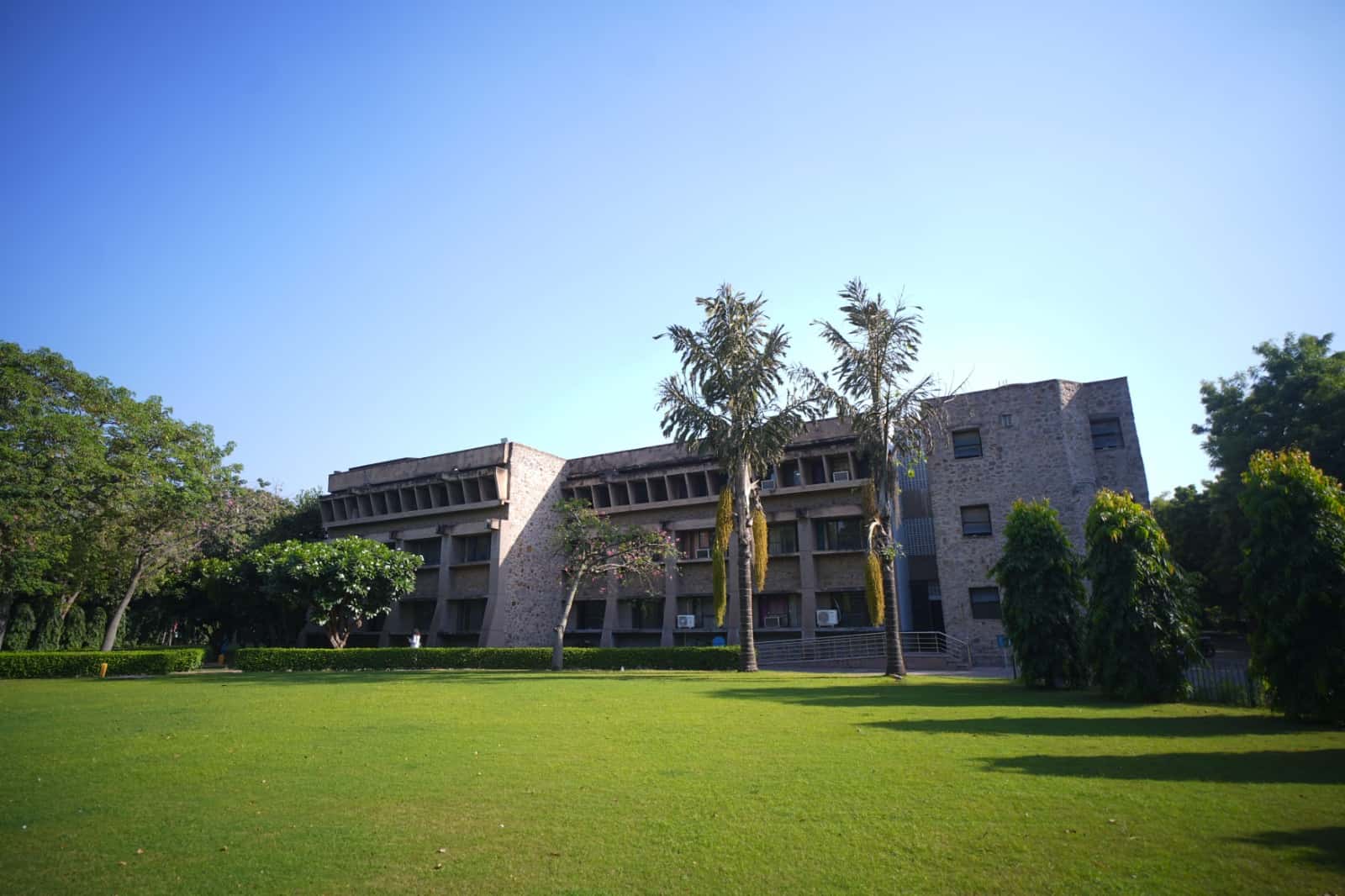
Master of Business Economics
About
OfficialMaster of Business Economics is a other institution in New Delhi, established in 1973. The Master of Business Economics (MBE) program at Delhi University is a prestigious postgraduate offering designed to equip students with advanced knowledge in economic theory, business analytics, and decision-making in contemporary markets. Founded in the context of India's economic liberalization in the 1990s, the program has evolved to become one of the most sought-after economics master's programs in India. Delhi University's Department of Economics, established in 1922, boasts a rich legacy of producing economists, policymakers, and business leaders who have significantly contributed to India's economic development. The MBE program specifically is a 2-year full-time offering that synthesizes economic theory with practical business applications, making it attractive to students seeking careers in finance, consulting, policy, and research. The curriculum covers microeconomics, macroeconomics, econometrics, industrial organization, public finance, international trade, and business economics, with emphasis on quantitative methods and data analysis. The program is housed in the historic North Campus of Delhi University, one of India's most prestigious academic institutions, located in central Delhi with excellent connectivity. The faculty comprises PhD holders from top global universities including Oxford, Cambridge, London School of Economics, and IIT Delhi, ensuring rigorous academic standards. The program maintains strong industry connections with financial institutions, consulting firms, and government agencies. Notable strengths include specialized labs for econometric analysis, access to international databases like JSTOR, and guest lectures from senior economists and business leaders. Student research projects often involve real-world business problems in partnership with companies. The placement record has been consistently strong, with 85-90% of graduates securing positions within 6 months, primarily in financial services, management consulting, research organizations, and government agencies. Top recruiters include McKinsey, Goldman Sachs, ICICI Bank, HDFC Bank, Reserve Bank of India, Ministry of Finance, and various think tanks. The program produces not just job-ready professionals but also thought leaders—several alumni have founded successful fintech startups, become published researchers, and held senior positions in multinational corporations and government bodies. What truly distinguishes this program is its blend of theoretical rigor with practical relevance, the caliber of faculty mentorship, and Delhi's position as India's policy-making hub, providing unparalleled exposure to economic policymaking at the highest levels. However, prospective students should be aware of limited on-campus hostel facilities, high competition during admissions, demanding coursework that requires strong quantitative aptitude, and the challenging Delhi weather during summers. The program is ideal for students with strong economics or quantitative backgrounds who aspire to careers in finance, policy research, consulting, or academia. It attracts not just Indian students but also international applicants, creating a genuinely cosmopolitan learning environment. The North Campus itself is a vibrant intellectual hub with students from various disciplines, fostering cross-disciplinary learning and networking opportunities. The proximity to Delhi's financial district, government offices, and international organizations makes it an ideal location for an economics program. Students often leverage internship opportunities during summers at RBI, Ministry of Finance, World Bank India office, and leading financial institutions—experiences that significantly enhance career prospects.