Maulana Azad College
About
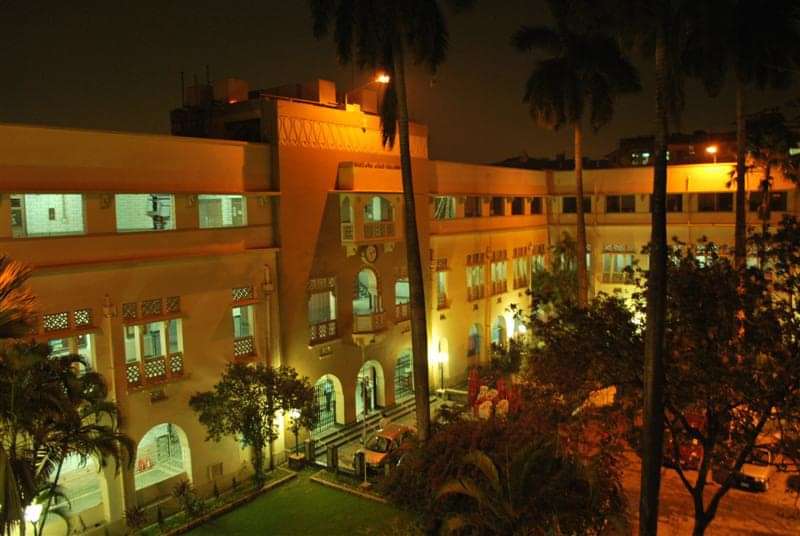
OfficialMaulana Azad College is a other institution in Kolkata. Maulana Azad College, established in 1873 as the Central Muslim College, stands as one of Kolkata's oldest and most prestigious institutions. Located in the heart of central Kolkata at Shakespeare Sarani, it represents a significant chapter in India's post-independence educational history after being renamed in honor of Maulana Abul Kalam Azad, independent India's first Minister of Education. The college holds the distinction of being the first college to be established by a Muslim community in India, making it historically significant both educationally and culturally. The institution has evolved from its origins into a comprehensive liberal arts and sciences college offering undergraduate and postgraduate programs across Sciences, Commerce, Arts, and a limited Engineering stream. The college's academic framework emphasizes a traditional yet evolving approach to education, blending classical humanities education with contemporary professional skill development. Its curriculum reflects the college's commitment to producing graduates who are intellectually grounded and socially conscious. The faculty comprises experienced educators, many with advanced degrees from prestigious Indian and international universities, maintaining a student-to-faculty ratio that allows for meaningful classroom interactions. Maulana Azad has maintained respectable academic standards across its programs, with consistent participation in university examinations and competitive entrance assessments. The institution's strength lies particularly in its Arts and Sciences programs, where students benefit from well-stocked libraries, active departmental seminars, and engagement with contemporary academic discourse. Research activity at the college is moderate, with faculty members publishing in national journals and pursuing minor research projects aligned with university-approved frameworks. The college's location in central Kolkata provides unprecedented access to the city's cultural, intellectual, and professional ecosystems—students can easily access national archives, museums, publishing houses, and media organizations. The campus itself, though compact by modern standards at 8.5 acres, features heritage colonial architecture interspersed with modern classroom blocks, creating a unique atmosphere that bridges India's educational past and present. Campus life at Maulana Azad reflects the college's cosmopolitan character. The student body comprises individuals from diverse religious, regional, and socioeconomic backgrounds, fostering genuine pluralistic discourse. The college supports numerous student clubs focusing on debate, drama, literature, social welfare, and environmental awareness. Annual events like the college fest showcase student talent in cultural and sports domains. However, facilities are somewhat dated—while the library holds valuable collections, its digital infrastructure is developing; sports facilities are limited due to urban space constraints; and hostel accommodations are modest. Placement outcomes in recent years show around 65-70% overall placement rates, with variations across disciplines. Science and Commerce graduates find placements in teaching, research, banking, and business sectors, while humanities graduates pursue careers in civil services, media, publishing, and academia. Top recruiters include educational institutions, financial services firms, government organizations, and media houses. The college does not have the intensive industry placement machinery of commercial engineering colleges, reflecting its traditional liberal arts orientation. Alumni networks exist but are less organized than in IIT/DU Delhi colleges. Notable alumni include journalists, civil servants, academics, and writers who have contributed significantly to Indian intellectual and cultural life. The institution appeals primarily to students seeking a traditional, intellectually stimulating college education in a heritage setting, valuing humanities and sciences education alongside cultural development. It suits candidates who prefer Kolkata's intellectual atmosphere, those from Bengali-speaking backgrounds, students interested in civil services preparation, and individuals seeking a college with genuine pluralistic values. The college is less ideal for students prioritizing corporate placements, looking for cutting-edge research facilities, or preferring modern infrastructure. Financial accessibility is a key strength—fees remain reasonable, making quality education accessible to middle-class families. However, prospective students should note that Maulana Azad is fundamentally a teaching college with limited research infrastructure, less aggressive placement support compared to specialized institutions, and infrastructure constraints typical of older urban colleges. The college's value proposition lies not in placements or research output but in providing thoughtful, inclusive education in one of India's great intellectual cities.