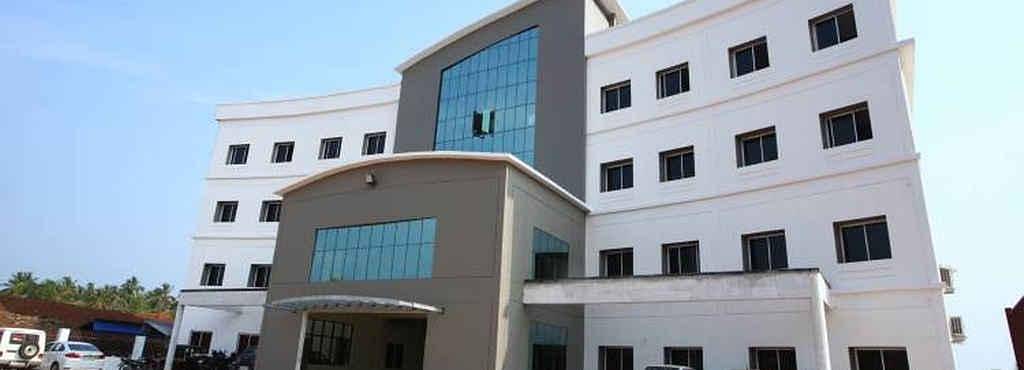
Ma'din Polytechnic College
About
OfficialMa'din Polytechnic College is a other institution in Malapuram. Ma'din Polytechnic College, located in Pookode, Malapuram District, Kerala, is a government-aided diploma engineering institution established in 1997. The college operates under the Department of Technical Education, Government of Kerala, and serves as a significant technical education provider in the Malappuram region. The institution offers comprehensive diploma programs in core engineering disciplines and has gradually expanded its academic portfolio to meet industry demands. The college infrastructure spans approximately 12.5 acres in a semi-rural setting with good proximity to Malapuram city (about 18 km away). The location provides a peaceful academic environment while maintaining reasonable connectivity to urban centres for internships and placements. The campus includes dedicated laboratory facilities for electronics, mechanical, civil, and electrical engineering disciplines, computer centres with modern systems, and a modest library with technical reference materials. Academic programs are structured as 3-year diploma courses affiliated with the State Board of Technical Education, Kerala. The college offers specializations in Civil Engineering, Mechanical Engineering, Electrical Engineering, Electronics & Communication Engineering, and Computer Science & Engineering. Each program maintains an intake of 60 students per batch (approximately), ensuring reasonable student-to-faculty ratios for practical training. The curriculum emphasizes hands-on learning with mandatory industrial training components built into each semester. The college maintains industry partnerships with regional manufacturing units, IT companies, and infrastructure development organizations. These partnerships facilitate student internships and provide pathways for campus recruitment. The placement cell actively engages with recruiters for diploma-level technical positions, primarily in manufacturing, IT-enabled services, and infrastructure sectors. Campus life is characterized by a mix of academic focus and extracurricular activities. The institution organizes annual technical fests, sports days, and cultural programs. Student clubs exist for technical disciplines, sports, and cultural activities, though participation remains moderate due to the college's smaller student population compared to larger engineering institutions. The hostel facilities accommodate approximately 40% of the student population, with separate wings for male and female students. Placement outcomes reflect typical polytechnic-level employment patterns. Graduates primarily secure positions as junior engineers, technicians, or supervisors in manufacturing units, infrastructure companies, and IT service providers. The median salary range for 2023-24 batch was INR 240,000-300,000 annually, which is reasonable for diploma graduates in Kerala's job market. Top recruiters include Larsen & Toubro, Siemens, Bharat Heavy Electricals Limited, various power distribution companies, and smaller regional manufacturing firms. The college's strengths include affordable education (government-aided status), practical orientation, reasonable placement success, and a supportive faculty. The location in Kerala ensures exposure to quality technical education standards and good campus discipline. However, the institution faces limitations typical of smaller polytechnics: limited advanced research facilities, modest infrastructure compared to tier-1 engineering colleges, and a relatively smaller alumni network for career mentorship. Notable aspects include the college's commitment to skill-based education, regular curriculum updates aligned with industry needs, and reasonable gender diversity (approximately 35% female students). The institution has gradually improved its placement rates through dedicated industry engagement, though mass recruitments remain limited compared to larger engineering colleges. This college is ideal for students seeking quality diploma-level engineering education in Kerala with affordable fees and strong local placements. It suits aspirants who prefer a smaller, more intimate learning environment over large campuses and those targeting junior engineering roles in manufacturing, power, and infrastructure sectors. The college is less suitable for students aspiring for software engineering roles at premium IT companies or those seeking intensive research facilities and extensive campus amenities.