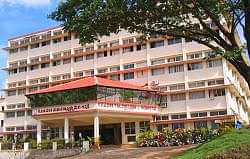
KVG Dental College & Hospital
About
OfficialKVG Dental College & Hospital is a other institution in Sullia, established in 1991. KVG Dental College & Hospital, established in 2008, is a private dental institution located in Sullia, a semi-rural town in Dakshina Kannada district of Karnataka. The college was founded with the vision of producing skilled dental professionals equipped to serve underserved populations in India. It operates under the aegis of the KVG Educational Trust, which also runs a charitable hospital attached to the college. The institution is recognized by the Dental Council of India (DCI) and is affiliated with Rajiv Gandhi University of Health Sciences (RGUHS), Karnataka. Over 16 years of operation, KVG Dental has evolved from a single BDS program to a multi-program institution offering undergraduate, postgraduate, and research opportunities in dentistry. The college is situated approximately 50km from Mangaluru, in an area known for its natural beauty and proximity to the Western Ghats. The rural setting, while limiting in terms of urban amenities, has positioned the college as a hub for community dentistry and preventive care initiatives. The institution has 60 BDS seats, distributed across General and Non-Resident Indian (NRI) categories. Postgraduate programs include MDS in Prosthodontics, Periodontics, Orthodontics, Oral Surgery, Conservative Dentistry, and Pediatric Dentistry, with a total PG capacity of approximately 30 seats. The college also offers a 3-year BDS program for international students. KVG Dental is known for its emphasis on clinical exposure from the first year itself, with a well-equipped dental hospital that sees approximately 150-200 patients daily. The institution has invested significantly in digital dentistry infrastructure, including CAD-CAM facilities, digital radiography, and laser therapy equipment. The college library houses over 8,000 books and provides access to international dental journals through institutional subscriptions. Research output from KVG Dental has been modest but steady, with faculty and postgraduates publishing papers in peer-reviewed national and international journals. The college conducts regular outreach camps in surrounding villages, providing free dental care and health education. The academic year follows a traditional semester pattern with continuous internal assessments and university-conducted final examinations. Placements in dental colleges differ significantly from engineering institutions—rather than corporate recruitment drives, graduates transition directly into dental practice (either independent or associate roles) or pursue higher studies. Most BDS graduates from KVG establish private dental clinics, work as associate dentists, or pursue government jobs through public service commissions. A significant proportion of PG students transition into academia or specialized dental practice. The college has observed that approximately 70% of its UG graduates either set up independent practice within 2 years or work as associate dentists in established clinics across India and abroad. About 20% pursue PG studies, while 10% opt for government positions or entrepreneurial ventures in dental care. The faculty comprises experienced dentists with various qualifications (BDS, MDS, and some with international certifications). However, the college faces typical challenges associated with rural locations: limited faculty with recent PhD qualifications, moderate publication record, and difficulty attracting top research talent. The college is developing tie-ups with dental schools in developed nations for student and faculty exchange programs, though execution remains limited. Student life at KVG is relatively quiet compared to urban dental colleges. The rural campus offers a focused academic environment but limited recreational infrastructure. Hostel facilities exist but are basic, with many students opting to rent accommodation in nearby Sullia town (approximately 8km away). The college does not have a robust sports culture or vibrant fest ecosystem typical of larger institutions. However, the smaller batch size (60 UG + 30 PG) ensures personalized attention and mentorship. The college has initiated clubs focused on clinical skills, research, and community service, though these remain informal. Ragging has been reported occasionally in past years, though the institution claims to have implemented strict anti-ragging measures. The college is recommended for students seeking: (1) Direct clinical exposure from Year 1, (2) A focused academic environment with lower student-to-faculty ratios, (3) Emphasis on community dentistry and rural healthcare, (4) Lower fees compared to metro-based dental colleges, (5) Genuine interest in dental practice rather than just pursuing a degree. It is NOT recommended for students seeking: urban nightlife, extensive sports infrastructure, a vibrant social ecosystem, or those who prioritize brand name over educational quality. The college's strength lies in producing clinically competent dentists rather than researchers or academics. Notable strengths include the attached hospital (providing real clinical experience), faculty with private practice experience (ensuring practical teaching), and a curriculum that emphasizes skills over theory. Weaknesses include limited research culture, modest faculty qualifications, basic hostel infrastructure, and a relatively unknown brand outside dental circles. Financial viability is good—the college maintains decent occupancy rates and has secured government accreditations, though long-term sustainability depends on maintaining academic standards and placements. The institution operates ethically within the constraints of Indian dental education regulations, though it lacks the innovation and global exposure of premier dental schools.