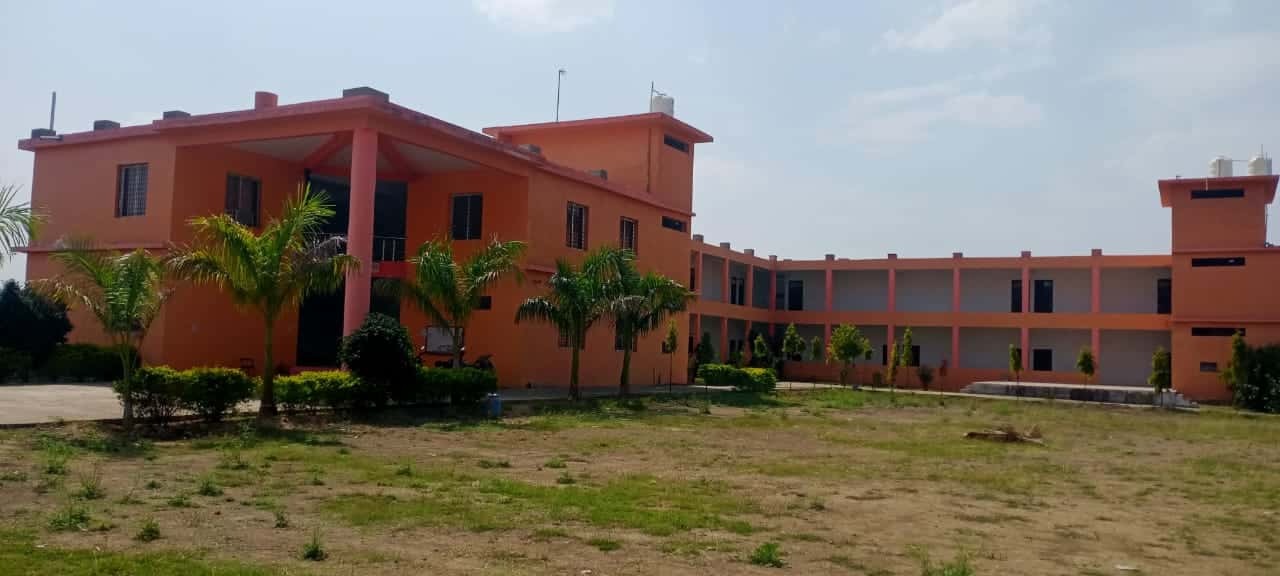
Krishna Institute of Pharmaceutical Science and Research
About
OfficialKrishna Institute of Pharmaceutical Science and Research is a other institution in Shivpuri, established in 2023. Krishna Institute of Pharmaceutical Science and Research (KIPSR) was established in 2008 in Shivpuri, Madhya Pradesh, as a private institution dedicated to pharmaceutical education and research. Located approximately 250km south of Delhi and 100km from Indore, the institute operates on a spacious 28-acre rural campus that provides a focused academic environment away from urban distractions. The institution is recognized by the Pharmacy Council of India (PCI) and approved by the All India Council for Technical Education (AICTE). KIPSR has grown to become one of the prominent pharmaceutical colleges in Central India, with a student body of approximately 850 across undergraduate and postgraduate programs. The institute's founding vision centered on creating a bridge between academic pharmaceutical sciences and industry applications, with particular emphasis on research and innovation in drug development and formulation sciences. Over the past 15+ years, KIPSR has established itself as a specialized pharmaceutical education provider, moving beyond conventional classroom teaching to incorporate practical laboratory work, research projects, and industry collaborations. The campus infrastructure includes modern pharmaceutical laboratories equipped with HPLC, GC, and spectrophotometry instruments, a well-stocked pharmacy library with access to international journals, research labs focused on natural products and synthetic chemistry, and a medicinal plant garden spanning 2 acres where students conduct ethnopharmacology studies. The institution has developed partnerships with pharmaceutical companies including Cipla, Dr. Reddy's Laboratories, and Lupin for collaborative research projects and industrial training. KIPSR's undergraduate B.Pharmacy program follows a 4-year curriculum emphasizing both theoretical knowledge and practical competency, with students completing mandatory 6-week industry internships during their final year. The postgraduate M.Pharmacy program is offered in five specializations: Pharmaceutics, Pharmaceutical Chemistry, Pharmacology, Pharmaceutical Analysis, and Pharmacognosy, each designed to develop research expertise in specific domains. The institute's research output has grown with faculty publishing in peer-reviewed journals, though publication numbers remain moderate (approximately 30-40 papers annually across all faculty). KIPSR has established a dedicated research center focused on phytopharmaceuticals and herbal drug formulations, leveraging the region's rich biodiversity. The campus library holds a collection of 8,500+ books and provides digital access to journals through the Pharmacy Council's learning platforms. KIPSR's placement record has improved steadily, with approximately 78% of B.Pharmacy graduates securing positions in pharmaceutical companies, with average packages ranging from 3.5-4.5 LPA. Notable recruiters include major pharmaceutical companies and contract research organizations (CROs) that conduct regular campus recruitment drives. The M.Pharmacy graduates often pursue doctoral research or specialized roles in drug development, with some establishing themselves in academic positions at other institutions. Campus life at KIPSR revolves primarily around academics given the specialized nature of pharmaceutical education, though the institute has established student organizations including a Pharmacy Association, a Scientific Research Club, and cultural groups. The annual Pharma Festival (usually held in February) showcases student research projects and industry-academic interactions. The institute conducts regular seminars featuring practicing pharmacists, industry experts, and researchers from leading pharmaceutical companies, enriching the learning environment. Housing at KIPSR is available in gender-segregated hostels with separate facilities for men and women students, accommodating approximately 60% of the student population. The hostel rooms are basic but functional, with 2-3 bed configurations. Mess facilities provide vegetarian and non-vegetarian options, with quality varying seasonally. Internet connectivity is available across campus with reasonable bandwidth for academic purposes. The rural location means limited off-campus entertainment and food options, which influences student preferences to remain engaged with campus activities. The institute maintains a strict disciplinary code regarding academic integrity, attendance, and conduct. Ragging is strictly prohibited with a zero-tolerance policy actively enforced. Safety for women students is prioritized through CCTV surveillance in common areas, designated women's security coordinators, and hostel-specific security protocols. However, the rural location requires students to plan transportation carefully for off-campus visits. The city of Shivpuri is a small tier-3 city with limited cosmopolitan amenities, which is a significant consideration for students from metropolitan backgrounds. The climate is continental with hot summers (40-42°C May-June) and mild winters (8-15°C December-January). Most students find the environment conducive for focused studies but less appealing for social diversity and entertainment. KIPSR is ideally suited for students with genuine interest in pharmaceutical sciences, research aspirations, and those seeking specialized training for pharmaceutical industry roles. The institute is particularly recommended for students aiming for careers in drug formulation, quality control, regulatory affairs, or pharmaceutical research. It is less suitable for students seeking broader general science education, those prioritizing campus life and social activities, or those looking for engineering/management education. The institute's strength lies in its specialized focus, hands-on laboratory training, and established industry connections within the pharmaceutical sector. Prospective students should be aware that the rural location, while beneficial for focused academics, limits exposure to cosmopolitan campus culture and requires self-driven initiative for social engagement and entertainment.