Krishna Institute of Medical Sciences
About
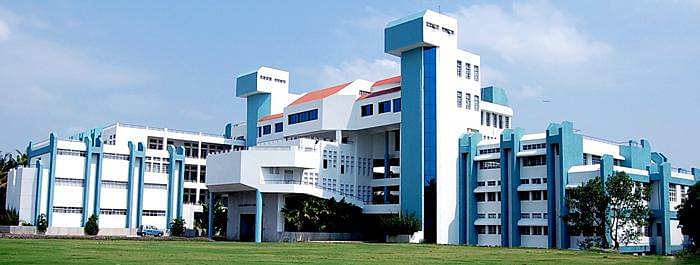
OfficialKrishna Institute of Medical Sciences is a other institution in Satara. Krishna Institute of Medical Sciences (KIMS), established in 1997 in Satara, Maharashtra, is one of the oldest and most reputed private medical institutions in western India. Founded by the Krishna Education Trust, KIMS has grown from a single medical college to a comprehensive healthcare and education ecosystem. The institution operates under the vision of providing quality medical education with an emphasis on clinical competence, research ethics, and patient care. KIMS Satara is particularly known for its commitment to rural health outreach and has developed strong connections with surrounding villages through its health camps and community medicine programs. The college is strategically located on the outskirts of Satara city, providing a balanced campus environment that is removed from urban chaos yet connected to clinical learning opportunities. The institution has established itself as a feeder for senior medical professionals in Maharashtra and has consistently produced doctors who work across government, private, and international healthcare systems. KIMS operates a 500-bed super-specialty hospital attached to the medical college, which serves as the primary clinical training ground for students. The hospital has state-of-the-art diagnostic facilities, operation theaters equipped with latest technology, and departments spanning cardiology, neurology, oncology, orthopedics, and other specialties. This direct exposure to tertiary care medicine differentiates KIMS from many other private medical colleges. The institution emphasizes integrated teaching using problem-based learning and competency-based medical education aligned with NMC guidelines. Faculty members are predominantly MD/MS qualified, with several having international qualifications and research publications. Research is encouraged through dedicated research wings, though the institution could strengthen its PhD programs and international research collaborations. Campus infrastructure includes modern lecture halls with audio-visual aids, well-stocked central library, anatomy dissection halls with modern specimens, biochemistry and pathology laboratories, and digital learning platforms. The institution has faced occasional controversies regarding fee structures (among the higher in private medical sector at approximately 18-22 lakhs for the entire 4.5-year program), but the college argues this reflects quality clinical exposure and infrastructure. Student life at KIMS involves structured academics, mandatory clinical rotations, and significant patient contact from second-year onwards. The campus hosts regular medical seminars, CME programs, and guest lectures from renowned physicians. Hostel facilities are available for both boys and girls on separate campuses with basic but functional amenities. The mess provides vegetarian and non-vegetarian options, though quality feedback is mixed. Student unions are active and organize annual medical fest and sports events. Ragging has been a concern historically, though the institution has implemented strict anti-ragging committees and monitoring. Safety for women students has improved with dedicated security personnel and campus surveillance, though awareness campaigns continue. The city of Satara itself is a tier-3 city in western Maharashtra, which poses challenges for urban students accustomed to metropolitan life—limited nightlife, moderate internet speeds, and limited entertainment options. However, this also means lower living costs, minimal distractions from academics, and easy access to nature and trekking opportunities. Satara is approximately 250 km from Pune and 280 km from Mumbai, with regular bus and train connectivity. Placement outcomes for KIMS have been respectable, with around 85-90% students securing postgraduate seats through NEET-PG or pursuing higher studies abroad. The college doesn't have traditional corporate placements as students are doctors, but career progression through medical institutions and hospitals is strong. International students occasionally pursue residencies in USA, UK, Canada, and Gulf countries. Alumni network is active with many KIMS graduates holding senior positions in government medical colleges, private hospitals, and healthcare administration. The institution is particularly strong for students seeking traditional medical practice in India, with excellent preparation for PG entrance exams. KIMS should be considered by candidates who: (1) are genuinely interested in clinical medicine and patient care, (2) can afford the premium fees and are comfortable in semi-urban setting, (3) seek quality medical education through a medium-sized institution with good faculty and hospital facilities, (4) are willing to commit to rigorous academics and clinical training. The college is NOT ideal for those seeking guaranteed international placements, expecting metropolitan campus life, or looking for heavily subsidized education. Overall, KIMS represents the middle ground in private medical education—premium but not elite like Symbiosis or Manipal, with solid clinical training and respectable outcomes.