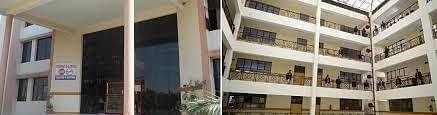
Kelappaji College of Agricultural Engineering & Technology
About
OfficialKelappaji College of Agricultural Engineering & Technology is a other institution in Malapuram, established in 1971. Kelappaji College of Agricultural Engineering & Technology (KCAET), established in 1987, is one of India's premier institutions for agricultural engineering education, located in the agricultural heartland of Malapuram district in Kerala. Founded under the vision of developing skilled professionals in agricultural engineering and allied sciences, the college has evolved into a significant hub for research, innovation, and farmer-friendly technology development. The institution is named after renowned agricultural scientist and Padma Shri recipient Dr. A.K. Kelappaji, reflecting its commitment to practical agricultural advancement and rural development. KCAET operates under the aegis of Kerala Agricultural University (KAU) and has earned state recognition for its pioneering work in sustainable agriculture, farm mechanization, and water resource management technologies. The college's 285-acre campus spans agricultural demonstration fields, research plots, and modern academic infrastructure, creating a unique learning environment where theoretical education merges seamlessly with practical field experience. This rural setting, while challenging for students accustomed to urban amenities, provides unparalleled exposure to real agricultural problems, farmer interactions, and on-campus experimental projects that directly address regional farming challenges. The institution offers comprehensive undergraduate and postgraduate programs in agricultural engineering, food science and technology, agricultural extension, soil and water conservation, and farm machinery design—each designed with industry input and farmer feedback. The college maintains strong industry-academic partnerships with agricultural machinery manufacturers, agro-processing companies, and international development organizations. Its research centers focus on innovative solutions for paddy cultivation, spice processing, coconut-based industries (crucial to Kerala's economy), water harvesting systems suited to monsoon climates, and sustainable pest management. The student body comprises approximately 1,850 students across various programs, with a strong commitment to gender-inclusive education reflected in near-parity enrollment in engineering programs—a progressive stance in agricultural engineering education. Faculty strength stands at 145 members, with approximately 62% holding PhD qualifications and active involvement in funded research projects. Campus life balances academic rigor with practical fieldwork; students spend substantial time in laboratories, farm demonstrations, and extension camps engaging directly with farming communities. The college has established strong alumni networks in agricultural machinery manufacturing, agro-export businesses, government agricultural departments, and rural development NGOs. Notable strengths include state-of-the-art farm machinery testing facilities, post-harvest processing labs, soil and water conservation demonstration units, and weather monitoring stations that serve both academic and extension purposes. However, prospective students must understand that KCAET's rural location involves genuine lifestyle adjustments—reliable high-speed internet was a notable gap until recent years, entertainment options are limited to local cultural events and nearby Malappuram town (25 km away), and the college's focus on practical agriculture may feel restrictive to those seeking broader engineering opportunities. The monsoon season (June-September) brings heavy rainfall affecting campus movement and outdoor activities. Placement profiles lean distinctly toward agricultural sector careers, machinery manufacturing, agro-export companies, and government agricultural services rather than IT or finance—students expecting conventional campus placements in IT firms should recalibrate expectations. The college is ideal for candidates with genuine interest in agricultural innovation, farm mechanization, sustainable food systems, or rural development; students motivated primarily by brand name or non-agricultural career aspirations may find the experience misaligned with their goals. KCAET represents a conscious choice favoring specialized agricultural education and farmer engagement over broader engineering career flexibility.