Karuna College of Nursing
About
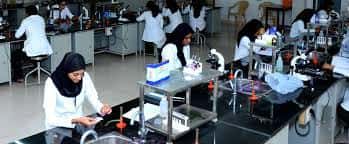
OfficialKaruna College of Nursing is a other institution in Palakkad, established in 2008. Karuna College of Nursing, established in 2008, is a mid-sized private nursing institution located in Palakkad, Kerala, one of South India's prominent healthcare education hubs. The college operates under the Karuna Health Trust, a non-profit organization with a 30-year history in healthcare delivery and education. Situated in the Medical Trust Road area of Palakkad, the institution sits within Kerala's robust health education ecosystem, competing alongside government nursing colleges and other private institutions in a state with one of India's highest nursing graduate densities. The college is strategically positioned near Palakkad Medical College, creating synergies for clinical exposure and collaborative learning. Karuna College offers three primary undergraduate nursing programs: a 4-year Bachelor of Science in Nursing (B.Sc. Nursing), a 3-year Post-Basic B.Sc. Nursing for GNM/ANM holders, and a 2-year Master of Science in Nursing (M.Sc. Nursing) with specializations in Medical-Surgical Nursing, Obstetrical Nursing, Pediatric Nursing, and Psychiatric Nursing. The institution admits 80 students annually in the B.Sc. Nursing program and 30 in Post-Basic B.Sc. Nursing, reflecting its boutique positioning compared to larger government colleges. The academic structure emphasizes a blend of theoretical knowledge and practical clinical experience, with significant clinical placements in hospital settings across Palakkad, Ernakulam, and other Kerala centers. The curriculum follows the Indian Nursing Council (INC) guidelines and is affiliated with the Kerala University of Health Sciences (KUHS), which governs all nursing education standards in Kerala. Core academic strengths lie in clinical nursing practice, community health nursing, and nursing management. The college maintains partnerships with 8-10 primary hospitals and primary health centers for clinical postings, though clinical bed shortages during peak academic periods have been reported by students. Faculty comprise nursing professionals with Master's and some PhD qualifications, though the percentage of PhD-qualified faculty remains below 40%, limiting research output compared to national-tier institutions. The institution has invested in simulation labs, anatomy theaters, and nursing practice laboratories equipped with mannequins for procedural skill training. Library facilities include approximately 8,000 nursing and medical texts, e-journal access, and digital learning platforms. Campus infrastructure is functional but modest: the 2.5-acre campus accommodates classroom blocks, a nursing practice laboratory, a small library, administrative offices, and hostel facilities. Wi-Fi coverage extends across campus, though connectivity fluctuates during peak hours. Campus life centers around nursing club activities, health awareness campaigns, and occasional inter-college nursing competitions. The college does not emphasize student clubs, fest culture, or extracurricular activities beyond nursing-specific programs—a significant differentiator from larger universities. Placement outcomes reflect Kerala's nursing employment market: approximately 78-82% of graduates secure positions within 3-6 months of graduation, predominantly in hospital-based staff nurse roles. Median starting salaries for B.Sc. Nursing graduates range from 220,000–280,000 INR annually, with variations based on hospital sector (private hospitals offer 15-20% higher salaries than government sectors). Top recruiters include Apollo Hospitals, Aster Medcity, Lakeshore Hospitals, government health systems, and domestic healthcare staffing agencies. A notable 12-15% of graduates pursue further studies (M.Sc., M.Phil., PhD) or migrate for employment abroad (Gulf, USA, Australia), reflecting Kerala's tradition of nursing emigration. Notable alumni include Dr. Arun Kumar, Chief Nursing Officer at Aster Medcity; Sr. Leena Mathew, community health project director at Palakkad District Health Authority; and multiple graduates heading nursing units in major hospitals. The college's distinguishing characteristic is its location in Kerala, a state with 100% nursing license success rates and lower graduate underemployment compared to other Indian states. However, intense competition from government nursing colleges (Palakkad Government Nursing College admits 100+ annually at significantly lower fees) and saturation in the local nursing job market are persistent challenges. The college is suited for candidates prioritizing Kerala-based healthcare employment, those seeking smaller batch sizes for personalized attention, and students prepared for modest campus life focused purely on nursing education. It is NOT recommended for those seeking vibrant campus culture, research-intensive environments, or international reputation. Students should expect a professional, work-focused institution where success depends heavily on self-directed learning, clinical initiative, and post-graduation networking. Affordability relative to private colleges is moderate (tuition ₹95,000-120,000 annually), though government college fees (₹5,000-8,000) create a compelling cost comparison. Admission is merit-based through NEET nursing scores and KUHS counseling, with merit ranks determining seat allocation across general, OBC, SC, and ST categories. The college maintains above-average academic standards but remains transparent about its positioning as a tier-2 nursing college in Kerala's competitive landscape.