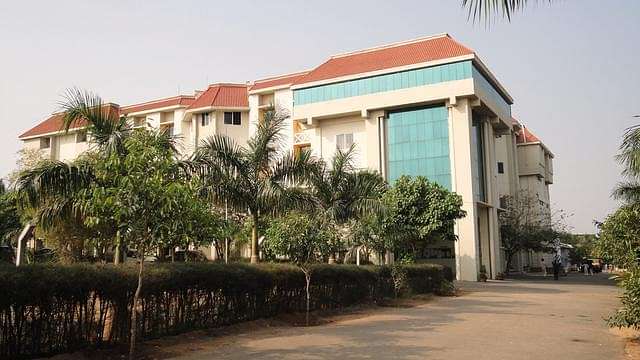
Karpagam College of Engineering
About
OfficialKarpagam College of Engineering is a other institution in Coimbatore, established in 2000. Karpagam College of Engineering, established in 1979, is one of the older private engineering colleges in Tamil Nadu, located in Coimbatore's outskirts. Originally founded as an institute focused on practical engineering education, it has evolved into a multi-disciplinary engineering institution offering undergraduate and postgraduate programs across 15+ engineering disciplines. The college is affiliated with Anna University and has NAAC accreditation (Grade B), making it a moderately reputed institution in the Tamil Nadu engineering ecosystem. Academic Programs: The college offers 8 UG engineering disciplines (Civil, Mechanical, Electrical & Electronics, Electronics & Communication, Computer Science, Information Technology, Chemical, and Automobile Engineering) with intake capacities ranging from 60-180 students per branch. At the postgraduate level, it provides MTech programs in several specializations including Structural Engineering, Power Systems, VLSI Design, and Computer Science & Engineering. The college also offers MBA and MCA programs through its management and computer science schools. Doctoral programs exist but are limited in scope and industry relevance. Academic Strengths & Weaknesses: The institution maintains decent faculty strength with approximately 60% holding postgraduate degrees and 15% pursuing or holding PhDs. The curriculum follows the Anna University framework, which is comprehensive but somewhat rigid. Industry-academia collaboration exists but is not as strong as tier-1 institutions. The college has signed MOUs with a few IT companies and manufacturing firms but partnerships lack depth. Teaching quality varies significantly across departments—CSE and IT departments are relatively stronger, while core engineering departments (Civil, Mechanical) face challenges in faculty retention and research output. Exam-focused teaching methodology is prevalent, limiting innovative pedagogy. Research & Innovation: Research output is modest. The college has established a Research & Development cell and encourages faculty to pursue government-funded projects, but publication rates in peer-reviewed journals remain below national engineering college averages. The campus has basic research laboratories but lacks cutting-edge equipment for advanced research in emerging domains like AI, IoT, and renewable energy. Student innovation initiatives exist through technical clubs but lack institutional support and funding. Placement Record: This is a significant concern. Placement percentage hovers around 65-70% annually, which is below acceptable standards for engineering colleges. Average salary is approximately 4.5-5.2 LPA, with median around 4.2 LPA. Top recruiters include tier-2 IT companies (Infosys, TCS, Wipro, HCL), some banking sector firms, and local manufacturing units. However, mass recruitment from IT companies has slowed in recent years. Core engineering placements are weak—civil and mechanical graduates frequently face unemployment or work below their qualification level. The placement cell lacks proactive industry engagement and career counseling is reactive rather than developmental. Campus Infrastructure: The 45-acre campus is reasonably spread out but aging. Academic buildings are functional but require renovation. The library has approximately 80,000 books and digital resources but spending on new acquisitions is limited. Laboratory facilities for CSE/IT are adequate for basic undergraduate needs but lack advanced systems for research. Sports infrastructure includes cricket ground, badminton courts, and basic gymnasium. Hostel facilities exist but quality is below average with dormitory-style rooms, basic amenities, and frequent water/electricity issues. Internet connectivity across campus is inconsistent—WiFi in academic buildings is spotty, and hostel students often face poor connectivity. Campus Life & Culture: Student life is moderately vibrant. The college conducts annual technical fest (Karpagam Fest), cultural events, and departmental activities. However, student engagement is limited due to academics-heavy approach. Technical clubs exist (Robotics, Web Development, etc.) but struggle with institutional support and faculty mentorship. Sports programs are basic without professional coaching. Ragging is reported occasionally despite institutional policies. Women safety is average—the campus has basic security but incidents of eve-teasing and safety concerns have been reported in surrounding areas. Separate hostels for women exist with slightly stricter rules. Admissions & Cutoffs: Admissions are primarily through JEE Main counseling under TAMILNADU (TNEA) and JEE Main direct admissions. For 2024, cutoff ranks typically ranged from 45,000-120,000 (All India) depending on branch and category. General category cutoffs for CSE were around rank 65,000-75,000, while Civil Engineering saw ranks 110,000+. TNEA cutoff marks vary (approximately 145-165 marks out of 200 for good branches). The college also conducts management quota admissions (approximately 20-30% of seats). Direct admissions through JEE Main scores are transparent and straightforward. Who Should Apply: Karpagam is a reasonable choice for students unable to secure admission in top-tier NITs/IITs but wanting decent engineering education in a semi-urban setting. It suits students from Coimbatore, Tamil Nadu, and neighboring states seeking moderate-ranked private engineering college with acceptable faculty and infrastructure. The CSE/IT programs are relatively better options. Core engineering branches should be considered cautiously due to weak placements. Students prioritizing campus life, research opportunities, or placement excellence should explore better alternatives like Vellore Institute of Technology, SRM University, or PSG College of Technology in the same region. Unique Aspects: The college's long history (45 years), reasonable campus size, established alumni network in Tamil Nadu, and Anna University affiliation provide some credibility. Moderate fees compared to top-tier private institutions make it accessible. Location in Coimbatore (industrial hub) provides some industry interface opportunities, though underutilized.