Kalka Institute for Research and Advanced Studies
About
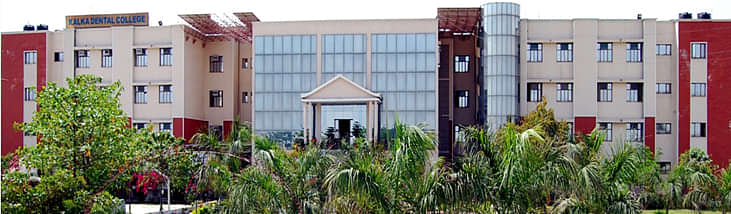
OfficialKalka Institute for Research and Advanced Studies is a other institution in Meerut, established in 2006. Kalka Institute for Research and Advanced Studies in Meerut, Uttar Pradesh, is a lesser-known private educational institution that operates in a highly competitive higher education landscape dominated by IITs, NITs, and established private universities. The institute was established to provide advanced research and academic opportunities in science, technology, and professional education. However, the institution lacks the brand recognition, infrastructural maturity, and placement track record of tier-1 and even tier-2 educational institutions across India. The academic programs offered by Kalka Institute appear to focus on undergraduate and postgraduate studies in engineering disciplines, particularly in emerging fields. The curriculum is designed with an emphasis on practical application and industry relevance, though this is not distinctly differentiated from offerings at competing institutions. The institute positions itself as research-oriented, but without significant government funding or industry partnerships, research output remains limited compared to central or state universities. Placement outcomes at Kalka Institute are a significant concern for prospective students. While the institute conducts campus recruitment drives, the number of top-tier companies visiting the campus is substantially lower than at NIT or IIIT institutions. Most placements are with mid-tier IT companies, manufacturing units, and smaller consulting firms based in North India. The median salary package for engineering graduates is reported to be between 4 to 6 lakhs annually, with highest packages rarely exceeding 12 lakhs. This is considerably below the national average for engineering colleges and represents poor value relative to the fees charged. Campus infrastructure is modest. The hostel facilities exist but are reported to be basic, with limited amenities and irregular maintenance. Internet connectivity is inconsistent across the campus, a significant disadvantage for engineering and research students. The library collection is limited in terms of rare books and specialized journals, though digital access has improved incrementally. Sports facilities are minimal, and the campus does not host major cultural or technical festivals that would provide networking or skill-building opportunities comparable to established institutions. Student life at Kalka Institute is relatively quiet and lacks the vibrant ecosystem present at larger universities. The student community is primarily drawn from Meerut and surrounding NCR regions, with limited diversity. Clubs and societies exist but have minimal participation. The absence of prominent alumni networks means that placement support through referrals is negligible, leaving most students dependent on the institute's limited placement cell. Meerut, the host city, is a tier-3 urban center with limited opportunities for internships or industry exposure outside the campus. While the city has some manufacturing units and smaller service providers, the ecosystem is not comparable to Bangalore, Hyderabad, Delhi, or Pune where major tech companies and startups are concentrated. This geographical limitation directly impacts student career prospects. Admissions to Kalka Institute are typically through direct application, merit-based assessment, or aggregate scores from entrance exams (if applicable). The acceptance rate is very high (often exceeding 80%), which signals low selectivity and raises questions about the peer group quality and competitive learning environment. Who should apply: Kalka Institute should be considered only by students who have exhausted options at NITs, IIITs, and established state universities, and who are unable to secure admission to institutions with stronger placement records and industry connections. Students from economically weaker backgrounds who cannot afford top private universities may consider this option, but they should be aware of placement risks. The institution is NOT recommended for students prioritizing career outcomes, research opportunities, or campus experience. Those with strong academic profiles and ambitions should look elsewhere. Key concerns: The institution's limited brand value in the job market, weak alumni network, modest campus infrastructure, geographical isolation from major job hubs, and inconsistent placement performance make it a risky choice for most students. There is no evidence of significant government support, industry partnerships, or research grants that would justify premium fees. The opportunity cost of spending 4 years and 15-20+ lakhs here versus a better institution or pursuing skill development through online courses is substantial.