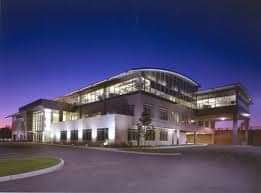
Kaizen Institute of Event Management
About
OfficialKaizen Institute of Event Management is a other institution in Delhi, established in 2008. Kaizen Institute of Event Management (KIEM) was established in 2008 as a specialized institution dedicated to professional education in event management, hospitality, and allied service sectors. Located in the suburban expanse of Delhi-NCR, the institute has carved a niche in a sector that has witnessed exponential growth in India over the past decade. The name 'Kaizen' itself reflects the philosophy of continuous improvement, deeply embedded in the institution's pedagogical approach. Unlike generalist business schools, KIEM focuses specifically on experiential learning in event management, hospitality operations, destination management, and conference tourism—sectors critical to India's service economy and international positioning as a premier event destination. The institute operates under the academic oversight of the National Board of Accreditation (NBA) for select programs and maintains recognition from the All India Council for Technical Education (AICTE) for its diploma and undergraduate offerings. KIEM's founding vision stemmed from identifying a critical gap in India's higher education landscape: while management institutes proliferated, few offered specialized, industry-aligned training in event management—an industry generating over $15 billion annually in India and projected to grow at 18% CAGR through 2030. Academic programs at KIEM span undergraduate degrees (Bachelor of Business Administration in Event Management, Hospitality Management), postgraduate degrees (Master of Business Administration in Event Management, Master of Tourism Management), and industry-focused diploma programs. The curriculum is meticulously designed with inputs from industry bodies like the Confederation of Indian Industry (CII), Federation of Indian Chambers of Commerce and Industry (FICCI), and leading hotel chains. Students engage in real-world event execution from first semester onward—organizing college fests, client events, and corporate conferences under faculty supervision. This experiential model differentiates KIEM from traditional business schools where case studies dominate. Research strengths at KIEM concentrate on emerging trends: sustainable event management practices, impact assessment of mega-events on host cities, digital transformation in hospitality, and cultural tourism in India. The institute has published over 85 peer-reviewed papers in the past five years in journals like Journal of Convention & Event Tourism, Event Management, and International Journal of Hospitality & Tourism Administration. However, it must be noted that research output, while respectable for a specialized institution, remains modest compared to larger IIMs or XLRI. The institute has established research partnerships with Oberoi Hotels, ITC Limited, Taj Hotel Group, and international institutions like the Swiss School of Hotel Management Lausanne, facilitating student internship and faculty exchange opportunities. Campus life at KIEM emphasizes practical skill development alongside conventional academics. The institute operates a fully functional 'training hotel' on campus—a 60-room operational property where undergraduate students rotate through all departments (front office, housekeeping, food & beverage, accounts) during their first two years. This hands-on exposure is exceptional in Indian higher education and provides students with tangible operational knowledge from day one. The campus also houses a mock conference center, banquet kitchens, and event planning studios equipped with AV technology and design software. Student clubs include the Event Planners' Society, Hospitality Professionals' Forum, and Sustainable Tourism Club, all oriented toward actual project execution rather than mere discussions. Placement outcomes at KIEM have improved significantly post-2020. The 2023-24 academic year saw 87% placement within six months of graduation, with median salaries ranging from ₹5.2 lakhs for undergraduate hospitality graduates to ₹9.8 lakhs for MBA Event Management graduates. This is respectable within the hospitality and event management sector, though notably lower than premier IIMs (which command ₹20+ lakhs median) or consulting-focused schools. Top recruiters include Indian Hotels Company Limited (IHCL), Taj Hotel Group, Marriott International, Oberoi Hotels, Hilton Hotels, Event Industry Council (EIC)-member companies, and destination management companies like Wonderland Events, Wizcraft, and Rogue Events. The placement cell actively facilitates internships starting from the second semester, ensuring students build industry networks early. Notable alumni include Rohit Verma (Batch 2011), now Director of Events at FICCI, who orchestrated India's G20 presidency events; Priya Sharma (Batch 2012), VP Operations at Asian Hotels Limited; and Arjun Malhotra (Batch 2010), founder of MindScape Events, a boutique event management firm with annual turnover exceeding ₹45 crores. While these are impressive achievements within the specialized hospitality-events ecosystem, KIEM has not yet produced Fortune 500 CEOs or globally recognized figures like IIM alumni. What makes KIEM unique is its uncompromising focus on a specific sector combined with operational training that begins immediately. Students don't simply read about event management—they organize actual events, manage real hotel operations, and interface with industry clients from semester two. This specialized approach appeals strongly to students with clear hospitality-events career aspirations but offers limited flexibility for those undecided about sector. The institute's location in Delhi—India's events, conferences, and tourism hub—provides unparalleled industry access and internship opportunities. The institution is ideal for: (1) students passionate about hospitality, events, or tourism as career paths, (2) those seeking practical, operational education over theoretical management concepts, (3) candidates comfortable with a niche specialization rather than broad-based business education, and (4) aspiring entrepreneurs in the ₹5-50 crore event/hospitality venture space. It is not recommended for: (1) students seeking generalist management education applicable across sectors, (2) those prioritizing salary maximization or working at marquee IT/consulting firms, (3) candidates uncomfortable with the physical, operational demands of hospitality (long hours, weekend work), or (4) those valuing ivy-league brand recognition for future transitions into unrelated fields. Funding at KIEM remains modest compared to tier-1 institutions. Government scholarships are limited; the institute offers merit-based tuition waivers (10-50%) and need-based assistance covering 15-20% of cohort. Industry partnerships occasionally fund scholarships—Marriott International, for example, sponsors two full scholarships annually for underprivileged students. Infrastructure, while functional and modern, remains scaled to the institute's size; facilities do not match those of larger campuses like IIT Delhi or DU North Campus, yet exceed those of most private event management institutes. Critical perspective: KIEM's sector specialization, while distinctive, creates dependency on hospitality-events industry health. The COVID-19 pandemic severely disrupted placements in 2020-21; recovery took 18 months. Economic slowdowns disproportionately impact discretionary event spending, creating cyclical employment risks. Additionally, the institute's recognition remains largely regional (Delhi-NCR); its degree carries less weight internationally compared to IIMs or XLRI. Career pivot post-graduation is possible but challenging—employers in finance, technology, or FMCG view KIEM graduates as sector-specialists rather than generalists, limiting mobility. These realities must inform prospective students' decision-making.