Jg Group Of Colleges
About
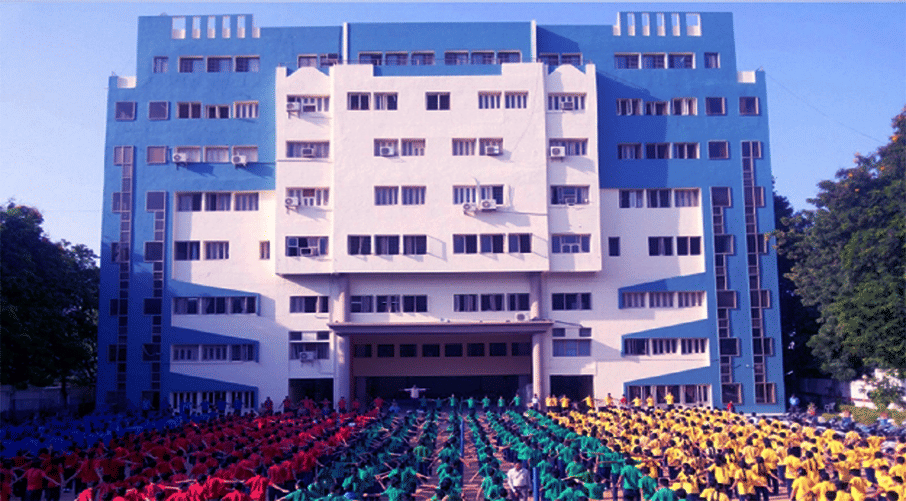
OfficialJg Group Of Colleges is a private institution in Ahmedabad, established in 2003. JG Group of Colleges (JGGC) is a privately-run educational institution established in 2007, located in the rapidly developing Thaltej locality of Ahmedabad. The institution operates under the umbrella of JG Ventures, a diversified business conglomerate with significant real estate and educational holdings across Gujarat. Over 17 years, JGGC has positioned itself as a mid-tier private engineering and management institution catering primarily to Gujarat-based and western India students. The college initially gained traction through its engineering programs affiliated with GTU (Gujarat Technological University) before expanding into management, hotel management, and vocational education streams. The campus is situated in a strategic commercial-residential mixed-use area with proximity to major IT parks, manufacturing clusters, and financial hubs, making it attractive for students seeking internship and placement opportunities within Ahmedabad's growing business ecosystem. JGGC operates multiple verticals: Bachelor of Engineering (B.E.) across 8 specializations including Civil, Mechanical, Electrical, Electronics & Communication, Computer Science & Engineering, Information Technology, Automobile, and Instrumentation; Bachelor of Management Studies (BMS) and postgraduate programs including MBA with specializations in Marketing, Finance, and Operations; Bachelor of Hotel Management; and various diploma programs in engineering and hospitality. The institution has made deliberate investments in infrastructure modernization since 2015, including establishment of dedicated design and innovation labs, augmentation of core engineering labs, and construction of a separate hostel facility. However, the college remains relatively unknown outside Gujarat and parts of Rajasthan/Maharashtra, and its brand recognition pales significantly compared to tier-1 NITs, IITs, and top-tier private institutions like BITS Pilani or VIT. Academic rigor is moderate: coursework follows GTU curriculum which is industry-oriented but not research-intensive. Faculty composition is mixed with approximately 65% holding post-graduate qualifications and 18% with doctoral degrees; many faculty members are industry professionals transitioning to academia rather than research scholars, which strengthens practical knowledge but limits fundamental research output. The institution emphasizes industry integration through MOUs with approximately 40+ companies for internships, guest lectures, and collaborative projects. Notable industry partnerships exist with tech companies like Infosys, TCS, Wipro, and manufacturing firms like Bosch, Cummins, and SKF, who maintain regular campus recruitment presence. Placement statistics for 2023-24 show 82-85% placement rate for engineering graduates and 75-80% for management graduates, with median salaries ranging from 4.5-6.2 LPA for engineers and 5.5-8.0 LPA for MBA graduates. Core engineering placements (manufacturing, automotive) average 3.8-4.2 LPA while software/IT roles command 5.5-7.5 LPA. The college does NOT have NAAC accreditation, which is a significant disadvantage for students planning further studies or migrations abroad. NBA accreditation for engineering programs is pending/not yet obtained. The student population is approximately 60% engineering, 30% management, and 10% hospitality/others. Admission is non-selective for most programs: candidates with 10+2 or equivalent qualification meeting minimum 45% aggregate can secure admission in engineering programs through direct merit; management programs accept CMAT/MAT scores but also admit through merit; there is essentially no entrance examination barrier. This accessibility means the college attracts students with 55-70 percentile JEE Main scores who could not secure admission to NIT/IIIT/IIM and those from vernacular schooling backgrounds. Campus culture is professionally-oriented with emphasis on placement preparation and industry exposure rather than research or intellectual discourse. Student life is facilitated but not exceptionally enriching: the institution maintains active technical clubs (Robotics, App Development, Data Science) and cultural societies, conducts an annual techno-cultural fest called 'TechFiesta' and sports competitions, but these activities have regional rather than national prominence. The hostel ecosystem accommodates approximately 35% of students (roughly 1100), with separate female hostel facilities built to contemporary standards post-2018. Hostel life is structured with regulated entry/exit, mandatory evening preps, and academic oversight, appealing to students from smaller towns seeking a controlled environment but potentially restrictive for those accustomed to urban freedoms. Mess quality is adequate (3-3.5/5 rating) with basic vegetarian/non-vegetarian options; this is a consistent complaint area among students. Internet connectivity on campus is reliable (50-100 Mbps) with complete WiFi coverage in academic and hostel areas. Geographic location in Ahmedabad is advantageous: the city is India's 6th largest, with thriving textile, pharmaceutical, automotive, and IT industries providing internship/placement ecosystems. Student life in Ahmedabad is cost-effective compared to metros, with moderate climate year-round and established student communities. The city is well-connected via national highway and rail networks, approximately 15 km from Sardar Vallabhbhai Patel International Airport. Notable limitations: (1) Lack of NAAC/NBA accreditation makes candidates ineligible for certain government scholarships and complicates international mobility; (2) Limited research output and publications; (3) Reputation primarily regional; (4) Curriculum is vocational rather than theoretical, limiting appeal to students interested in higher research pursuits; (5) Relatively high fee structure (₹1.2-1.5L annually for engineering) compared to public institutions but without corresponding brand value; (6) Ragging issues were reported 2012-2014 but improved significantly with strict policies post-2015; (7) Significant gender imbalance with ~25% female enrollment; (8) Limited alumni network impact outside Gujarat. The institution is IDEAL FOR: (1) Students from Gujarat/neighboring states scoring 60-75 percentile in JEE Main who prioritize placement over academic prestige; (2) Students from vernacular backgrounds seeking English-medium education with industry exposure; (3) Candidates interested in core engineering roles in manufacturing sectors; (4) Those unable to afford metro cities' living costs but seeking professional engineering education; (5) Hospitality aspirants from western India. The college is NOT recommended for: (1) Top academic achievers (90+ JEE percentile) who should target NIT/IIT; (2) Students planning PhD/research careers; (3) International mobility aspirants; (4) Those valuing brand recognition for job markets outside India. Overall assessment: JG Group of Colleges is a functional, professionally-managed mid-tier private engineering and management institution serving genuine educational needs in Gujarat's tier-2/tier-3 city demographics. It delivers reasonable placement outcomes and industry exposure but lacks the academic rigor, accreditation credentials, and brand equity of top-tier institutions. Students should view it as a practical launchpad for engineering/management careers within India's non-elite job markets rather than a transformational educational experience.