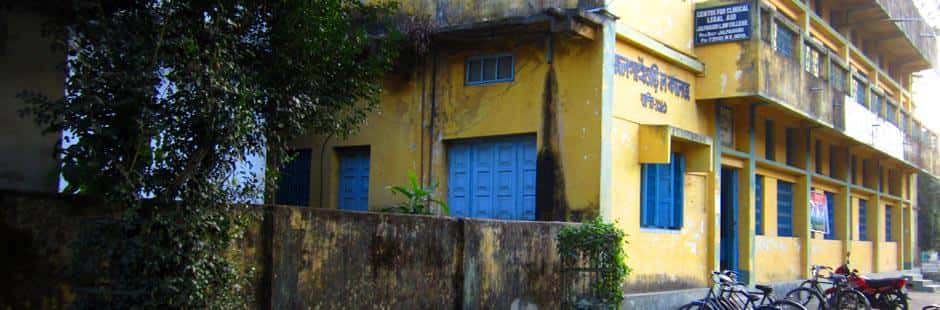
Jalpaiguri Law College
About
OfficialJalpaiguri Law College is a other institution in Jalpaiguri, established in 1981. Jalpaiguri Law College was established in 1987 as a government-aided institution under West Bengal law, marking a significant milestone in legal education accessibility in the Jalpaiguri district. Located in the serene foothills of North Bengal, the college operates under the jurisdiction of the University of North Bengal and is recognized by the Bar Council of India (BCI). The institution has evolved from a modest beginning to become one of the prominent law colleges in the region, serving students from diverse socioeconomic backgrounds. The college's founding philosophy centered on democratizing legal education and producing legally-conscious citizens who could serve the local community and broader Indian society. Over 35+ years, Jalpaiguri Law College has established itself as a stable, consistent performer in legal education with particular strengths in constitutional law, criminal law, and Indian jurisprudence. The college offers a 5-year integrated Bachelor of Laws (BA LLB) program under the AICTE-approved curriculum and a 2-year LLB program for graduates. Academic rigor at the college is maintained through regular seminars, moot courts, and legal aid clinics. The curriculum emphasizes both traditional black-letter law and practical legal skills, with increasing focus on emerging areas like technology law, environmental law, and ADR mechanisms. The college maintains a reasonably equipped law library with over 8,000+ volumes covering Indian and Commonwealth legal resources. Faculty members regularly engage in legal research with publications in regional and national law journals. The placement record stands at approximately 55-65% for the integrated program, with graduates primarily finding positions in government law offices, district courts, private law firms, and legal departments of organizations. Notable alumni include practicing advocates in various High Courts, government legal officers, legal consultants, and social justice advocates working in NGOs. The college maintains close ties with district courts and bar associations, facilitating mentorship and internship opportunities. The infrastructure, while functional, reflects typical government college standards with limited modern facilities. The hostel accommodates around 80-100 students in separate blocks for men and women. Campus life revolves around legal societies, moot court competitions, and annual law fest celebrating legal discourse. The institution is particularly strong for students from economically weaker sections due to its affordable fee structure and accessible location near the district headquarters. The college culture emphasizes legal ethics, constitutional values, and social responsibility. Students benefit from the college's location near Jalpaiguri, which provides adequate exposure to local legal practice without the overwhelming metropolitan pressure. Who should apply: Students genuinely interested in practicing law in smaller cities and towns, those from North Bengal seeking affordable legal education, aspirants interested in government legal services, and individuals committed to using law for social justice. The college is not ideal for those seeking metropolitan legal network connections or aspirations toward top corporate law firms based in major metros, though such paths remain possible with exceptional performance.