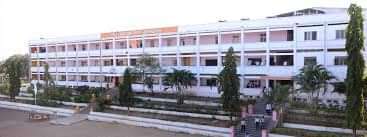
Jagruti Institute of Technology
About
OfficialJagruti Institute of Technology is a other institution in Hyderabad, established in 2004. Jagruti Institute of Technology (JIT), established in 2003, is a private engineering college located in Kukatpally, Hyderabad, Andhra Pradesh. Situated proximate to JNTU Hyderabad's main campus, JIT serves approximately 3,200 undergraduate and postgraduate students across multiple engineering disciplines. The institution operates with a mission to blend theoretical rigor with practical skill development, positioning itself as an accessible engineering education alternative to top-tier institutions. Academic Programs: JIT offers undergraduate B.Tech programs in Electronics & Communication Engineering (ECE), Computer Science & Engineering (CSE), Electrical & Electronics Engineering (EEE), Mechanical Engineering (ME), and Civil Engineering (CE). Postgraduate M.Tech programs are available in Power Systems, Embedded Systems, Digital Systems, and Machine Learning. The college also operates a 3-year Diploma program in various engineering branches and offers vocational certification programs in emerging technologies like AI, IoT, and Cloud Computing. All programs follow the JNTU Hyderabad curriculum, ensuring curriculum alignment with regional engineering standards. Academic Strengths: The institution emphasizes practical learning through dedicated electronics labs, computer centers with modern equipment, and hands-on training in emerging technologies. Faculty members are predominantly M.Tech/M.E holders with 30-40% holding doctoral qualifications. The college maintains tie-ups with organizations like TCS, Infosys, and tech startups for guest lectures, internships, and project collaborations. A dedicated Innovation Lab encourages student-led projects in AI, IoT, and renewable energy sectors. Placement Performance: JIT has maintained 85-92% placement rates over the past three years. Average package stands at INR 5.8 lakhs for 2023-24, with highest packages reaching INR 18 lakhs in software engineering roles. Core engineering positions average INR 4.5-5.2 lakhs. Top recruiters include TCS, Infosys, HCL, Wipro, Amazon, Microsoft, and various mid-sized product companies. The placement cell operates year-round, offering soft skills training, mock interviews, and LinkedIn profile building workshops. Research & Innovation: The college operates a modest research ecosystem with active projects in IoT applications, renewable energy systems, and machine learning applications. Faculty publications in conference proceedings and journals are average for tier-2 engineering institutions. Industry collaborations with small-to-medium enterprises provide practical research exposure but lack prestigious national research grants. Campus Infrastructure: The 12.5-acre campus houses 4 academic blocks with 60+ classrooms, a dedicated computer center with 300+ systems, 15 specialized laboratories (Electronics, Power Systems, Thermal, Fluid Mechanics, etc.), a library with 35,000+ books and digital resources, and a cafeteria. Sports facilities include a volleyball court, badminton court, and indoor games area. The campus has WiFi coverage across academic areas and hostels. Notably, the campus lacks an on-campus swimming pool and stadium, common in tier-1 institutions. Hostel & Student Life: On-campus accommodation is available in 3 hostels (2 boys', 1 girls') with approximately 1,200 beds. Hostel rooms are 2-3 seater configurations with basic furnishings. Mess provides vegetarian and non-vegetarian meals at INR 3,200-3,800/month. Quality varies; morning breakfast receives consistent feedback as below-average. The college operates multiple technical clubs (Robotics, Coding, IoT), cultural societies (Dance, Music, Drama), and sports teams. Annual festivals include TechFest (technical competition), Culturals (music/dance performances), and Sports Day. Student feedback indicates moderate campus vibrancy compared to top-tier colleges. Admissions & Selection: JIT admits students through multiple channels: EAMCET (for TS/AP candidates), JEE Main counseling, and direct merit-based admissions. For the 2024-25 academic year, the college received approximately 4,200 applications across all programs, with an intake capacity of 1,200 students (including all programs), resulting in acceptance rates around 28-32%. No entrance examination is required for direct admissions to diploma programs. Fees & Affordability: B.Tech annual fees range from INR 1,10,000-1,35,000 depending on branch, making JIT approximately 40-50% cheaper than comparable private engineering colleges in Hyderabad (VITU, CBIT pricing). M.Tech programs are priced at INR 1,50,000-1,80,000 annually. This affordability is a significant draw for middle-income families and first-generation engineering students. Scholarship schemes covering 25-50% tuition are available for students scoring above 90% in Class 12 or top 20 percentile in entrance exams. Regulatory & Accreditation: JIT is recognized by AICTE and affiliated with JNTU Hyderabad, ensuring degree validity. The institution holds NAAC accreditation (Grade B+, last reviewed 2022). NBA accreditation for individual engineering programs (CSE, ECE, ME) was achieved in 2021 but lapsed in 2023 due to non-renewal, a concern flagged by some employers. The college has initiated re-accreditation processes. Who Should Apply: JIT is ideal for engineering aspirants from tier-2 cities in Telangana and Andhra Pradesh seeking affordable, quality engineering education with reasonable placement outcomes. Students prioritizing practical skills, startup exposure, and cost-effectiveness will find value. However, those aspiring for tier-1 campus life, comprehensive research ecosystems, or guaranteed top-company placements should consider NIT Warangal, JNTU Hyderabad, or premier private institutions like CBIT/VITU. Notable Limitations: The institution lacks a strong alumni network compared to 20+ year old colleges; research output remains modest; placement concentration in mid-tier IT companies rather than FAANG; hostel facilities are basic; and faculty turnover in emerging technology areas remains elevated. Sports infrastructure is underdeveloped. The college's proximity to JNTU campus, while advantageous for resource sharing, sometimes creates identity confusion among external stakeholders. Overall Position: JIT represents a pragmatic choice for engineering education in Hyderabad's suburban belt—offering decent academics, workable placements, and significant cost savings relative to tier-1 private alternatives, but without the prestige, research depth, or premium campus experience of established institutions.