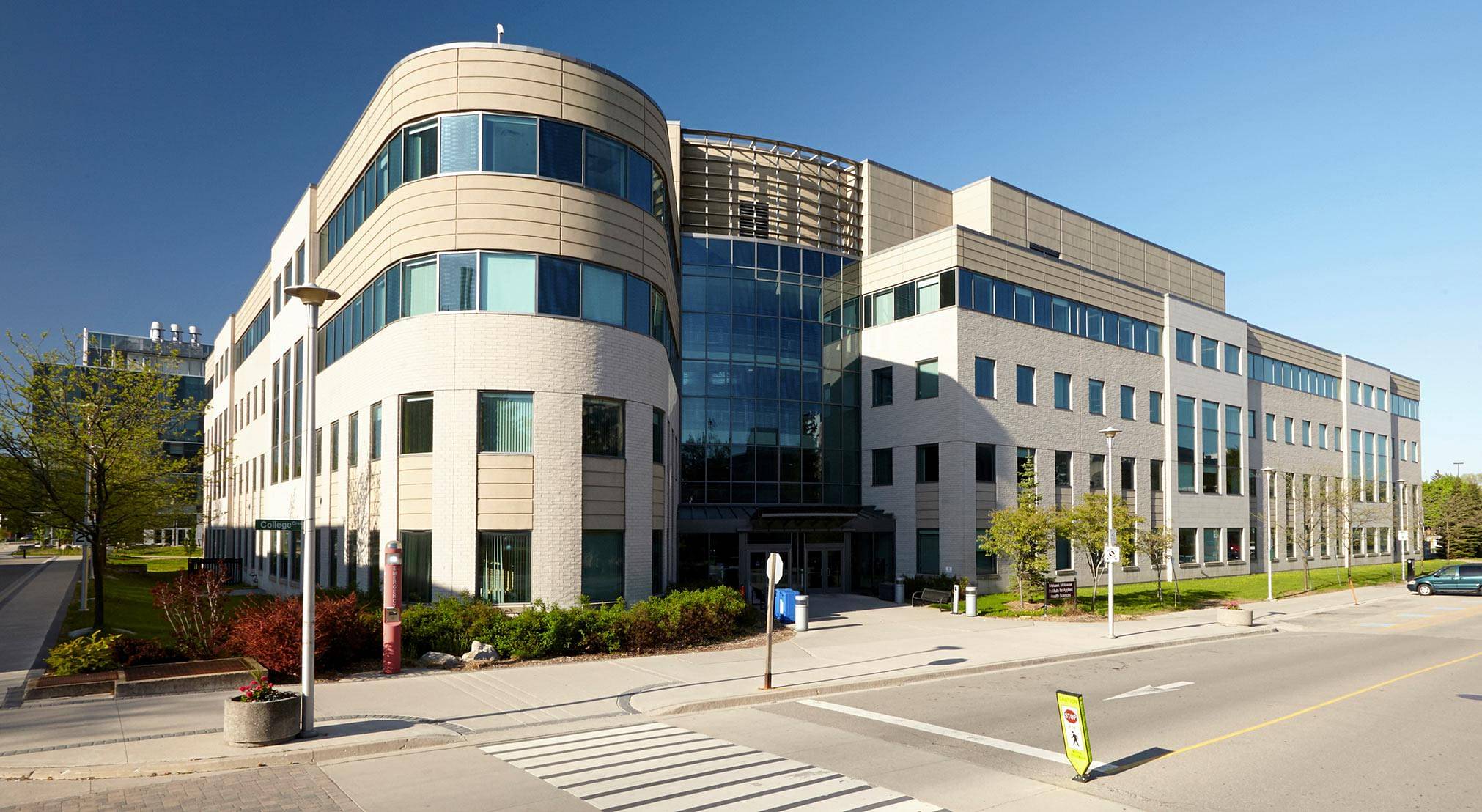
Institute of Rehabilitation Sciences
About
OfficialInstitute of Rehabilitation Sciences is a other institution in New Delhi, established in 2004. The Institute of Rehabilitation Sciences (IRS), New Delhi, is an autonomous institution established in 1989 and recognized under the Ministry of Education. It operates as a leading center for higher education in rehabilitation medicine, physical therapy, occupational therapy, and clinical psychology. Positioned within the prestigious All India Institute of Physical Medicine and Rehabilitation (AIIPMR) campus in Mehrauli, south Delhi, IRS has carved a specialized niche in healthcare education that serves India's growing rehabilitation sector. The institute's founding was driven by the critical need for trained rehabilitation professionals in India, addressing a significant gap in the country's healthcare infrastructure. Over three decades, IRS has evolved from a small vocational training center to a comprehensive academic institution offering undergraduate, postgraduate, and doctoral programs in rehabilitation sciences. The campus location in Mehrauli provides a semi-urban setting with relatively peaceful surroundings, distinct from the chaos of central Delhi, yet maintaining good connectivity to major hospitals, research centers, and professional networks. IRS operates under a specialized academic framework aligned with clinical practice, giving it a unique position among Indian higher-education institutions. Unlike general universities, IRS maintains tight integration with AIIPMR hospital and rehabilitation departments, allowing students direct access to patient populations and real-world clinical experience. This has positioned IRS as one of India's primary feeders of rehabilitation professionals to hospitals, NGOs, and government health programs. The institute's academic philosophy emphasizes evidence-based practice, emerging research in rehabilitation, and developing professionals equipped for both clinical excellence and research contributions. Programs are structured around four-year integrated courses for UG students and two-year courses for PG students. Faculty members combine academic expertise with active clinical practice, ensuring curriculum relevance. Research is positioned as a core component of the institution's identity, with emphasis on disability management, neurological rehabilitation, orthopedic rehabilitation, and community health approaches. The institute has partnerships with international universities for student exchanges and collaborative research. IRS lacks the massive infrastructure and scale of major government colleges, but compensates through specialized focus, smaller class sizes (15-25 students per cohort), and individualized attention. Clinical placements occur at AIIPMR, Delhi's leading government hospitals (AIIMS Delhi, RML Hospital), and private healthcare chains (Fortis, Apollo). This exposure gives graduates practical insights into varied healthcare delivery models. Campus life at IRS is distinctly professional and purpose-driven. Unlike sprawling universities with vibrant social scenes, IRS cultivates a focused, clinically-oriented culture. Student engagement centers on case study discussions, research seminars, conferences, and clinical skill development rather than large cultural festivals. Sports facilities exist but are minimal compared to major institutions. The student community is more diverse in age and background, as the program attracts career-changers and healthcare professionals upgrading their qualifications. Hostel facilities are available but limited—primarily serving students from outside Delhi. On-campus accommodation is not luxurious but functional and affordable. Placement outcomes in rehabilitation sciences are excellent relative to the small graduating cohort. Most graduates secure employment within 1-2 months, though salary ranges (₹3-6 lakhs per annum for entry-level roles) are significantly lower than engineering or management graduates. This reflects the fact that rehabilitation is healthcare, not IT/consulting. Career progression is steady; professionals with 3-5 years experience commonly earn ₹8-12 lakhs. The job market for rehabilitation graduates is strongly government-focused, with NRHM (National Health Mission), various state health departments, and AIIMS systems employing significant numbers. Private hospital chains increasingly recruit IRS graduates. International placements, particularly in Gulf countries and UK, have grown for experienced professionals. Notable alumni include directors of rehabilitation centers across India, published researchers in international journals, and consultants to WHO India. The institute's unique position in India's healthcare education landscape makes it the obvious choice for students aspiring toward clinical rehabilitation careers. It is NOT suitable for students seeking MBA-style management education, research-only academic paths, or high IT-sector salaries. IRS excels for students with genuine interest in patient care, disability support, and making healthcare accessible. The institute deliberately remains small and specialized—not aiming to compete with mass-enrollment universities but rather to maintain quality standards in a niche sector where India faces chronic professional shortages.