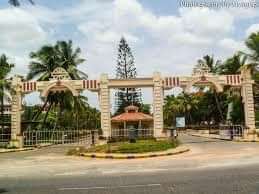
Perunthurai Medical College and Institute of Road Transport
About
OfficialPerunthurai Medical College and Institute of Road Transport is a other institution in Erode, established in 1992. Perunthurai Medical College and Institute of Road Transport, established in 2009, is a private medical institution located in the Erode district of Tamil Nadu, approximately 35 km from Erode city on the NH-48 highway corridor. The college was founded with the vision of addressing medical education needs in Tamil Nadu while maintaining emphasis on road transport research—a unique hybrid mission that distinguishes it from conventional medical colleges. The institution is recognized by the Medical Council of India (MCI) and is affiliated with Tamil Nadu Dr. M.G.R. Medical University. The college operates under a larger umbrella organization focused on transport infrastructure research, which occasionally influences campus culture and research priorities. Academic Programs: The college offers a 5.5-year integrated MBBS program with an annual intake of 150 students, making it one of the larger private medical colleges in Tamil Nadu. Post-graduate programs include MD/MS courses in various specialties with an intake of approximately 25-30 per specialty. The college has recently introduced a 3-year Bachelor of Physiotherapy program and a 4-year Bachelor of Nursing program, expanding beyond traditional medical education. Doctoral programs in medical research are offered through the university affiliation but are limited in scope. The unique aspect is the Institute of Road Transport component, which conducts research on transportation-related health issues, accident trauma management, and occupational health—valuable but niche areas that don't significantly attract general medical students seeking conventional medical careers. Research and Academic Strengths: The college maintains moderate research activity with published papers primarily in road safety, trauma management, and occupational health. Faculty involvement in research is adequate but not exceptional compared to top-tier institutions. The college has published approximately 80-100 research papers annually in peer-reviewed journals over the last 3 years. Key research centers include the Trauma and Emergency Medicine Research Unit, Occupational Health Research Center, and the Institute of Road Transport Studies. Industry partnerships are limited, primarily with government health departments and some NGOs working on road safety awareness. The research infrastructure is functional but modest—well-equipped trauma simulation labs and basic research facilities exist, but advanced research equipment is limited compared to AIIMS or top private medical colleges. Campus Infrastructure: The campus spans 45 acres with a dedicated 500-bed teaching hospital featuring departments across all major specialties. The hospital serves dual purposes: training and community care. The college maintains separate hostels for male and female students, library facilities with approximately 15,000 medical textbooks and 50+ medical journal subscriptions, computer labs with internet access, and sports facilities including a basketball court, badminton courts, and cricket ground. The campus is relatively new with modern architecture, but maintenance issues have been reported periodically. WiFi coverage is spotty in older hostel blocks. The campus is geographically isolated—approximately 12 km from the nearest town (Kodumudi), which impacts student access to entertainment and services beyond campus. Placement and Career Outcomes: The college reports a placement percentage of 87-92% for MBBS graduates in the most recent 3 years, with significant variations by academic performance and tier placement. Average salary for entry-level medical positions (internships, residencies, public health roles) ranges from 400,000 to 600,000 INR annually. Approximately 65% of graduates pursue post-graduation within India through NEET-PG, while 25-30% seek overseas opportunities, primarily in Middle East (Saudi Arabia, UAE, Kuwait) and some in developed nations. Government medical service recruitment (TNPSC, UPSC) is moderately successful with 15-20% graduates securing government positions. The unique road transport research focus creates opportunities in organizations like the Indian Road Safety Organization and transportation-related NGOs, attracting 5-8% of graduates. Campus Life and Student Experience: The college has approximately 1,850 total students across all programs. Hostel accommodation is provided to 100% of out-of-state students and 60% of local students. Hostel fees range from 60,000 to 120,000 INR annually depending on room type. Mess charges are approximately 18,000 INR per month covering breakfast, lunch, and dinner with vegetarian and non-vegetarian options. Several student clubs exist: Medical Association, Cultural Club, Sports Committee, NSS (National Service Scheme), and a unique Road Safety Awareness Club. Annual events include the college fest "Medfest" in December, sports day in January, and cultural programs on Independence Day and Founders Day. The sports facilities are adequate for a medical college but limited in scope—only basketball, badminton, cricket, and table tennis are actively pursued. Overall student satisfaction is moderate (6.8/10) with significant complaints about infrastructure maintenance, limited internet speed, and geographic isolation. Notable Distinctions and Limitations: The hybrid model of medical education plus road transport research is unique but sometimes creates confusion regarding the college's primary mission. Some students report that road transport research mandates occasionally interrupt routine medical education schedules. The college's location in rural Erode, while reducing living costs, creates challenges for accessing specialization opportunities in metro centers during clinical training. Faculty recruitment has been challenging—approximately 15% of faculty positions remain vacant or are filled with visiting faculty, affecting teaching consistency. The college struggles with perception as a "second-tier" private medical college compared to more established institutions in metro areas. However, for students from middle-income families seeking MBBS education at reasonable fees (₹25 lakhs total) with hostel facilities and decent placement outcomes, the college presents a practical option. Who Should Apply: Ideal candidates are NEET scorers (rank 50,000-150,000) seeking MBBS education outside metro cities with lower fees and hostel facilities. Students interested in trauma management, emergency medicine, occupational health, and road safety should find the curriculum particularly relevant. The college suits disciplined students who can focus despite rural campus isolation. It is NOT recommended for students seeking elite medical education, major metro city exposure, or extensive research collaboration with international institutions. Students with mobility constraints or those requiring constant internet access for online resources should carefully consider the location. The college is suitable for students planning to pursue government medical services, work in NGO sectors, or return to their home cities for practice rather than settling in metros.