Intell Engineering College
About
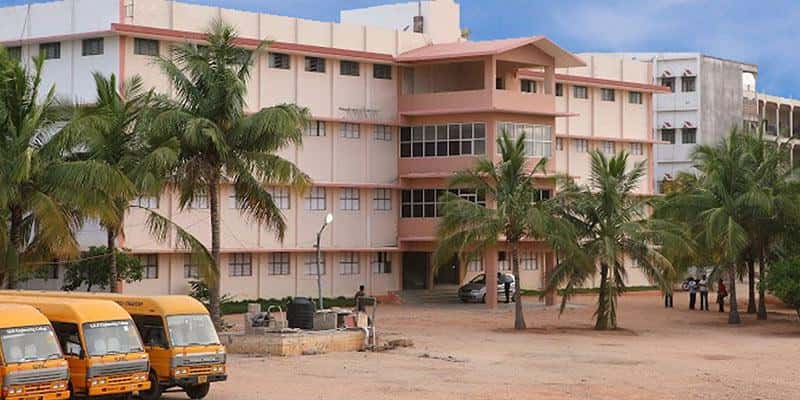
OfficialIntell Engineering College is a other institution in Anantapur, established in 1998. Intell Engineering College (IEC) was established in 2007 as a private engineering institution in Anantapur, Andhra Pradesh, with the mission to provide quality technical education and produce industry-ready engineers. Located in a semi-urban setting approximately 8km from Anantapur city center, the college has grown to become one of the region's recognized engineering colleges, though it remains relatively unknown outside Andhra Pradesh. The college is affiliated with JNTU Anantapur and offers undergraduate and postgraduate engineering programs across diverse disciplines. Currently, it operates six undergraduate branches: Civil Engineering, Mechanical Engineering, Electrical and Electronics Engineering, Electronics and Communication Engineering, Computer Science and Engineering, and Information Technology. The college also offers Master's programs in Structural Engineering, Power Systems, and VLSI Design, catering to students seeking advanced technical expertise. Academically, Intell Engineering College focuses on a curriculum balancing theory and practical application. The institution emphasizes laboratory work, project-based learning, and industry-oriented training. The college has established collaborations with various industries including Vizag Steel, Singareni Collieries, and several automotive component manufacturers, though these are primarily for internship placements rather than research partnerships. The college conducts regular industry interaction programs and guest lectures to expose students to real-world engineering challenges. Placement performance at IEC has been moderate, with approximately 65-70% of graduating students securing positions in the 2023-24 academic year. The median package hovers around 4.2 LPA, with top students from Computer Science and IT branches receiving packages up to 9-10 LPA from companies like Accenture, Infosys, and TCS. However, placements remain concentrated in IT and software services; core engineering placements are limited. Many civil and mechanical engineering graduates pursue government sector jobs (ISRO, NTPC, etc.) or opt for further studies. The campus is modest but functional, spread across 45 acres with basic infrastructure including 6 academic blocks, a library with approximately 25,000 volumes, computer labs with around 200+ systems, and a learning resource center. The college has invested in recent years to improve its facilities, though some infrastructure remains dated. The sports complex includes a volleyball court, badminton courts, and a small gymnasium. Wi-Fi coverage is campus-wide but connectivity speeds are often inadequate during peak hours. The hostel infrastructure has seen recent upgrades with new blocks for boys and girls, though quality remains basic. Campus life is relatively vibrant for a college of this scale. The college organizes several annual events including 'Technomania' (technical fest), 'Culturama' (cultural fest), and various departmental competitions. Student clubs cover technical areas (robotics, programming), cultural activities, and sports. However, the intensity of campus activities pales compared to top-tier engineering colleges. The majority of students are from Andhra Pradesh and neighboring states, with limited national diversity. Faculty strength stands at approximately 140 members, with about 35% holding PhDs. The faculty-to-student ratio is reasonable (1:13), though faculty expertise in niche areas is limited. Most faculty members are experienced practitioners but research output is minimal. The college does not have significant research centers or publications in reputable journals. Anantapur is a Tier-3 city located in Rayalseema region, known for its granite mining industry. The city offers limited social and entertainment options for students. However, it is well-connected by rail and bus services to Bangalore, Hyderabad, and Chennai, making weekend travel feasible. Living costs are significantly lower than metro cities, making it financially accessible for middle-income families. The climate is semi-arid with hot summers (May-June reaching 40°C+) and moderate winters. Intell Engineering College is best suited for students seeking affordable, quality engineering education in a relatively calm, focused study environment without the distraction of metropolitan living. It works well for students from AP and Telangana who prioritize engineering fundamentals and steady placements over prestige or cutting-edge research. However, students aspiring for top tech companies, advanced research, or a vibrant cosmopolitan campus experience should consider alternatives. The college's strengths lie in accessible education, decent basic infrastructure, and reliable IT sector placements. Weaknesses include limited research culture, modest campus facilities, geographical remoteness from major tech hubs, and moderate placement percentages compared to tier-1 institutions.