INSTITUTE OF LEATHER TECHNOLOGY
About
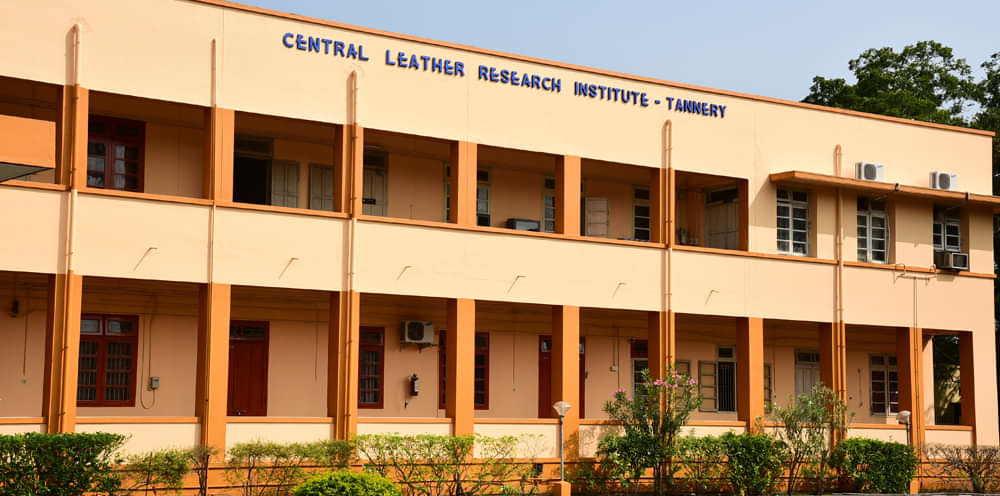
OfficialINSTITUTE OF LEATHER TECHNOLOGY is a other institution in Chennai, established in 1915. The Institute of Leather Technology (ILT), established in 1963 in Chennai, is one of Asia's premier institutions dedicated exclusively to leather technology, leather goods production, and related sciences. It operates under the Ministry of Commerce & Industry, Government of India, and serves as a national hub for leather technology education and research in India. ILT is recognized as a Category I Institution under the National Centre of Excellence scheme. Historical Context: Founded during post-independence India's efforts to strengthen traditional industries with modern scientific approaches, ILT emerged from the recognition that India's leather industry needed skilled technologists trained in contemporary methods. The institute was initially established with assistance from the United Nations Development Programme (UNDP) and international collaborative expertise. Academic Programs: ILT offers a distinctive portfolio of undergraduate and postgraduate programs focused on leather technology, leather goods design, footwear technology, and leather business management. Unlike broader engineering colleges, ILT specializes exclusively in leather-related disciplines, giving it unparalleled depth and industry alignment. The institute offers B.Tech (Leather Technology), B.Tech (Footwear Technology), M.Tech programs, MBA (Leather Business), diploma programs, and short-term skill development courses. This niche specialization is both a strength and a limitation—students get world-class expertise in a specific domain but limited interdisciplinary options. Research & Innovation: ILT operates multiple research centers focusing on sustainable leather processing, eco-friendly tanning technologies, waste management in leather production, and advanced footwear design. The institute has invested significantly in state-of-the-art research laboratories, pilot tanneries, and testing facilities that mirror industrial operations. Faculty members actively collaborate with the leather industry on product development, process optimization, and sustainability solutions. The institute has been instrumental in advancing cleaner production technologies in India's leather sector. Academic Quality: The curriculum is continuously updated in consultation with industry bodies, leather associations, and international institutions. While the faculty research output and publications are respectable within the niche, the institute doesn't command the same competitive research prestige as tier-1 IITs or NITs. However, within leather technology globally, ILT faculty are recognized experts. International collaborations exist with renowned leather technology institutes in Europe and other continents. Placement & Industry Alignment: ILT enjoys exceptional placement rates (95%+ in recent years) primarily because the industry has a dedicated talent pipeline need. Graduates are absorbed by major leather manufacturers, footwear brands, export houses, and tanneries across India and globally. The institute maintains strong relationships with industry, and many alumni hold senior positions in leather companies, which strengthens placement cycles. However, placement diversity is limited—most placements are within the leather sector specifically. Starting salaries for B.Tech graduates typically range from 4-6 LPA, with senior roles reaching 12-18 LPA. Campus Life & Infrastructure: The campus is located in Adyar, a relatively peaceful residential area of Chennai, though not in the most vibrant student zone. The institute has modern hostel facilities, a well-stocked library with specialized journals and databases on leather technology, quality sports facilities, and an active student community. The culture is more professionally oriented compared to general engineering colleges—there's significant focus on technical competitions, industry projects, and entrepreneurship within the leather domain. Student clubs exist for technical pursuits, traditional activities, and sports. Annual technical fest, leather design competitions, and industry symposiums are regular features. Facility Standards: Labs are industry-standard with tanning equipment, footwear manufacturing machinery, quality testing apparatus, and CAD/design software. These aren't dated facilities—the institute has invested in modern, relevant equipment. The library houses specialized databases, industry journals, and leather science literature. WiFi coverage is available across campus, though connectivity quality varies. Location & City Context: Chennai is India's fourth-largest metro with significant leather industry presence. The institute's Adyar location offers access to the city's amenities while maintaining a quieter campus environment. The leather cluster in North Chennai (Ambur, Vellore region) provides internship and project opportunities. Living costs are moderate compared to metro cities like Delhi or Mumbai. The city's humid tropical climate requires adjustment for students from cooler regions. Who Should Apply: ILT is ideal for students genuinely interested in leather technology, footwear design, or leather-related business—not for those exploring engineering broadly or seeking maximum career flexibility. The institute is exceptional for students wanting deep expertise in a specialized, globally relevant field with strong employment prospects. It suits entrepreneurially-minded students interested in leather goods startups or advanced manufacturing. However, it's NOT suitable for students uncertain about leather sector focus, or those prioritizing breadth over specialization, or students seeking computer science, AI, or software careers. Notable Strengths: Niche specialization creates industry advantage; exceptional placement within the leather sector; industry-relevant curriculum; practical, hands-on learning; strong alumni network in leather industries globally; affordable education with strong ROI within the sector; world-class laboratory facilities specific to leather manufacturing. Challenges: Limited career pivot options compared to general engineering colleges; smaller alumni network overall compared to mega-institutions; less visibility among general student population; limited interdisciplinary scope; niche focus means fewer job openings compared to IT/core engineering sectors; potential for skill mismatch if industry preferences shift significantly over career span.