Institute of Dental Sciences, Bareilly
About
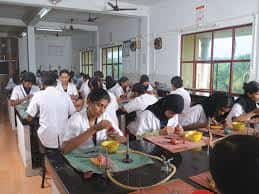
OfficialInstitute of Dental Sciences, Bareilly is a other institution in Bareilly, established in 2002. Institute of Dental Sciences (IDS), Bareilly is a private dental institution established in 2006 in Uttar Pradesh. The institute is affiliated with Uttar Pradesh University of Medical Sciences (UPUMS), Saifai, and is recognized by the Dental Council of India (DCI). Located in the suburban area of Sitapura near Bareilly, a city in the Rohilkhand region of UP, IDS Bareilly has emerged as a credible dental education provider in North India, particularly serving aspirants from Uttar Pradesh, Uttarakhand, and neighboring regions. ACACDEMIC PROGRAMS & STRUCTURE: The institute offers comprehensive dental education across undergraduate, postgraduate, and diploma levels. The flagship Bachelor of Dental Surgery (BDS) is a 4-year full-time program with an intake of 60 students per batch, accepting students primarily through NEET. The Master of Dental Surgery (MDS) programs span 3 years and are available in major disciplines including Prosthodontics, Conservative Dentistry & Endodontics, Periodontics, Orthodontics, Oral & Maxillofacial Surgery, and Public Health Dentistry. The institute also offers a 2-year Diploma in Dental Hygiene program. Teaching is conducted primarily in English with an integrated clinical approach from the second year onwards. INFRASTRUCTURE & CLINICAL FACILITIES: The campus houses a dedicated dental hospital with 50+ operatory chairs equipped with modern dental equipment including digital imaging systems, autoclave sterilization units, and digital radiography. The institution maintains separate pre-clinical (phantom head) labs, clinical simulation centers, and operative dentistry labs. The attached dental hospital operates under supervision of qualified faculty and provides real patient care exposure. Library holds approximately 5,000+ dental textbooks and journals with online access to dental databases. The campus includes a well-equipped research laboratory, seminar halls with audio-visual aids, and computer-aided learning facilities. ACACDEMIC REPUTATION & FACULTY: The faculty comprises BDS graduates from reputed institutions with many holding MDS qualifications from recognized universities. Approximately 45-50% of faculty members possess doctoral degrees (MDS). The teaching methodology combines traditional lectures with problem-based learning, case discussions, and hands-on clinical training. Faculty engagement in research is moderate, with several publications in national dental journals. However, international research collaborations remain limited. CLINICAL EXPOSURE & INTERNSHIP: Students begin clinical practice from the second year with rotating exposure to Prosthodontics, Conservative Dentistry, Periodontics, Oral Surgery, and Pediatric Dentistry. The final two years are heavily clinical-oriented with compulsory participation in community health camps, school oral health programs, and disaster management drills. Final-year students complete mandatory internship rotations in various departments before graduation. Patient flow is adequate, particularly for routine restorative and prosthodontic procedures, though access to complex surgical cases may be limited compared to larger institutions. PLACEMENT & CAREER PROSPECTS: Graduates pursue diverse career paths: approximately 35-40% establish private dental practices (own clinics), 25-30% join corporate dental chains (Apollo, Max Health), 15-20% work as associate dentists in established practices, 10-15% pursue higher education (MDS/PhD), and remaining pursue government positions or NGO work. The institute has informal placement connections with dental chains but lacks structured corporate placement infrastructure seen in larger metro-based institutions. Most BDS graduates secure employment or establish practices within 3-6 months of graduation. POSTGRADUATE EDUCATION: The MDS programs are recognized by DCI and UGC with an intake of 4-6 students per discipline. Postgraduate training emphasizes clinical competence and research output. Thesis completion is mandatory with average time-to-completion around 3 years. MDS graduates find employment in academic institutions, private dental hospitals, or establish specialized practices. Selection for MDS is primarily merit-based through written entrance examinations followed by interviews. WHAT MAKES THIS INSTITUTION UNIQUE: 1. Strong emphasis on preventive and public health dentistry with annual community outreach programs 2. Affordable dental treatment for patients, making it accessible to lower-income population while providing student training 3. Moderate class sizes (60 BDS students) enabling better faculty-student mentorship compared to larger institutions 4. Integrated curriculum linking preclinical theory with clinical practice from second year 5. Dedicated research lab with faculty mentorship for student research projects 6. Location in Bareilly provides learning opportunities in a semi-urban setting with diverse patient demographics CHALLENGES & HONEST ASSESSMENT: - Limited international accreditation (no IADR membership or international research network) - Research publication rate is lower than premier dental colleges like AIIMS Delhi or Manipal - Postgraduate course selections limited to core disciplines; no specialized courses like implantology, cosmetic dentistry, or oral implantology as full programs - Campus infrastructure, while adequate, lacks the modern amenities of Delhi/Mumbai-based private dental colleges - Alumni network is growing but not as extensive as century-old institutions - State government recognition for opening new branches has been conditional, indicating regulatory scrutiny - Limited access to advanced diagnostic equipment (CBCT availability limited) - Teaching hospital patient flow depends on local awareness campaigns WHO SHOULD APPLY: - NEET-qualified students aspiring for affordable dental education in North India - Students from UP/Uttarakhand seeking to study close to home - Those comfortable with semi-urban campus setting with strong clinical training focus - Students intending to practice dentistry in tier-2/tier-3 Indian cities - Candidates preferring hands-on clinical experience over pure academics - Those with limited financial resources (private institution with moderate fees) - Students interested in dental public health and community dentistry NOT SUITABLE FOR: - Students seeking world-class research infrastructure - Those prioritizing cosmopolitan campus life and metro amenities - Candidates with very high NEET scores (better options like AMC, Christian Medical College available) - Students specifically targeting government sector postings requiring government dental college degree - International students (limited accommodation and visa processing support)