Indukaka Ipcowala College of Pharmacy
About
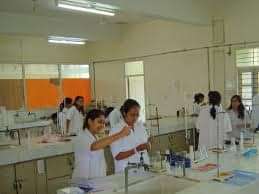
OfficialIndukaka Ipcowala College of Pharmacy is a other institution in Anand, established in 2006. Indukaka Ipcowala College of Pharmacy (IICP) is a premier pharmaceutical institution located in Anand, Gujarat, established in 2007 by the Ipcowala Educational Trust. The college is situated in the pharmaceutical hub of Gujarat, strategically positioned near Vallabh Vidyanagar, a region with significant pharmaceutical industry presence. IICP operates under the governance of the Pharmacy Council of India and is affiliated with Gujarat Technological University (GTU). The institution was founded with a mission to produce competent pharmacy professionals capable of addressing healthcare challenges in India and globally. Over the past 16+ years, IICP has established itself as a quality-focused pharmacy college with consistent accreditation by NAAC and recognition from the Indian Pharmacopoeia Commission. The college's location in Anand—the dairy capital of India and a pharmaceutical manufacturing hub—provides unique exposure to both dairy science and pharmaceutical manufacturing. Academic Programs: IICP offers a comprehensive range of pharmacy programs including B.Pharm (4-year), M.Pharm in Pharmaceutics, Pharmacology, Pharmaceutical Analysis, and Pharmacognosy (2-year), and Ph.D. programs. The B.Pharm program follows the GTU curriculum with 120 students per batch, while M.Pharm programs have intakes of 20-25 students per specialization. The college has recently started research-focused doctoral programs with limited seats. The curriculum emphasizes both theoretical knowledge and practical skills, with mandatory internships in pharmaceutical industries, hospitals, and community pharmacy settings. Research and Innovation: IICP maintains several research laboratories equipped for pharmaceutical research, natural product chemistry, and formulation development. The college has established research centers focusing on herbal pharmaceuticals, drug delivery systems, and analytical method development. Faculty members actively publish in peer-reviewed journals and have received grants from government bodies. However, research output, while respectable, is not at the level of top-tier institutions like Delhi University or Jamia Hamdard. The college collaborates with nearby pharmaceutical industries for applied research and has partnerships with organizations like CSIR-IIIM Jammu for specialized research programs. Campus Infrastructure: The campus spans 8.5 acres with dedicated facilities including modern laboratory blocks, a 50-bed hostels, library with 15,000+ books and online database access, cafeteria, sports complex, and Wi-Fi enabled campus. The college has invested significantly in quality control and pharmaceutical analysis labs with HPLC, UV-Vis spectrophotometers, and dissolution testing equipment. However, infrastructure maintenance has occasionally been an issue, with some lab equipment requiring timely upgrades. The library, while adequate, is not as extensive as major university libraries. Placement Record: IICP maintains a strong placement record with 92-95% placements for B.Pharm graduates and 88-90% for M.Pharm students. Average salary packages range from 3.5-5.5 LPA for B.Pharm and 5-7 LPA for M.Pharm. Top recruiters include major pharmaceutical companies like Cipla, Lupin, Sun Pharma, Dr. Reddy's, and Cadila Healthcare. Additionally, graduates pursue higher studies abroad or in premier Indian institutions. Placement support begins from second year with industry interactions and guest lectures. However, the college could be more aggressive in developing alumni networks for career mentoring. Campus Culture and Student Life: IICP fosters a vibrant student community with active clubs focusing on pharmaceutical research, debate, cultural activities, and sports. Annual events include Pharma-Tech (technical fest), Pharma-Cultural (cultural fest), and sports tournaments. Student societies are well-organized, though participation rates vary. The college hosts industry experts, regulatory officials, and renowned researchers as guest speakers. Ragging is strictly prohibited and monitored effectively. The student council actively organizes awareness drives on healthcare and sanitation. However, social life is somewhat constrained compared to larger university campuses, and off-campus entertainment options in immediate vicinity are limited. Notable Alumni: The college has produced graduates who are now employed at major pharmaceutical companies, pursuing doctorates at reputed institutions, and establishing startups in pharmacy-related sectors. Several alumni work in regulatory affairs at CDSCO and FDA. While IICP doesn't have prominent celebrity alumni like older institutions, its alumni network is growing and increasingly active in mentoring current students. Who Should Apply: IICP is ideal for students passionate about pharmacy with genuine interest in pharmaceutical sciences, drug development, or clinical pharmacy. Students seeking strong industry connections and practical exposure in pharmaceutical manufacturing should consider IICP given its location in a pharmaceutical hub. The college suits students who prefer focused, specialized education over broader interdisciplinary learning. It's particularly suitable for those planning to pursue PG studies or research in pharmacy. However, students seeking world-class research facilities, extensive international collaborations, or a cosmopolitan campus experience might find limitations. The college is best for students from middle to upper-middle-class backgrounds given fee structure and for those serious about career in pharmaceutical industries or clinical practice. Unique Strengths: Proximity to pharmaceutical industries enabling industrial training and networking; strong emphasis on quality control and analytical skills; good placement record; affordable compared to private pharmacy colleges in metros; dedicated faculty with industry experience; regular industry interactions and guest lectures; well-structured curriculum aligned with industry needs. Limitations: Limited research funding compared to central universities; smaller alumni network compared to older institutions; campus size limits some recreational facilities; limited international student exchange programs; lab equipment requires occasional upgrades; relatively new institution (established 2007) compared to institutions with 50+ year histories.