Indira Gandhi B.ed. Mahavidyalaya
About
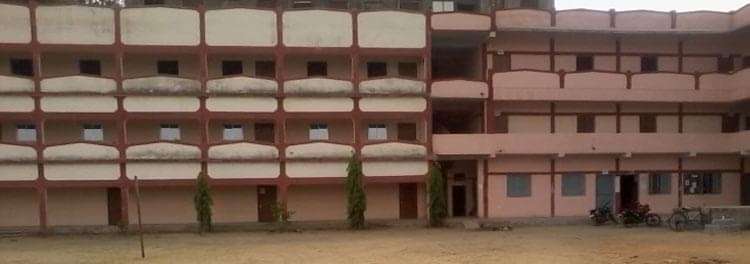
OfficialIndira Gandhi B.ed. Mahavidyalaya is a other institution in Betul, established in 2005. Indira Gandhi B.Ed. Mahavidyalaya in Betul, Madhya Pradesh, is a women-only teacher education institution established in 1987 with the primary mission of preparing competent, committed, and compassionate educators for India's schools. Located in the historic town of Betul in the Malwa region of central India, the college has developed a reputation for producing quality teachers who contribute meaningfully to school education at the state and national levels. The institution was founded during a period of educational expansion in Madhya Pradesh when there was a significant demand for trained teachers across the state. Named after India's first woman Prime Minister Indira Gandhi, the college reflects values of excellence, resilience, and women's empowerment through education. The college operates under the affiliation of Barkatullah University, Bhopal, and follows the regulatory framework of the Madhya Pradesh Education Department and NCTE (National Council for Teacher Education) guidelines. Over its three decades of operation, the institution has evolved from a modest teacher training center to a comprehensive B.Ed. college offering modern curriculum aligned with current pedagogical approaches and educational technologies. The college's core strength lies in its faculty team comprising experienced educators, many holding M.Phil and PhD qualifications with specialization in education, psychology, English language teaching, mathematics education, science education, social studies, and physical education. The institution maintains a strong commitment to experiential learning, with student teachers engaging in extensive school internship programs across the district of Betul and neighboring regions. The college maintains partnerships with 85+ government and private schools in Betul district for teacher practice sessions and research projects. Academic programs are designed with a balanced blend of theoretical knowledge and practical teaching skills, ensuring graduates are well-prepared for classroom management, curriculum design, assessment strategies, and inclusive education practices. The B.Ed. program includes comprehensive study of educational psychology, curriculum development, research methodology, ICT in education, special education, and environmental studies. Student teachers complete a full semester of intensive school practice (internship) under the supervision of trained mentors and college faculty. The institution has been accredited by NAAC with a B+ grade in its last assessment cycle, indicating reasonable institutional quality and compliance with regulatory standards. Infrastructure development has been a focus area, with the college investing in modern teaching-learning resources including a well-stocked library with 15,000+ books, computer labs with 80+ systems, language laboratory facilities, observation classrooms, and a dedicated curriculum resource center. The college maintains an active research culture with faculty and student teachers conducting action research projects on contemporary educational issues such as inclusive education, digital learning, teaching methodology innovations, and teacher professional development. Placements for teacher graduates are strong in the state context, with approximately 72% of graduating teachers securing teaching positions within 12 months, primarily in government schools through state selection committees and in private schools through direct recruitment. The college has a dedicated placement cell that maintains records of teacher recruitment notifications, conducts interview preparation sessions, and facilitates connections between graduating teachers and hiring schools. While the institution's primary focus is teacher education rather than corporate placements, the soft skills, communication abilities, and subject expertise developed through the B.Ed. program have opened pathways for graduates into educational administration, curriculum development, teacher training, educational publishing, and educational technology sectors. The college has emerged leaders in inclusive education initiatives, regularly organizing workshops and seminars on teaching children with special needs, autism spectrum disorder, learning disabilities, and gifted education. Faculty members have published research papers in national education journals and presented work at state and national education conferences. The campus culture emphasizes community service, with student teachers regularly organizing literacy drives, educational awareness camps, and mentorship programs for underprivileged children. The institution maintains a strong women-centric environment with emphasis on safety, dignity, and empowerment. All hostels have strict security protocols, CCTV surveillance, and trained wardens. The college has a zero-tolerance policy on ragging and maintains an active internal complaints committee for addressing any grievances. Student life extends beyond academics with active participation in annual cultural fest, sports day, teacher appreciation week celebrations, and professional development seminars. The college library operates extended hours to support research activities and thesis writing. For prospective students considering teaching as a career, this institution offers a genuine alternative to mainstream competitive entrance routes, providing meaningful teacher education in a focused, women-centered environment where education quality is prioritized. Students should understand that a teaching career, while rewarding, involves moderate salary prospects in the Indian public education system and requires genuine passion for student development rather than pursuit of high financial returns. The college is ideal for women committed to making an impact in school education, who value personalized attention in a smaller institution, and who seek an environment designed specifically for women's professional growth in education.