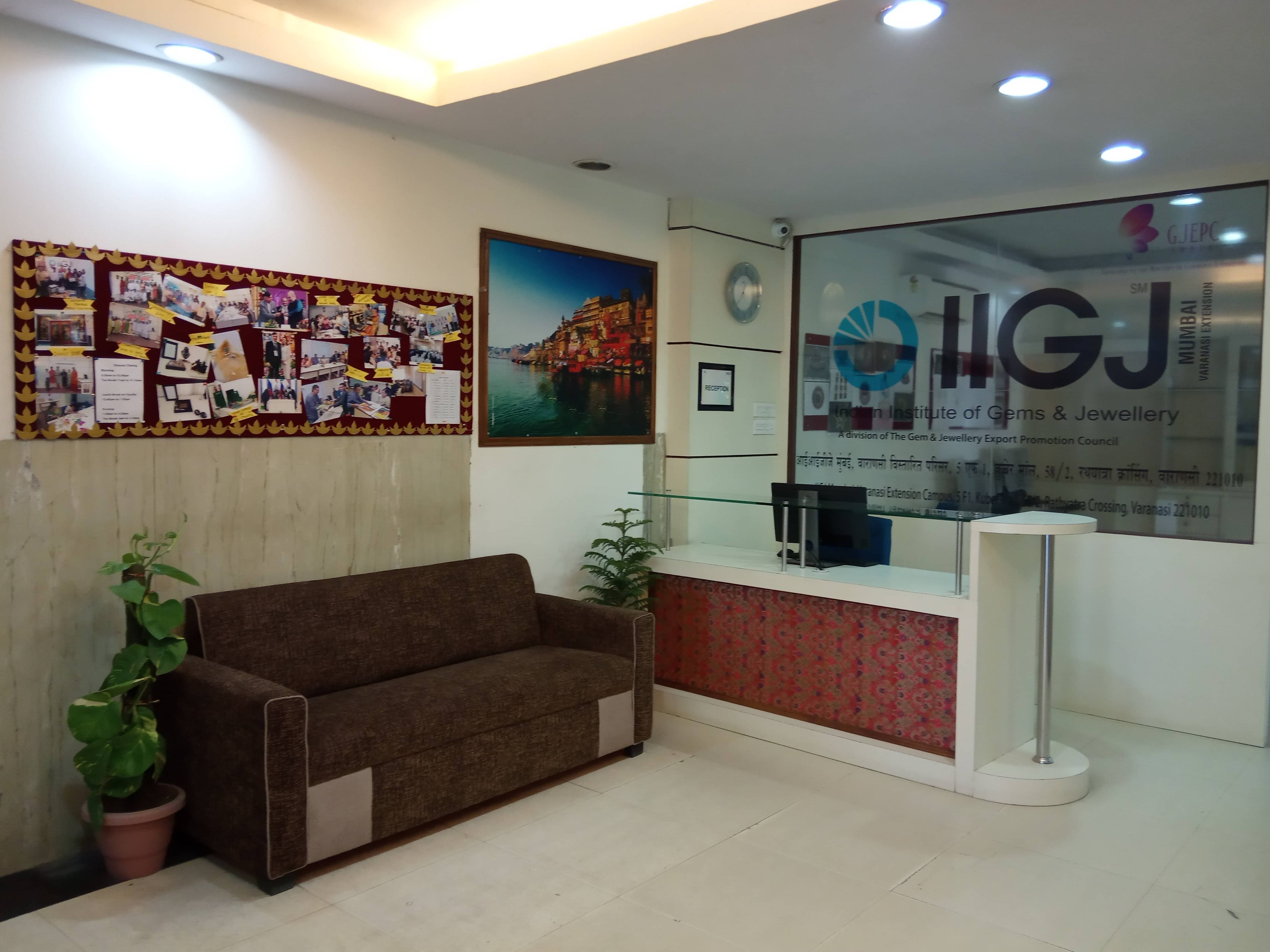
Indian Institute of Gems & Jewellery, Varanasi
About
OfficialIndian Institute of Gems & Jewellery, Varanasi is a other institution in Varanasi, established in 2016. The Indian Institute of Gems & Jewellery (IIGJ), Varanasi, was established in 2006 as an autonomous institution under the Ministry of Commerce & Industry, Government of India. Located in one of India's most historically significant cities—a UNESCO World Heritage site and the cultural heart of Hindu India—IIGJ represents India's commitment to developing world-class expertise in the gems and jewellery sector, which constitutes a major component of India's export economy. The institute emerged from the Government of India's recognition that the jewellery industry, worth over $40 billion globally with India controlling approximately 20% of the market, required specialized educational institutions to develop skilled human capital. Varanasi was strategically chosen not just for its cultural significance but also its proximity to emerging diamond cutting hubs and its historical connection to precious stones and ornamental craftsmanship. IIGJ offers a unique educational ecosystem that blends theoretical knowledge with hands-on practical training. The institution operates under a specialized mandate to develop professionals for the entire jewellery value chain—from gemology and jewellery design to production management, quality assurance, and export marketing. This niche focus distinguishes it sharply from general engineering or arts colleges. The academic programs span multiple levels: undergraduate diplomas in Jewellery Design & Manufacture, Gemology, and Diamond Grading; postgraduate diplomas in advanced jewellery design, gemstone valuation, and jewellery business management; and specialized certificate programs in specific crafts. The undergraduate intake is approximately 120 students annually across all programs. Academic strength lies in its faculty expertise drawn from industry practitioners, certified gemologists, and design professionals. Many faculty members maintain active connections with international gemological bodies (GIA, CIBJO) and conduct research on Indian gemstone characterization, sustainable jewellery manufacturing, and traditional Indian design preservation. The institute has established partnerships with major jewellery houses like Titan, Senco Gold, Tanishq, and international bodies including the Gemological Institute of America (GIA). Research initiatives focus on gemstone authentication, sustainable jewellery production practices, revitalizing traditional Indian jewellery techniques, and market analysis of global jewellery trends. The institute maintains gemological laboratories equipped with advanced testing equipment including spectroscopes, refractive index meters, and UV-Vis spectrometers. Placement outcomes have been consistently strong, with 2023-24 showing 94% placement rates. Graduates secure positions across the jewellery retail sector (Titan, Tanishq, Malabar Gold, PC Jewellers), international gemological firms, custom jewellery houses, export houses, and government agencies like the Gems and Jewellery Export Promotion Council (GJEPC). Average starting salaries range from ₹320,000 to ₹480,000 annually, with specialized roles in gemology and design commanding higher packages. Campus infrastructure reflects its specialized nature: dedicated jewellery workshops equipped with traditional and modern manufacturing tools, a gemological laboratory with international-standard testing equipment, a well-stocked library with trade publications and technical journals, computer-aided design (CAD) labs, and exhibition spaces showcasing student and faculty work. The campus, while smaller than conventional engineering colleges, is meticulously maintained and conducive to focused learning. Campus life is relatively subdued compared to large universities, reflecting the institute's specialized mission and smaller cohort size. The student body comprises 300-400 undergraduates and postgraduates, creating an intimate learning environment. There are technical clubs focused on jewellery design trends, gemology research, and entrepreneurship ventures. Annual fests include Gemsicle (gemology competition), JewelCraft (design showcase), and industry seminars. Varanasi itself offers significant cultural immersion. The city is home to traditional jewellery artisans, particularly in the Bangla Bazaar and Vishwanath Lane areas. Students gain exposure to centuries-old jewellery-making techniques, materials sourcing practices, and the living craft traditions of the region. This geographic positioning provides unparalleled contextual learning unavailable at other institutions. Hostel accommodation is provided, though limited. The institute maintains separate hostel blocks for men and women with basic but adequate facilities. Due to smaller capacity, approximately 60% of residential students secure on-campus housing; others find affordable accommodation in local PGs around Lanka and Varanasi. Notable limitations include: the institute's niche focus, while a strength, limits campus diversity and extra-curricular opportunities compared to multi-disciplinary universities. It is not suited for students seeking general engineering or broad career optionality. The city of Varanasi, while culturally rich, offers limited modern amenities, entertainment options, and job markets outside the jewellery sector. Internet infrastructure, while adequate, is inconsistent. Social life revolves around institute activities rather than a bustling student city ecosystem. Who should apply? This institute is ideal for students passionate about jewellery, gemology, design, or materials science; those interested in export-oriented businesses; students seeking close mentorship and industry-direct placements; those wanting to preserve and innovate traditional crafts; and individuals comfortable with niche specialization over generalist credentials. It is NOT suitable for students uncertain about career direction, those prioritizing campus size and social diversity, or those seeking maximum career flexibility. IIGJ's unique value proposition is producing industry-ready specialists in a high-value sector with consistent employment and international opportunity, combined with preservation of India's rich jewellery heritage. Graduates typically have clearer career trajectories and stronger industry recognition than general institution graduates in equivalent roles.