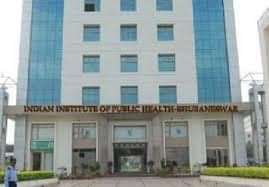
Indian Institute of Public Health, Delhi
About
OfficialIndian Institute of Public Health, Delhi is a other institution in Delhi, established in 2006. The Indian Institute of Public Health, Delhi (IIPH Delhi) was established in 1996 as an autonomous institution dedicated to advancing public health education, training, and research in India. It operates under the administrative umbrella of the Public Health Foundation of India (PHFI) and represents India's flagship institution for public health education, competing at international standards with institutions like Johns Hopkins and London School of Hygiene and Tropical Medicine. The institute was founded with a mission to address India's critical public health challenges through evidence-based education and research, particularly focusing on infectious diseases, maternal and child health, epidemiology, and health systems management. IIPH Delhi is strategically located in Delhi's institutional area, providing access to major health research centers, government health ministries, and international health organizations. The institute offers undergraduate, postgraduate, and doctoral programs primarily in public health disciplines with a strong emphasis on applied research and field-based learning. Academic programs include Master of Public Health (MPH), Master of Science in Epidemiology, Master of Science in Health Systems Management, Bachelor of Science in Public Health, Diploma in Public Health, and various postgraduate certificates in specialized areas like HIV/AIDS management, tuberculosis control, maternal health, and immunization. The curriculum is designed with strong collaboration from practicing epidemiologists, program managers from government health departments (Ministry of Health and Family Welfare), and international public health organizations. Students engage extensively with real-world health problems through field placements in government health facilities, NGOs, and research centers across India. The institute operates a strong epidemiology and research center that conducts surveillance studies, implementation research, and health systems evaluation projects funded by organizations like Gates Foundation, WHO, and various bilateral agencies. IIPH Delhi has established itself as a premier research institution with multiple ongoing projects addressing India's health challenges including infectious disease surveillance, maternal mortality reduction, adolescent health, and health program evaluation. The faculty comprises public health professionals with advanced degrees from reputable institutions worldwide, many with extensive field experience in India's health system. Notable strengths include the strong epidemiology curriculum recognized internationally, field placement opportunities with government programs, interdisciplinary research environment, and deep understanding of India's complex health systems. The campus facilitates interaction between students, faculty, and visiting scholars from international public health institutions. Unique aspects include the strong focus on India's health system realities, access to government health data and programs through ministry collaborations, and emphasis on translating research findings into policy and practice. Alumni have gone on to lead positions in WHO, Gates Foundation, government health departments, leading NGOs like CARE India and World Vision, and academic institutions. The institute maintains a strong international reputation through peer-reviewed publications, conference presentations, and faculty exchanges with leading global institutions. However, prospective students should note that IIPH Delhi is specialized in public health rather than clinical medicine, so it attracts students interested in health systems, policy, epidemiology, and population health rather than direct patient care. The admission process is competitive, with preference given to candidates with relevant background or demonstrated interest in public health. The institute is particularly suited for students aspiring to work in public health organizations, government health programs, international health agencies, research institutions, and health policy sectors. Students should expect rigorous academic engagement, substantial field work requirements, and focus on India-specific health challenges. The institute's location in Delhi provides excellent access to government health institutions, health policy centers, and international organizations operating in India's health sector.