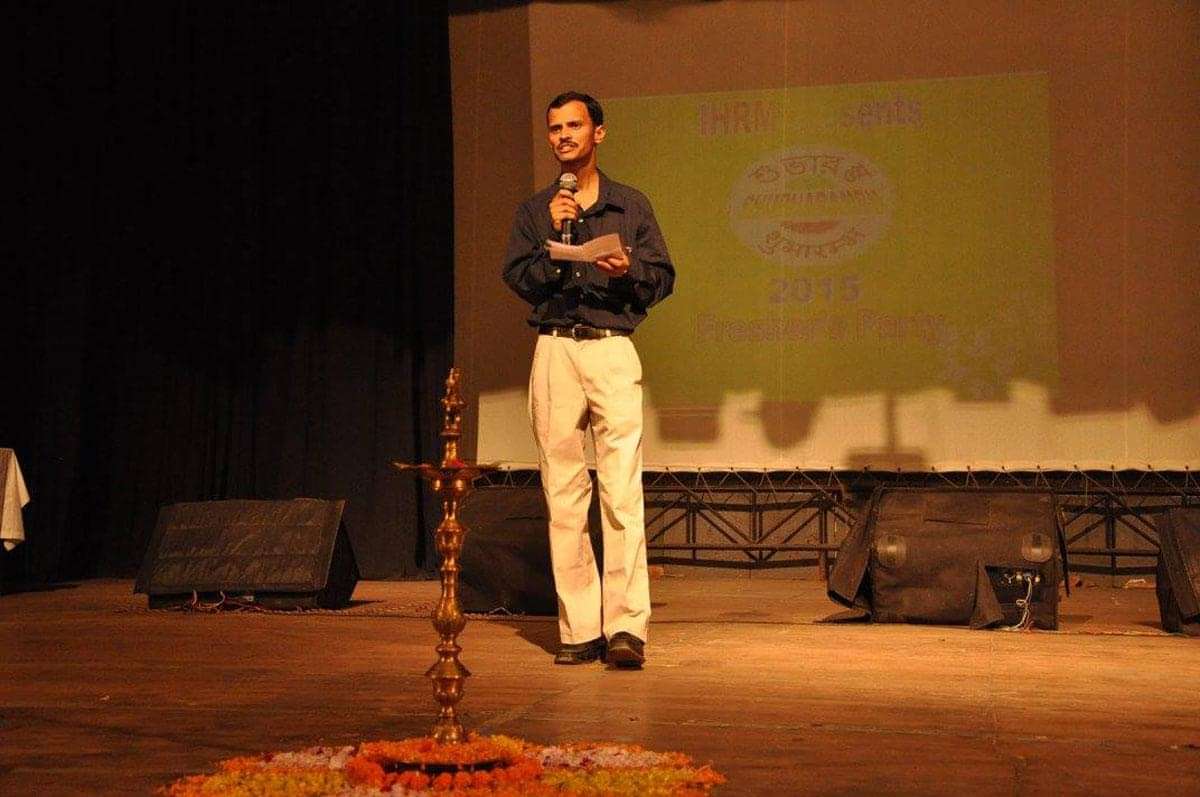
Institute of Hotel and Restaurant Management
About
OfficialInstitute of Hotel and Restaurant Management is a other institution in Kolkata. The Institute of Hotel and Restaurant Management (IHRM), Kolkata, established in 1967, is one of India's premier institutions dedicated exclusively to hospitality education. Operating under the aegis of the West Bengal Hotel & Restaurant Association and with government recognition, IHRM Kolkata has trained over 8,000 hospitality professionals who now hold significant positions in global hotel chains, cruise lines, restaurants, and tourism enterprises. The institute occupies a heritage building on AJC Bose Road in central Kolkata, a location steeped in educational significance and cultural history. Unlike generalist universities that offer hospitality as one of many streams, IHRM is mono-disciplinary by design, allowing laser-focused curriculum development, industry partnerships, and placement infrastructure entirely aligned with hospitality careers. The institution offers programs spanning undergraduate (3-year Bachelor's degrees), postgraduate (2-year Master's degrees), and specialized diploma courses. Core academic disciplines include Hotel Management, Restaurant Management, Bakery & Patisserie, Food & Beverage Service, Front Office Operations, Housekeeping Management, and Culinary Arts. The curriculum blends theoretical knowledge with extensive hands-on training—students spend approximately 40% of their learning hours in live kitchen labs, stewarding sections, front desk simulations, and banquet planning exercises. Faculty comprises a mix of academicians with hospitality PhDs and experienced practitioners from major hotel chains, ensuring industry-relevant pedagogy. The institute maintains formal tie-ups with Oberoi Group, ITC Hotels, Taj Hotels, Marriott International, Hyatt, and international bodies like the International Hotel & Restaurant Association (IH&RA), facilitating student industrial training, curriculum co-design, and direct placement pipelines. On-campus facilities include fully equipped commercial kitchens with French, Indian, Asian, and pastry sections; a 120-seat training restaurant open to public; a professional stewarding lab; front office simulation suites; and housekeeping practice rooms. The library houses over 12,000 volumes, including rare hospitality manuscripts and industry journals. Notably, IHRM Kolkata has pioneered several 'firsts' in Indian hospitality education: the first to introduce molecular gastronomy, the first to establish a dedicated cruise ship training module, and among the earliest to integrate sustainability and ethical sourcing into F&B curriculum. Placements historically exceed 95%, with median first-year salaries in the 5.5-7.5 LPA range for graduates, and significantly higher for those pursuing postgraduate degrees or securing positions in international hotel chains. The institute has produced notable alumni including executive chefs, hotel general managers, food & beverage directors, and hospitality entrepreneurs who lead operations across five-star chains globally. Student life centers on a vibrant hospitality community where networking, industry mentorship, and collaborative learning are paramount. Annual events include the inter-college Chef's Cup culinary competition, the Sommelier Challenge, and a bi-annual Hospitality Expo where industry leaders recruit. The campus culture emphasizes professionalism, discipline, and passion for the hospitality craft; students are expected to maintain dress codes, punctuality, and service etiquette standards that mirror real hotel operations. IHRM is ideal for candidates passionate about food, service, business operations, and customer-facing roles; those seeking careers in luxury hospitality, food entrepreneurship, hotel management, or culinary arts; and those preferring a specialized, industry-immersive education over a generalist university experience. The institute is particularly suited for students who demonstrate creativity, physical stamina for kitchen work, interpersonal skills, and genuine interest in hospitality rather than those treating it as a fallback option. Challenges include the physically demanding nature of kitchen and service training, significant investment of time in practical work, and the reality that hospitality careers often demand irregular hours, night shifts, and weekend work—realities candidly emphasized during admission counseling.