IES College of Engineering
About
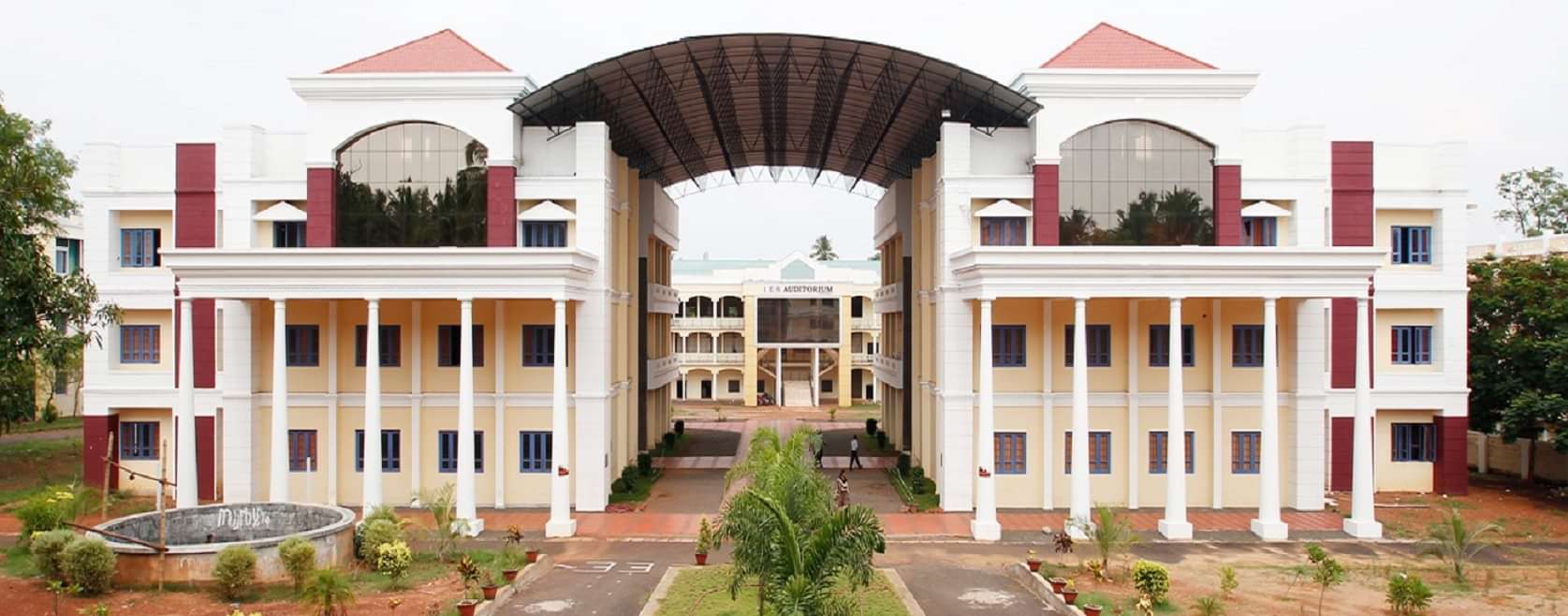
OfficialIES College of Engineering is a other institution in Thrissur, established in 2012. IES College of Engineering, located in Thrissur district of Kerala, was established in 2000 as a private engineering institution approved by the All India Council for Technical Education (AICTE). The college is run by the Indian Educational Society, a non-profit organization with deep roots in Kerala's educational landscape. Spread across 22 acres of lush greenery in the suburban locality of Chelakara, approximately 30 km from Thrissur city center, the campus offers a serene environment conducive to learning while maintaining reasonable proximity to urban amenities. The institution has evolved significantly over two decades, transitioning from a regional engineering college to a multi-disciplinary technical university with comprehensive undergraduate and postgraduate programs. Currently, it offers engineering programs in nine disciplines including Civil, Mechanical, Electrical & Electronics, Electronics & Communication, Computer Science, Information Technology, Chemical, Automobile, and Biomedical Engineering. Each program spans four years of full-time study with a blend of theoretical knowledge and practical application. The college also runs postgraduate programs (M.Tech) in specialized areas and recently introduced doctoral research programs in select disciplines. Academically, IES has carved a niche in practical engineering education with emphasis on hands-on learning. The curriculum aligns with both AICTE and Kerala University standards, incorporating industry feedback and emerging technological trends. The institution houses well-equipped laboratories for each discipline, including separate CAD labs, manufacturing labs, electrical machines labs, and communication labs. The computer science and IT departments particularly benefit from strong industry partnerships with companies like Infosys, TCS, and Wipro, who occasionally conduct workshops and guest lectures. Placement performance has been historically strong for a private engineering college in Kerala. The 2023-24 academic year saw approximately 85-90% of eligible students placed across all branches, with average salary packages ranging from 5.5-7.2 LPA depending on the branch. Computer Science and IT branches consistently achieve higher placement rates (95%+) with median packages around 8-9 LPA, while core engineering branches like Civil and Mechanical see placement rates around 75-80% with median packages of 5-6 LPA. Top recruiters include major IT companies (Infosys, Accenture, Wipro, Cognizant), manufacturing firms (Bosch, Bajaj), and consulting organizations (EY, Deloitte). The campus infrastructure, though continuously developing, reflects the college's growth trajectory. The main academic block houses classrooms with multimedia facilities, departments organized by discipline, and dedicated faculty offices. The central library maintains a collection of over 50,000 books with digital access to academic journals and databases. Internet connectivity across campus is reliable at approximately 40-50 Mbps for both academic and residential areas. The college has recently invested in upgrading its research facilities, establishing dedicated research centers for renewable energy, sustainable construction, and biomedical engineering. Hostel facilities are available for both male and female students, accommodating approximately 1200 residents. Boys' hostels consist of 2-4 sharing rooms while girls' hostels offer 2-3 sharing arrangements. Hostel infrastructure is functional but modest—basic amenities include attached bathrooms, study tables, and 24/7 water supply. Internet connectivity in hostels is separate from campus network with variable speed (15-25 Mbps). Mess facilities operate independently of hostels with separate male and female messes, serving predominantly South Indian cuisine with limited North Indian and global options. Monthly mess charges range from 2500-3200 INR. Ragging has been strictly prohibited with zero-tolerance policy, though occasional minor incidents have been reported in early years of the institute's operation, but none in recent years. Campus life at IES is moderately vibrant with over 40 registered student clubs and societies spanning technical, cultural, and sports domains. Annual technical fest 'Techfest' held in January attracts participants from nearby colleges. The cultural fest 'Megafest' in October showcases talent in music, dance, and drama. Sports activities include cricket, football, basketball, volleyball, badminton, and athletics with dedicated sports complex featuring multiple grounds. However, compared to premier institutions, the campus social infrastructure is less developed—fewer premium cafes, limited entertainment options, and smaller scale events. Faculty strength stands at approximately 185 members across disciplines, with about 35-40% holding PhDs. Faculty research is active particularly in civil engineering (sustainable materials), mechanical engineering (thermal systems), and computer science (machine learning applications). Collaboration with industry for sponsored research projects exists but remains limited compared to tier-1 institutions. Faculty-student interaction is generally positive with accessible office hours and mentorship, though some students report that administrative workload occasionally impacts research supervision quality. The college has secured NAAC accreditation with 'B' grade (valid until 2028) and maintains AICTE approval for all programs. Several engineering programs have NBA accreditation in civil, mechanical, and electrical branches. These certifications ensure that the academic standards meet national benchmarks and degrees are recognized across India. Notable alumni include engineers in multinational companies (Google, Microsoft, Amazon), entrepreneurs who founded tech startups, and professionals in core sectors like oil & gas (Reliance, Shell) and power generation. The alumni network, while growing, is younger compared to older established colleges, with most alumni in early to mid-career stages. IES College is recommended for students seeking a balanced engineering education with reasonable placement prospects in a peaceful, green campus environment. The college suits aspirants who prefer a structured, discipline-oriented atmosphere over high-voltage competitive campus culture. It's particularly suitable for students from Kerala and neighboring states already accustomed to the regional context. However, students expecting constant networking with Fortune 500 companies, cutting-edge research infrastructure, or a metropolitan college experience might find it limiting. The college is strongest for Civil and Mechanical engineering from placement and infrastructure perspectives, and for Computer Science/IT in terms of salary outcomes. Students with entrepreneurial inclinations may find limited incubation support compared to tier-1 institutions, though the college is working to improve this through a recently established entrepreneurship cell. The institutional culture emphasizes discipline, punctuality, and ethics. Attendance is strictly monitored (minimum 75% required). This can be positive for students who thrive with structure but restrictive for those preferring academic flexibility. The administration is generally responsive but bureaucratic processes can be slow. Key strengths include affordable fees compared to other private engineering colleges in Kerala, peaceful learning environment, reasonable placement outcomes, and good faculty approachability. Key limitations include distance from major city amenities, limited research funding, moderate fame outside Kerala, and lack of specialized programs in emerging fields like AI/ML or data science (though introductory courses are offered).