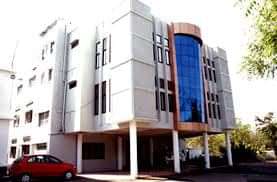
HKES Homoeopathic Medical College & Hospital
About
OfficialHKES Homoeopathic Medical College & Hospital is a other institution in Gulbarga, established in 1980. HKES Homoeopathic Medical College & Hospital, established in 2008, is a private institution in Gulbarga (now officially Kalaburagi), Karnataka, dedicated to homoeopathic medical education and research. The college is affiliated with the Dr. M.V. Shetty University of Health Sciences and operates under the governance of the Homoeopathic Knowledge Enhancement Society. It represents a significant contribution to alternative medicine education in rural-suburban Karnataka. The institution was founded with the mission to bridge the gap in homoeopathic medical education in the Deccan plateau region, serving both local and pan-India student populations interested in traditional healing systems. The college operates under strict regulatory compliance with the Central Council for Indian Medicine (CCIM) and the National Commission for Homoeopathy (NCH), ensuring standardized curriculum and educational quality across all programs. HKES offers a comprehensive Bachelor of Homoeopathic Medicine and Surgery (BHMS) degree—the flagship program spanning 5.5 years (4.5 years academic + 1 year internship)—with an intake capacity of 40 students annually. Additionally, the institution provides postgraduate programs including Master of Philosophy (M.Phil) in various specializations and research-oriented doctoral programs designed to advance homoeopathic science. The college has recently introduced skill-based certificate programs in clinical case management and pharmacology to enhance practical competencies. The attached hospital operates as a teaching hospital with 60 beds, providing students with real-world clinical exposure across departments including pediatrics, obstetrics, surgery, medicine, and psychiatry. Research at HKES focuses on validating homoeopathic principles through evidence-based methodology, examining drug proving protocols, clinical efficacy studies, and integration with modern diagnostic techniques. Faculty members are engaged in national and international collaborative research, with publications in peer-reviewed homoeopathic and integrative medicine journals. The college has established partnerships with organizations like the Indian Institute of Homoeopathic Research (IIHR), New Delhi, and international homoeopathic institutes for student exchange and research collaboration. Campus infrastructure includes a dedicated pharmacy laboratory with manufacturing facilities for homoeopathic preparations (licensed for institutional teaching purposes), modern diagnostic equipment including digital radiography, pathology laboratories, and herbal gardens cultivating medicinal plants relevant to homoeopathic materia medica. The library holds approximately 8,000 volumes including rare homoeopathic texts, journals, and digital databases. Computing facilities provide access to e-resources and online journals through institutional subscriptions. Campus life centers on academic rigor, with regular seminars, clinical case discussions, and mentorship programs. The college organizes annual homoeopathic conferences and workshops featuring national experts, fostering intellectual engagement beyond classroom learning. Student clubs include case study groups, research clubs, and cultural societies. Hostel facilities are available separately for men and women with modest but functional accommodation; the hostel mess provides vegetarian and non-vegetarian options. The campus maintains a strong focus on ethical practice—codes of professional conduct and ethical patient care are integrated throughout the curriculum. Notable alumni include practicing homoeopathic physicians across India, hospital administrators, and researchers contributing to homoeopathic literature. Placement outcomes are institution-specific: graduates primarily establish independent homoeopathic clinics (60-65%), join multi-specialty hospitals (15-20%), or pursue government positions in homoeopathic departments (10-15%). The college maintains active alumni networks supporting professional development and practice establishment. Safety and campus culture emphasize professionalism and respect for traditional healing philosophies while maintaining scientific rigor. Women students comprise approximately 55% of the student body, reflecting the field's gender balance. The college is particularly suited for students genuinely interested in homoeopathy, alternative medicine practitioners looking to upgrade qualifications, and those seeking career flexibility through independent practice. Prospective students must understand that homoeopathic medicine operates differently from allopathic medicine; strong foundational knowledge of homoeopathic principles, materia medica, and philosophy is essential. The college is NOT recommended for those seeking conventional allopathic medical practice or those viewing homoeopathy skeptically; commitment to the discipline is crucial for success and satisfaction. The institution's rural-suburban location offers affordability and focused academic environment but limited urban amenities compared to metro-based colleges. The college has maintained consistent regulatory compliance with CCIM accreditation since establishment and regularly participates in quality assurance reviews.