Gudlavalleru Engineering College
About
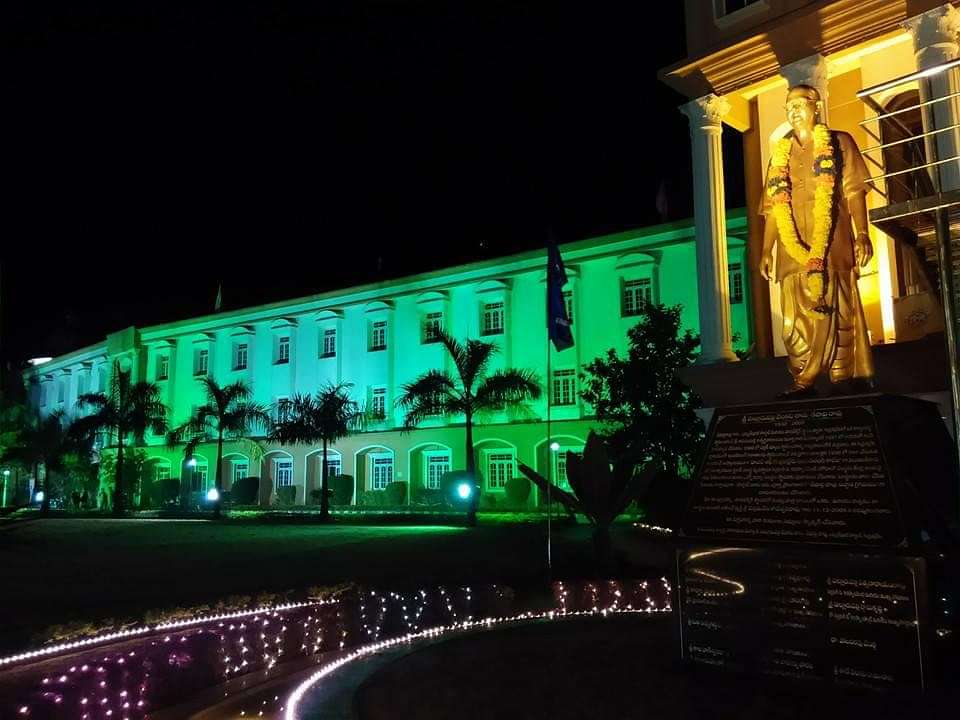
OfficialGudlavalleru Engineering College is a other institution in Krishna, established in 1998. Gudlavalleru Engineering College (GEC) was established in 1980 in Krishna district, Andhra Pradesh, as one of the early engineering colleges in the region. It has evolved from a small institution to a significant engineering hub with 2,850+ students across undergraduate, postgraduate, and research programs. The college is housed in the Seshadri Rao Knowledge Village campus, which spans 65 acres in a semi-rural setting approximately 35 km from Vijayawada city. The college offers undergraduate programs in 13 engineering disciplines including Computer Science, Electronics & Communication, Mechanical, Civil, Electrical, Chemical, Metallurgical, and Petroleum Engineering, alongside newer programs like Data Science and Artificial Intelligence. At the postgraduate level, GEC provides M.Tech programs in 8 specializations including Power Systems, VLSI Design, Software Engineering, and CAD/CAM. The institution also offers PhD research programs across multiple engineering domains. The college has maintained a strong focus on bridging academic theory with industry practice through continuous curriculum updates aligned with NEP 2020. Academically, GEC is known for its consistent NAAC accreditation (B+ grade as of 2023) and NBA accreditation for multiple engineering programs. The curriculum emphasizes hands-on learning through well-equipped laboratories, project-based learning, and industry collaborations. The college has established partnerships with companies like Infosys, TCS, Cognizant, and Wipro for skill development and internships. Faculty research is concentrated in areas such as renewable energy, embedded systems, advanced materials, and water resource management, reflecting regional development priorities. Placement performance has been a key strength, with 2023-24 data showing 92-94% placement rates across branches. The median package for engineering graduates stands at approximately 4.2-4.8 LPA, with top performers securing 12-15 LPA in technology roles. Core engineering and manufacturing sectors remain strong recruiters, alongside IT services companies. Around 15-20% of graduates pursue higher education domestically or internationally. Campus infrastructure includes a 24-hour computer center, modern laboratories for each discipline, a well-stocked central library with 80,000+ volumes and digital resources, sports complex with cricket ground and indoor facilities, and separate hostels for boys and girls. The campus has been developed with sustainability in mind, featuring rainwater harvesting and solar panels. Internet connectivity across the 65-acre campus is reliable with 50+ Mbps speeds in academic blocks and hostels. The college experiences significant student engagement through technical clubs (IEEE, CSI, SAE, IEI chapters), cultural societies, and annual fests like Technovision (technical) and Utsavam (cultural). Sports participation is moderate, with students competing in cricket, badminton, kabaddi, and athletics at state and national levels. The student body is diverse, with approximately 60% from Andhra Pradesh and 40% from other states and a few international students from neighboring countries. However, prospective students should be aware that GEC is located in a semi-rural setting, limiting immediate access to urban entertainment, shopping, and dining options. While Vijayawada is only 35 km away, daily commuting is impractical. The monsoon season (June-September) brings heavy rainfall and occasional waterlogging on campus. The teaching quality, while generally competent, is uneven across departments—some faculty members are highly engaged researchers, while others focus primarily on classroom delivery with limited publication records. Hostel accommodation is adequate but basic, without luxury amenities. The nearby Krishna city offers limited infrastructure for off-campus accommodation, making on-campus living the default option. GEC is ideal for students seeking a balanced engineering education in a disciplined, structured environment with strong industry connections and placement support. It suits students who value academic rigor over campus glamour, those from middle-income backgrounds (fees are significantly lower than tier-1 private colleges), and those preparing for core engineering careers. The college is particularly strong for mechanical, civil, and electrical branches due to industry demand in manufacturing and power sectors. However, students expecting a cosmopolitan college experience with nightlife, shopping malls, and urban culture should look at institutions in tier-1 cities like Bangalore or Hyderabad instead.