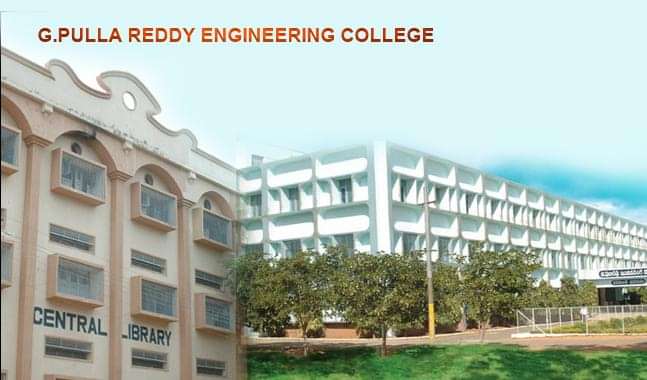
G.Pulla Reddy Engineering College
About
OfficialG.Pulla Reddy Engineering College is a other institution in Kurnool. G. Pulla Reddy Engineering College (GPREC) was established in 1992 and is named after the founder, G. Pulla Reddy, a prominent industrialist and philanthropist from Andhra Pradesh. Located in Kurnool, approximately 240 km from Hyderabad, the college has grown to become one of the significant engineering institutions in the Rayalaseema region of Andhra Pradesh. The college is affiliated with Jawaharlal Nehru Technological University (JNTU), Anantapur and is approved by the All India Council for Technical Education (AICTE). GPREC operates under the G. Pulla Reddy Educational Trust and has established itself as a teaching-focused institution with emphasis on practical engineering education. The college operates from a sprawling 45-acre suburban campus with modern infrastructure. Academically, GPREC offers 8 undergraduate engineering programs across Computer Science and Engineering, Electronics and Communication Engineering, Mechanical Engineering, Civil Engineering, Electrical and Electronics Engineering, Chemical Engineering, and Information Technology. The college also offers postgraduate programs in select disciplines including M.Tech in Computer Science, Electronics, and Mechanical Engineering. The undergraduate intake capacity is approximately 600-700 students annually across all engineering branches. The institution has NBA accreditation for select engineering programs and maintains NAAC accreditation. Research facilities are developing with dedicated labs for each engineering discipline, though research output and publications remain modest compared to tier-1 institutions. The campus hosts various student clubs and societies covering technical, cultural, and sports categories. Annual technical fests like Technophilia and cultural events provide platforms for student engagement. Placement outcomes have shown steady improvement over recent years, with 2023-24 recording approximately 82-85% placement rates. Top recruiters include IT companies, manufacturing firms, and financial services organizations. The college is particularly strong in producing competent engineers for IT and core engineering sectors. Notable aspects include strong ties with the local industrial base in Kurnool and surrounding regions, active alumni network in automotive and textile industries, and increasing focus on skill development and entrepreneurship. The college infrastructure includes well-equipped computer labs, electronics labs, mechanical workshops, civil engineering testing facilities, and a dedicated innovation/incubation center. Library facilities are adequate with both physical and digital resources. Campus amenities include hostel accommodations (separate for boys and girls), mess facilities, sports complex, health center, and WiFi connectivity across campus. The college environment is generally safe and welcoming with no significant ragging incidents reported in recent years. Kurnool, being a tier-3 city with moderate living costs and slower pace of life, provides a focused academic environment but limited entertainment and social options compared to metro cities. The city is approximately 240 km from Hyderabad, making weekend travel feasible but not very convenient. GPREC is ideal for students seeking a focused engineering education in a relatively quiet town without the distractions of metro cities, those interested in strong practical training in core engineering disciplines, students from Andhra Pradesh seeking affordable quality education, and those willing to work hard in smaller batches with more faculty interaction. The college is less suitable for students seeking vibrant metro campus life, those dependent on continuous corporate networking events, students requiring cutting-edge research facilities, or those preferring higher diversity in student population. The college culture emphasizes academic rigor, practical skills, regional connections, and ethical engineering practice. With honest assessment, limitations include lower research output and citations compared to top-tier institutions, limited industry collaborations compared to IITs and top NITs, smaller alumni network compared to metro-based colleges, and geographic remoteness from major tech hubs affecting student exposure to latest industry trends and networking opportunities.