Govinda Dasa College
About
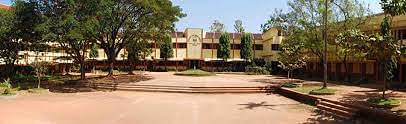
OfficialGovinda Dasa College is a other institution in Mangalore, established in 1967. Govinda Dasa College (GDC), established in 1973 by the Sri Govinda Dasa Education Trust, is one of Mangalore's most respected autonomous colleges. Located in the peaceful Jnana Shanti campus area, it has evolved from a modest beginnings to become a comprehensive institution offering undergraduate and postgraduate programs across sciences, commerce, arts, and professional disciplines. The college is named after the 16th-century saint-poet Govinda Dasa, reflecting its foundational commitment to value-based education blended with modern academic rigor. With an autonomous status granted by UGC in 2010, GDC has substantial academic freedom in curriculum design, examination, and evaluation. The institution operates under a trust that emphasizes holistic development, combining Krishna-centric values with contemporary education practices. The college serves approximately 2,850 students across 45 acres of relatively spacious campus in suburban Mangalore, providing a balanced environment between urban accessibility and serene learning atmosphere. GDC's academic portfolio includes BA, BSc, BCom, BBA, and professional programs. At the postgraduate level, it offers MA, MSc, MCom, and MBA programs with specializations catering to evolving job market demands. The college has developed particular strengths in commerce education, with its BCom and MBA programs attracting quality students from across Karnataka and neighboring states. The science faculty maintains active research groups in organic chemistry, microbiology, botany, and physics, with several faculty members publishing in national and international journals. The arts stream emphasizes critical thinking and cultural studies, benefiting from Mangalore's cosmopolitan and historically significant setting. GDC's placement record has been consistently strong, particularly for commerce and BBA graduates who secure roles in banking, finance, and retail sectors. Average placements hover around 75-80% for undergraduate programs and 85%+ for postgraduate professional programs like MBA. The median salary for MBA graduates has reached 6.5-7.2 lakhs per annum, with top firms like Infosys, TCS, Accenture, ICICI Bank, HDFC Bank, and various multinational retail chains recruiting regularly. The college has invested significantly in infrastructure improvements over the past decade, including an upgraded library with digital resources, modern science laboratories, and a newly constructed administrative block. However, physical sports facilities remain somewhat limited compared to premier institutions, though the college maintains partnerships with nearby sports complexes. The campus WiFi infrastructure is functional but occasionally experiences connectivity issues during peak hours. For women students, the college maintains a committed stance on safety, with separate hostel facilities, women's cell support, and regular security audits. Notable alumni include successful entrepreneurs in retail and technology, senior banking professionals, accomplished journalists, and civil servants, though the college hasn't produced internationally renowned figures in any single domain. The college culture emphasizes academic excellence, ethical values, and community service. Annual events include Vidyaranga (academic fest), Yuva Utsav (cultural fest), and sports meets that encourage student participation. Student clubs span technical domains (coding, innovation), cultural activities (dance, drama, music), sports competitions, and social entrepreneurship initiatives. The overall campus environment is described by current students as intellectually stimulating yet somewhat traditional in outlook, with reasonable freedom for student expression but institutional preference for discipline-oriented conduct. GDC is ideal for students seeking strong academics in commerce, management, or sciences with value-based education emphasis, who are comfortable in a semi-urban setting and prefer a college with established reputation over cutting-edge infrastructure. It suits first-generation college students, working professionals pursuing part-time degrees (limited programs), and those seeking affordability without compromising educational quality. The institution may not be optimal for students seeking world-class research facilities, highly contemporary teaching methodologies, or those coming from ultra-modern institution backgrounds. The college's proximity to Mangalore's port, IT firms, and growing business sector provides practical networking opportunities for students interested in maritime commerce, logistics, and business sectors.