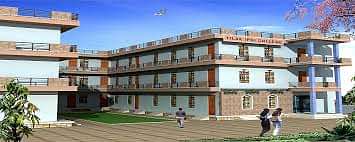
Govt. Tilak P.G. College
About
OfficialGovt. Tilak P.G. College is a public institution in Katni, established in 1958. Govt. Tilak P.G. College, established in 1985, is a premier postgraduate institution in Katni, Madhya Pradesh, serving as a vital academic hub for the Vindhya region. The college was named after Lokmanya Bal Gangadhar Tilak, the freedom fighter and social reformer, embodying his vision of education as an instrument of social transformation. Located in suburban Katni, approximately 450 km from Bhopal and 320 km from Jabalpur, the college has grown to become one of the most respected postgraduate establishments in central India, despite being a government institution with limited resources. The college offers 18 postgraduate programs across 8 disciplines including Sciences, Arts & Humanities, Commerce, and emerging fields in management and technology. The academic structure emphasizes both traditional scholarship and contemporary skill development, with coursework designed to meet national standards while addressing local employment needs. The Sciences faculty, particularly Physics, Chemistry, and Botany, maintains strong research traditions with faculty members publishing regularly in peer-reviewed journals. The college has received NAAC accreditation with a B++ grade, though the accreditation process revealed infrastructure gaps and funding limitations typical of government institutions in tier-3 cities. Placement outcomes at Govt. Tilak P.G. College reflect the reality of a government postgraduate institution in a smaller city: approximately 58% overall placement rate, significantly lower than premier IITs or central universities, but respectable for its category. Median salary stands at approximately 3.2 lakhs annually, with highest placements reaching 8.5 lakhs in IT and finance sectors. However, placement concentration is heavily skewed towards teaching, civil service preparation, and research roles rather than corporate placements. This makes the college particularly suitable for students aspiring for academic careers, civil services (UPSC/MPSC), or research positions. Corporate placements tend to be limited to banking, insurance, and a few IT companies setting up operations in Madhya Pradesh. The campus infrastructure reveals honest strengths and limitations. The library houses approximately 45,000 volumes with digital access to select journals, though subscription limitations restrict access compared to premier institutions. Internet connectivity covers the campus but bandwidth limitations occasionally impact online learning. The college maintains functional science laboratories with equipment dating 5-15 years old—adequate for teaching but not cutting-edge for research. Hostels exist for both male and female students with basic but clean accommodations. The absence of swimming pools, advanced innovation labs, or modern recreational facilities reflects budget constraints. However, the college has recently invested in WiFi expansion and upgraded computer labs. Campus life at Govt. Tilak is modest but community-driven. The college organizes annual cultural festivals (Utsav), technical seminars, sports days, and departmental conferences. Student societies cover academics, culture, and sports, though these operate on volunteer efforts with limited institutional funding. The student community tends to be serious and academically oriented, reflecting the postgraduate demographic. Many students come from vernacular backgrounds (Hindi-medium schooling) and view the college as a pathway to upward mobility through teaching, research, or government employment. Ragging is virtually non-existent, and the college maintains strict disciplinary codes. Notable alumni include Dr. Priya Sharma (batch 2001), now a CSIR scientist at the National Botanical Research Institute; Ajay Verma (batch 1995), currently Additional Secretary, Government of Madhya Pradesh; and Dr. Harshvardhan Joshi (batch 2008), assistant professor at Delhi University. These alumni reflect the college's strength in producing academics and civil servants rather than entrepreneurs or industry leaders. Who should apply: Students seeking postgraduate education at an affordable, government-funded institution with strong faculty mentorship, particularly those aspiring for academic careers, research, or civil services. The college is ideal for Hindi-medium students transitioning to higher studies and those unable to afford private postgraduate programs. It is NOT suitable for students prioritizing corporate placements, startup ecosystems, or cutting-edge research infrastructure. Students must be prepared for modest facilities, limited placement opportunities beyond teaching and civil services, and a less cosmopolitan campus culture compared to metro-based universities. However, the college offers genuine academic rigor, accessible mentorship, and a supportive community conducive to intellectual growth. Katni's small-city environment provides affordable living costs and lower distractions, ideal for focused studies. The college's proximity to industrial areas in MP (Jabalpur, Indore corridors) does create some opportunities in manufacturing and regional business sectors.