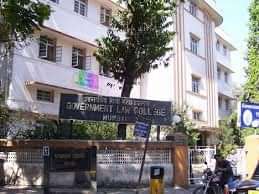
Government Law College, Tirunelveli
About
OfficialGovernment Law College, Tirunelveli is a public institution in Tirunelveli, established in 1996. Government Law College, Tirunelveli (GLCT) is one of Tamil Nadu's oldest law institutions, established in 1959 to serve the legal education needs of South Tamil Nadu. Located in the historic city of Tirunelveli, the college is housed in a 5.5-acre campus in a semi-urban setting that balances academic focus with reasonable access to city amenities. The institution operates under the Tamilnadu Dr. Ambedkar Law University and is affiliatedwith multiple bar councils across India. Academic Strength: GLCT offers both undergraduate and postgraduate law programs across general law, constitutional law, corporate law, and intellectual property law specializations. The 3-year BA.LLB program is the flagship undergraduate offering, with strong foundational training in criminal, civil, and constitutional law. The college's 5-year integrated BA.LLB program attracts students directly from 12th grade, though the undergraduate intake is limited to maintain quality. The 2-year LLM program offers specializations in Criminal Law, Corporate Law, Constitutional Law, and Intellectual Property Rights, designed for working professionals and post-graduation aspirants. The college has recently introduced certificate programs in Alternative Dispute Resolution and Legal Research Methods, reflecting emerging practice areas. Faculty Profile: The faculty consists of 42 members, with approximately 65% holding PhD qualifications or equivalent research credentials. Faculty members are predominantly advocates with 10-25 years of practice experience, bringing practical courtroom insights into classroom teaching. Several faculty members have published in national and state law journals, though research output is modest compared to top-tier law colleges. The faculty-to-student ratio of 1:20 is reasonable and allows for mentorship. However, the college faces the challenge of faculty retention, with senior advocates occasionally departing to establish practice or pursue positions in other institutions. Research and Innovation: GLCT has established a Law Research Cell that facilitates student research projects, particularly in emerging areas like cyber law, environmental law, and human rights. The college library houses over 12,000 law books, legal journals, and digitized databases including SCC Online and Indian Kanoon. However, access to premium legal databases like Lexis-Nexis and WestLaw is limited, which constrains advanced research. The college has MoUs with the Tirunelveli District Court and several legal aid organizations, enabling clinical legal education opportunities. Students participate in legal literacy programs in rural Tamil Nadu through the National Service Scheme (NSS). Placements and Career Outcomes: The placement record is solid for a government law college in South India, with 78% placement achieved in 2023-24. The median salary for placed graduates is 4.2 lakhs per annum, with highest placements reaching 12 lakhs in corporate law firms. Top recruiters include firms like Rajah & Associates, Luthra & Luthra, and AZB & Partners, alongside Tier-1 Indian law firms and government legal positions. However, the college lacks the aggressive placement machinery of premier institutions like NALSAR Hyderabad or NUJS Kolkata. Many graduates pursue law practice (60%), legal services (25%), and corporate law (15%). The college has a dedicated placement cell that conducts mock interviews and maintains alumni networks. Campus Life and Infrastructure: The campus is compact but well-maintained, with a seminar library, moot court, computer lab, and student common room. Internet connectivity across campus is reliable at 15 Mbps, with dedicated wifi in the library and classrooms. The college doesn't have on-campus hostel facilities (a significant limitation for out-station students), forcing students to arrange private accommodation in the city. The college organizes an annual legal symposium, debating competitions, and cultural programs. Student clubs include Legal Aid Cell, Moot Court Committee, and Environment Law Forum. However, the overall campus culture feels primarily academic-focused without the vibrant student life seen in larger metropolitan law colleges. City Context and Student Experience: Tirunelveli is a historic judicial hub in South Tamil Nadu, home to a district court and multiple legal institutions. The city offers a balanced environment—smaller than metro cities but with sufficient professional legal opportunities. The cost of living is significantly lower than cities like Delhi, Bangalore, or Mumbai, making it accessible for middle-income students. The city has a mix of traditional Tamil culture and moderate modernization. For students preferring smaller cities with deep judicial heritage and affordable living, this is advantageous; for those seeking vibrant campus life and metro exposure, it may feel limiting. The college's location near Tirunelveli High School Road ensures decent public transport connectivity. Who Should Apply: This college is ideal for students interested in law who want quality education at affordable costs in a judiciary-rich environment. It suits students from Tamil Nadu and neighboring states seeking government law education without the intense competition of top-tier institutions. Students should be prepared for a rigorous, primarily classroom-focused academic culture. The college is not ideal for those seeking premier corporate placements or vibrant metropolitan campus life. Working professionals looking for part-time law education will find limited flexibility here, as the college runs full-time programs only. Unique Strengths: The college's proximity to district courts provides clinical legal experience opportunities, its alumni network includes respected advocates and judges, and the city's lower cost of living allows students to focus on academics without financial strain. The faculty's combination of academic credentials and practice experience provides practical grounding. Limitations to Consider: No on-campus hostels, limited advanced research infrastructure, modest placement salaries compared to metros, limited international collaboration, and a quieter campus culture. The college is a government institution, so administrative processes can be slower than private institutions.