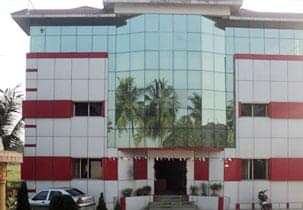
Global Institute of Management Science
About
OfficialGlobal Institute of Management Science is a other institution in Bengaluru, established in 1999. Global Institute of Management Science (GIMS), established in 2005, is a private management and engineering college located in Marathahalli, Bangalore. Founded with the vision of creating globally competent professionals, GIMS has evolved into one of Bangalore's mid-tier business and engineering institutions. The college operates under the All India Council for Technical Education (AICTE) approval and is recognized by the University of Karnataka for its academic programs. Unlike tier-1 institutions like IIMs or top NITs, GIMS positions itself as an accessible alternative for students seeking quality management and engineering education at a reasonable price point, though with corresponding trade-offs in brand value and placement outcomes. The institution offers a diverse portfolio of undergraduate and postgraduate programs spanning Management, Engineering, and emerging disciplines. Its MBA program is the flagship offering, attracting students primarily through direct admission and entrance exams like CAT, though a significant portion enrolls through merit-based selection. The engineering programs (B.Tech in CSE, ECE, Mechanical, Civil) maintain modest intake capacities of 60-120 per branch, serving students who score in the moderate JEE Main and state-level engineering entrance ranges. The college has developed moderate strength in certain management consulting and IT placement corridors, with average salary packages ranging from 5-8 LPA for management graduates and 4-7 LPA for engineers. GIMS maintains partnerships with various IT and consulting firms, though placement outcomes depend heavily on individual performance rather than college prestige. The campus, situated in the rapidly developing Marathahalli area of Bangalore, provides a suburban setting with improving infrastructure. Recent investments in academic facilities, computer labs, and seminar halls reflect institutional growth, though compared to premium private universities, the infrastructure remains functional rather than state-of-the-art. The college has undertaken NAAC accreditation (last assessed with B+ grade in 2019), indicating baseline educational quality compliance but not exceptional academic standing. Faculty comprises a mix of full-time doctoral holders and industry practitioners, with an average PhD percentage around 35-40%, lower than top institutions but adequate for management education. Research output remains modest, with limited published journals and industry-sponsored projects, positioning GIMS primarily as a teaching-focused institution rather than a research powerhouse. Campus life is characterized by typical management college dynamics: a reasonable number of student clubs (entrepreneurship, case-study, cultural), annual management fest 'NEXUS' attracting regional participation, and sports facilities catering to mainstream interests. The co-curricular environment is moderate—neither particularly vibrant nor restrictive. Hostel facilities accommodate approximately 800 students across six residential blocks; quality is adequate with basic amenities, though accommodation costs are relatively economical for a private institution (₹12,000-18,000 monthly for shared occupancy). The Marathahalli location provides decent connectivity to central Bangalore via metro and bus services, though the suburban setting requires 30-45 minutes to reach downtown tech hubs by public transport. Safety standards are reported as average to good, with women's hostels featuring separate accommodations and security measures, though incident reporting transparency is limited. GIMS is strategically positioned for students who: (1) narrowly missed admission to tier-1 management programs but seek immediate employment-focused education, (2) are willing to trade brand prestige for cost-effectiveness and practical skill development, (3) aim for mid-tier consulting or IT roles rather than elite investment banking, (4) prefer a suburban Bangalore location accessible to tech parks. The institution's competitive advantage lies in affordability, reasonable placement outcomes in mid-market sectors, industry partnerships with IT service providers, and a practical curriculum design. Conversely, significant limitations include: modest alumni network influence compared to older premier institutions, limited international accreditations (no EQUIS or AMBA), lower median starting salaries versus top 20 business schools, weaker recruitment from Tier-1 consulting firms (McKinsey, Boston Consulting Group rarely visit), and moderate research contribution to management literature. Student feedback indicates satisfaction with teaching quality and industry connections at the course level, but frustration with 'pay-to-place' perceptions, limited scholarship opportunities, and comparatively lower salary outcomes. The college has been responsive to introducing specializations in fintech, data analytics, and sustainability, reflecting industry trends, but execution lags behind dedicated centers in premier institutions. Overall, GIMS represents a practical choice for aspirants seeking quality business or engineering education outside the elite tier, with clear understanding of its positioning in India's fragmented higher education hierarchy.