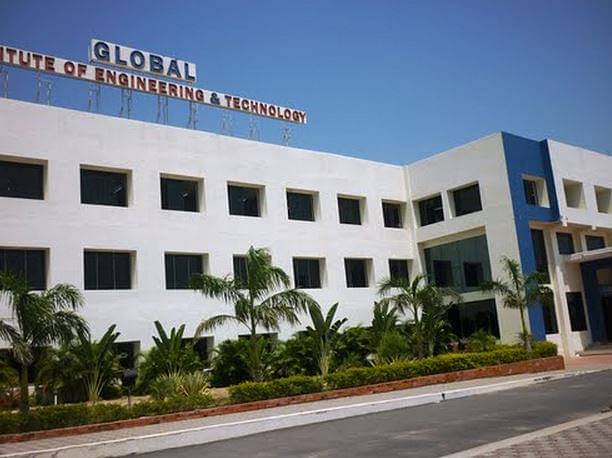
Global Group Of Institutes
About
OfficialGlobal Group Of Institutes is a other institution in Rangareddi, established in 2013. Global Group of Institutes (GGI), established in 2006, is a private engineering and management institution located in Rangareddy, Andhra Pradesh, approximately 25 kilometers from Hyderabad's city center. Founded with the vision of providing quality technical education with industry relevance, GGI operates as a self-financing institution approved by AICTE and affiliated with Jawaharlal Nehru Technological University (JNTU), Hyderabad. The institute has evolved from a modest beginning to become a recognized name in Telangana's private engineering education landscape, though it operates in the mid-tier segment rather than the elite tier. The campus is situated in a semi-urban area characterized by agricultural surroundings and developing infrastructure, providing a relatively peaceful environment for studies while maintaining reasonable connectivity to Hyderabad. GGI's academic structure is primarily built around engineering disciplines with a focus on BTech programs in Civil, Mechanical, Electrical, Electronics & Communication, and Computer Science Engineering. The institute has introduced specialized programs in emerging domains like IoT, AI/ML, and Data Science as electives and specializations. Management education is offered through MBA programs with specializations in Finance, HR, and Marketing. The faculty strength stands at approximately 185 members, with a significant portion holding postgraduate qualifications, though PhD percentages remain modest at around 18-22%, which is below the standards of top-tier institutions. Academic infrastructure includes laboratories equipped with industry-standard software and equipment, though some facilities require regular upgrades to match tier-1 institution standards. The library system houses approximately 18,000 books and provides access to selected digital databases and journals, though the collection is smaller compared to established institutions. GGI emphasizes industry connectivity through internship programs, guest lectures, and collaborations with companies like TCS, Infosys, Wipro, and various manufacturing firms. The institute has established placement cells that actively engage with recruiters, resulting in placement records that are respectable for the tier but not exceptional. The average placement percentage hovers around 72-78%, with a median salary in the 4.2-4.8 LPA range for engineering graduates, which is competitive for private non-elite institutions but below tier-1 standards. The highest salaries recorded are typically in the 12-15 LPA range for top performers in Computer Science and Electronics branches. Campus life at GGI reflects a typical private engineering college environment with moderate student engagement in extracurricular activities. The institute organizes an annual technical fest called 'TechVision' and cultural programs, though participation and budget allocation are modest compared to larger institutions. Student clubs exist for robotics, coding, entrepreneurship, and cultural activities, but these operate with limited resources and faculty mentorship. Hostel facilities are available for students, with separate blocks for male and female students, accommodating approximately 60% of the student population. The hostel amenities are basic to average, with 2-3 students per room, attached bathrooms in some blocks, and common areas for recreation. Mess facilities provide vegetarian and non-vegetarian food options with quality being average—commonly rated as adequate but not exceptional by students. Sports facilities include a volleyball court, badminton courts, and a small gymnasium, though the institute lacks swimming pool and modern indoor sports facilities. Internet connectivity across campus is available but inconsistent in some areas, with better speeds in academic buildings than hostels. Wi-Fi coverage extends to most campus areas but experiences drops during peak hours. The student body comprises primarily first-generation engineers and management aspirants from middle-class backgrounds, seeking quality education at an affordable premium price point. The gender ratio has been improving, currently standing around 25-30% female students, which is slightly above the average for engineering colleges in the region. Notable alumni include graduates who have established themselves in IT services, manufacturing sectors, and a few successful entrepreneurs in the technology startup ecosystem. The institute's strength lies in its affordability compared to similarly positioned institutions, practical industry exposure, and a relatively supportive learning environment for students who are self-motivated. However, significant limitations include lack of world-class research infrastructure, limited international collaborations, modest funding for innovation projects, and lower industry brand perception compared to IITs, NITs, and tier-1 private institutions. The campus environment is somewhat isolated from major urban centers, which can impact student access to internships and networking events, though proximity to Hyderabad does provide some advantages. GGI is most suitable for students seeking a structured engineering or management education with reasonable placement prospects at a moderate fee structure, particularly those from lower to middle-income backgrounds. It is ideal for students who prefer a smaller, more manageable institution size over large campuses and who can leverage the nearby IT hub of Hyderabad for internships and job opportunities. The college is NOT recommended for students seeking elite institutions for higher academic research, those planning immediate higher studies at top universities, or those with significant financial resources seeking premium campus experiences. Students should be realistic about brand value and should focus on self-learning and industry engagement to maximize outcomes from their education at GGI.