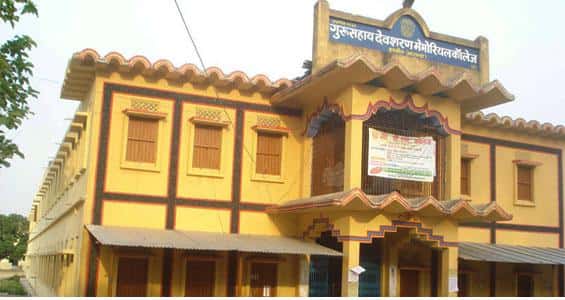
GDM College Harnaut
About
OfficialGDM College Harnaut is a other institution in Nalanda, established in 1979. GDM College (Ganesh Datta Memorial College) is located in Harnaut, a small town in Nalanda District, Bihar. Established in 1961, the college was founded with the objective of providing quality higher education to students from rural and semi-urban backgrounds in Bihar. The college is named after Ganesh Datta, a prominent social reformer and educationist who believed in democratizing education across India. Over six decades, GDM College has evolved from a modest arts institution to a multi-disciplinary college offering undergraduate and postgraduate programs across sciences, commerce, arts, and professional fields. The college holds affiliation with Nalanda University and is recognized by the UGC. The institution serves primarily students from Nalanda, Patna, and surrounding districts, making it a crucial educational hub for rural Bihar. The campus is situated in a serene, agricultural setting approximately 60 kilometers from Patna, the state capital. GDM College maintains a strong commitment to accessibility and affordability, with a significant portion of its student body coming from economically disadvantaged backgrounds. The college has been instrumental in first-generation learner education in Bihar, with many graduates becoming teachers, administrators, and civil servants. Academic programs at GDM include BA, BSc, BCom at undergraduate level and MA, MSc, MCom at postgraduate level. The institution also offers Bachelor of Education (B.Ed) program, which is particularly renowned in the region for training quality teachers. The college has recently expanded into professional education with diploma programs in vocational trades. Faculty members are predominantly doctorate-qualified, with many having teaching experience of 15-25 years. The college emphasizes a balanced approach between traditional classroom learning and contemporary teaching methodologies, though digital infrastructure remains a developing area. Research at GDM is primarily concentrated in education, social sciences, chemistry, and biology, with limited formal research centers compared to metropolitan institutions. The college has established partnerships with NGOs and educational bodies for community outreach programs. Campus life revolves around academics, with regular seminars, lectures, and workshops conducted by visiting scholars and professionals. The college has active student clubs focused on cultural activities, literary pursuits, and social awareness. Annual events include the college day celebration and departmental seminars. The library is well-stocked with traditional books and reference materials, though digital resources are limited. Internet connectivity on campus is adequate but inconsistent during peak hours. Hostel facilities are basic but functional, with separate accommodations for boys and girls. The mess provides vegetarian and non-vegetarian food options, though quality is variable. Physical education and sports are encouraged, with basic facilities for volleyball, badminton, and cricket. The college has a small health center and basic first-aid facilities. GDM College's placement record reflects its position as a teaching and research-focused institution rather than a corporate recruitment hub. Many graduates enter government service, education sector, and social work. For engineering and pure technical disciplines, the college does not offer these programs, limiting placement opportunities in high-paying IT and core sectors. The college's alumni network includes educators, government officials, social workers, and entrepreneurs, though most are established regionally rather than nationally. Students who excel academically often pursue higher studies at universities across India and abroad. The institution is particularly valued for its affordable education, social inclusivity, and the personal attention students receive. However, prospective students must be aware that GDM College is best suited for those seeking liberal arts education, teacher training, and foundational knowledge in sciences and commerce—not for career-focused technical or management education. The rural location, while peaceful, means limited access to specialized coaching, internship opportunities, and corporate exposure compared to urban institutions. The college infrastructure, while improving, remains modest by national standards. Internet speed and digital learning resources are areas needing significant investment. The college excels in creating a family-like environment and developing socially conscious graduates; it is less suited for those targeting top-tier corporate careers or highly specialized technical training.